
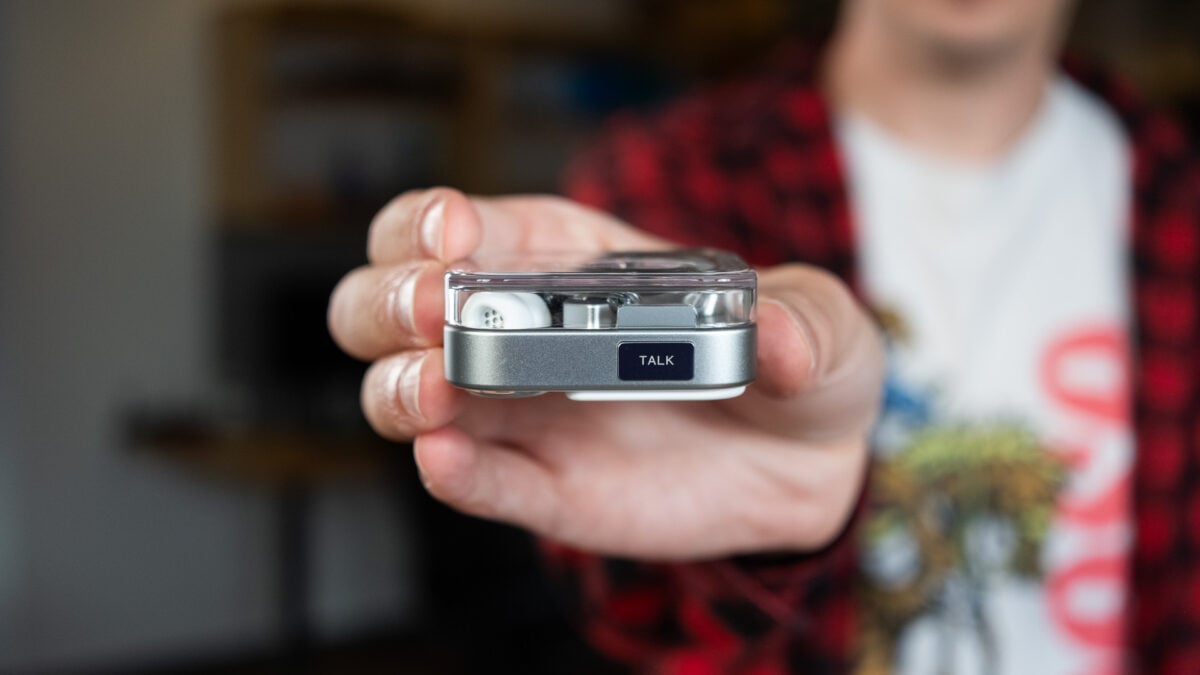
AI gadgets are pretty damn far from finding their footing, but if there’s one form factor that big names are seeing promise in, it’s wireless earbuds. Plaud, for example, recently announced its first-ever pair of wireless earbuds, and they center entirely around AI, especially as it pertains to productivity. Plaud One records from both the earbuds and their case, transcribes audio, and even has “agentic” abilities that can draft emails or suggest other actionable items based on what’s overheard. Productivity is brutal. 8 December. pic.twitter.com/k7bMeIffRh — Nothing (@nothing) November 24, 2026 Nothing is getting into the game, too. This week, the U.K.-based audio/mobile company announced that the Ear Note will be its first true AI gadget, which is a pair of wireless earbuds with built-in AI. The earbuds, according to a report from Bloomberg, will focus on functions like transcription and translation, with some hints at agentic abilities, though the agentic abilities haven’t yet been announced. In many of ways, the idea makes sense. Wireless earbuds are something that tons of people already own, and beyond that, they’re a piece of hardware that lmany of us wind up wearing for most of the day, so putting a chatbot or an agent inside would increase the likelihood of actually using one. Plus, they already have microphones and Bluetooth access to your phone, so the pipeline to AI is already established. In short, people are familiar with the form factor, unlike other AI gadgets that may come in pendant form or, God forbid, a pin. Notice everything I just mentioned is about the hardware, though. As much sense as earbuds make for AI, whether the AI part holds up its end of the bargain is another question entirely. AI agents can be useful at times—Lord knows companies have spent enough time pushing them as hands-free ways of booking flights, or calling an Uber, or ordering food. But their success in those arenas is far from guaranteed. As someone who’s interfaced with voice-based AI quite a bit over the past few years, including models like Meta’s Muse or Google’s new Gemini for Home, I can tell you from firsthand experience that satisfaction varies. Sometimes the AI doesn’t hear you; sometimes it hears but doesn’t understand; sometimes it just hallucinates answers entirely. © Plaud I haven’t had a chance to test out Nothing’s AI earbuds, since they’re not out yet, nor have I spent an adequate amount of time with the Plaud One, but based on my experience with AI, I can say with conviction that the hurdles for making them feel useful and efficient are steep, especially when you consider the fact that people are going to be working when they use these products. It’s one thing to screw up a dinner reservation and another entirely to get someone into hot water at their place of employment. That margin for error is small. Maybe AI earbuds will rise to the challenge. In fact, I hope they do. I want work to be less annoying, and making a product that helps me spend less time copying and pasting things into spreadsheets or putting reminders in my calendar is a quest worth embarking on. But based on what I’ve seen so far, AI earbuds are going to have to nail the first part of the equation—AI—before they rise from a “good idea” to a “good gadget.”
The Biggest Hurdle for AI Earbuds Could Be… AI
Full Article
Original Source
Read the full article at Gizmodo →KhanList aggregates and links to publicly available news content. We do not host full articles from third-party sources. Always verify important information with original sources.