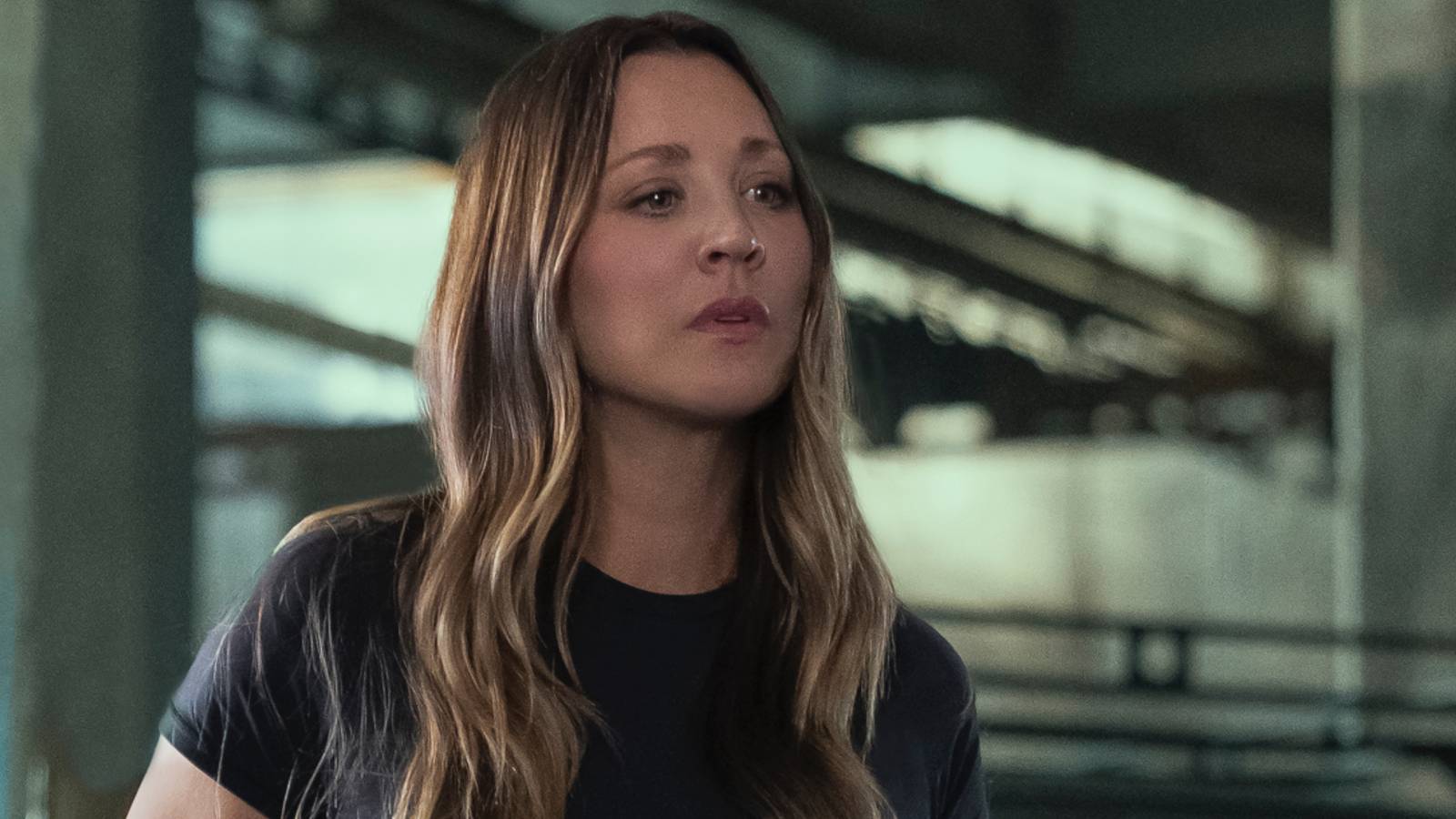
Published Aug 1, 2026, 8:30 AM EDT Ana Dumaraog is a Writer and Editor at Screen Rant, where she expertly covers Network TV offerings, among other things She has spearheaded the effort to make the site an authority on broadcast shows, initially starting with The Big Bang Theory franchise, NCIS, and One Chicago before taking on the specialization in general. Ana has also covered a wide-spread of topics in the past — from franchises like, the MCU and Star Wars, to classic TV favorites, such as Frasier and MASH. Ana brings clarity and enthusiasm to every story she tackles—whether reporting on new releases or offering deep dives into fan-favorite franchises. Her coverage translates complex entertainment developments into engaging, audience-focused content. Warning! Spoilers ahead for Stuart Fails to Save the Universe episode 2, "Spoiler: Zack's in This One."Thanks to its new release, The Big Bang Theory officially explains why its first recast had to be done. Seven years since the nerd-centric sitcom bowed out, it is returning with a new story that effectively continues the lore of the Pasadena gang. Granted that the franchise has remained relevant since The Big Bang Theory finale, thanks to Young Sheldon and Georgie & Mandy's First Marriage, but Chuck Lorre and Bill Prady's comedy hadn't rolled out a contemporary narrative until Stuart Fails to Save the Universe. Kevin Sussman returns to the small screen to reprise his beloved comic book shop owner character in his very own show. Stuart is forced to a multiversal adventure to save reality after accidentally breaking a device created by Howard, Sheldon, and Leonard. He is joined by Lauren Lapkus' Denise, Brian Posehn's Bert Kibbler, and John Ross Bowie's Barry Kripke. Due to the nature of Stuart Fails to Save the Universe's storytelling, not all of it is canon. However, the biggest takeaway from episode 2, "Spoiler: Zack's in This One," explains the franchise's first-ever recast quite effectively. Kaley Cuoco's Stuart Fails To Save The Universe Is Reminiscent Of TBBT's Original Penny HBO Max Following Kunal Nayyar's return as distressed Raj in the premiere, Stuart Fails to Save the Universe brings back Kaley Cuoco as Penny. However, like its predecessor, it's an alternate reality version of the character — someone who runs a rebel group alongside ex-boyfriend, Zach (Brian Thomas Smith). Their group comes face-to-face with the fleeing Stuart, Barry, and Bert in an intense confrontation. Penny is brutal and stern in this universe, as she ruthlessly leads her squad, not showing any of the core four mercy when they couldn't help her cause. This can be off-putting for those who were used to The Big Bang Theory's official iteration of the character, who was firm but gentle, assertive but kind. Much has been said about the unaired original The Big Bang Theory pilot that CBS asked Lorre and Prady to rework. The network saw the potential in the series, but they recognized that a few alterations could make it broadcast-ready. In that iteration of the opener, Amanda Walsh played Katie — an original version of Penny, which was eventually tweaked to the one that Cuoco eventually played for 12 seasons in the comedy. In the unaired pilot, Sheldon and Leonard meet Katie as she is crying on the sidewalk after a break-up led to her having no home. She ends up moving in with the boys, but unlike Penny, she is meaner and hardened, like Cuoco's character in Stuart Fails to Save the Universe season 2. Before HBO Max's The Big Bang Theory spinoff, all of these details were told through accounts of those who were involved. Granted that the unaired pilot exists online, it was still difficult to relate it to what the nerd-centric sitcom eventually became because viewers don't have an emotional attachment to Walsh and Katie. Seeing Cuoco play a ruthless Penny in Stuart Fails to Save the Universe drives the idea home. Why Penny Had To Be Softer In The Big Bang Theory CBS (via MovieStillsDb) While the premise of The Big Bang Theory was always rooted in the frienship among Leonard, Sheldon, Howard, and Raj, the events of the series didn't start until Penny moved in Apartment 4B. In many ways, her arrival kicked off the best decade of the group's life, as she broadened their horizon beyond their scientificand nerdy pursuits. Penny was gentle and kind to the boys, and that effectively captured the audience's perspective in The Big Bang Theory, which helped endear its characters to the public. Had she been hard on them, the cast dynamic would have been very different, and she could have easily been painted as the villain of the project. It's dubious if The Big Bang Theory would have been as popular if the overall chemistry of the group was significantly altered. Its characters had been at the heart of its storytelling, and Penny was a big part of that. Despite some storytelling gaffes, including the controversial pregnancy twist in The Big Bang Theory finale, she had a great personal arc, all while making the overall show better. Cuoco has been nothing but thankful for being able to be a part of the comedy, so it makes sense that she's beloved by the fandom. Enjoy ScreenRant's primetime coverage? Click below to sign up for my weekly Network TV newsletter (make sure to check "Network TV" in your preferences) and get the inside scoop from actors and showrunners on your favorite series. SIGN UP NOW! The Big Bang Theory 6/10 Release Date 2007 - 2019-00-00 Network CBS The Big Bang Theory follows a group of socially awkward scientists and their interactions with each other and the people around them. Centered on physicists Sheldon and Leonard, the series humorously explores friendship, romance, and the quirks of life among an eclectic group of academics.
The Big Bang Theory Finally Explains Its First-Ever Recast After 20 Years
Full Article
Original Source
Read the full article at Screenrant →KhanList aggregates and links to publicly available news content. We do not host full articles from third-party sources. Always verify important information with original sources.