
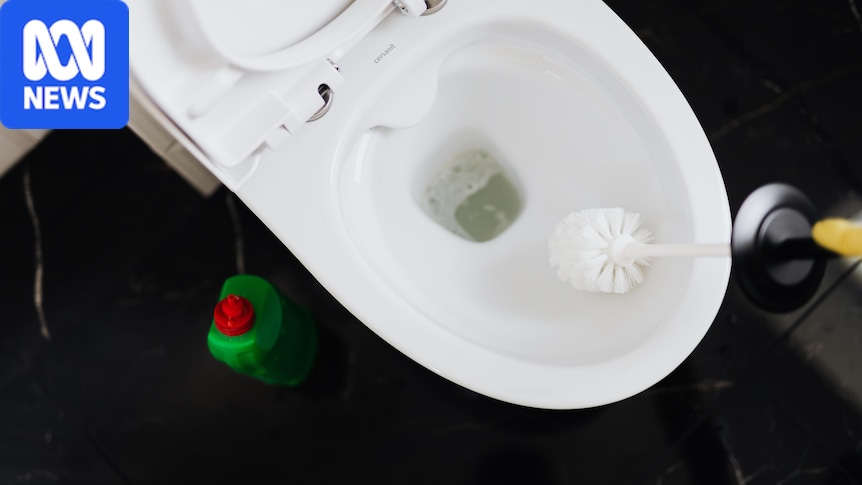
It's not a glamorous task but cleaning the household toilet is a part of life.We spoke with two experts about the best way to get your porcelain throne sparkling clean — including removing stubborn stains.What's in our toilet?Germs in toilets can be bacteria, viruses, fungi or yeast, and other microbes, says Cindy Gunawan, an associate professor and microbiologist at the University of Technology Sydney."These can come from faeces, urine, skin, as well as the environment," she explains.For example, gut bacteria such as E. coli, Staphylococcus aureus from our skin, and viruses indlduing norovirus.For healthy people, Dr Gunawan says the risk from these is generally low."There are however higher risks for germs that come from gastro diarrhoea and vomits," she says."These germs are more likely to cause illness via hands touching contaminated surfaces, then transfer to mouth or face without hand washing."Cleaning the bowl and how oftenMatthew Steen is the director of reviews and testing at Choice and says the most common toilet cleaning products are manual liquids and gels "you squirt around", and those that are stamped or attached to the rim of the bowl.Mr Steen says powders and tablets form a smaller part of the market.Jason Shipway from Perth/Boorloo owns a cleaning business.He says for a general bowl clean, swishing around a bleach-based product and scrubbing with a toilet brush will do the job."Just doing that at least once a week," he says."I'm not a big fan of toilet bowl tablets a lot of people have under the rim. Over time they tend to stain the bowl."If you prefer not to use bleach, Dr Gunawan says soap and water "can remove most germs, as well as dirt and organic matter".But he says you may want to up the ante to disinfect the toilet if there is sickness in the household."Bleach — diluted — can be used to clear toilet bowl, in particular after illness."She recommends wearing gloves when cleaning your toilet and washing hands thoroughly afterwards.Removing stubborn stainsMost stains present in toilet bowls are due to scale build-up from the water supply, explains Mr Shipway."Clients will often say they have tried everything and haven't been able to get rid of it."General bleaches and toilet cleaners won't tackle that."Instead, Mr Shipway recommends a sulphamic acid-based product such as Scalex, which removes mineral scale, calcium deposits, lime, rust and scum."You can also try a [toilet] pumice stone to scrape off that build-up," Mr Shipway says."You can pick up a packet of three to six of them for $10 and they will last you forever."Friction is a key part of removing stains, says Mr Steen.What about the rest of your toilet?Dr Gunawan says the flush button, door handles, tap knobs, and under the toilet rims can have higher germ loads than the toilet seat itself. So it's important not to skip items."Also make sure to clean both sides of the toilet lid, as well as the base of the toilet that meet the floor, walls and floor in the splash zone."For toilet surfaces, Mr Shipway uses a disinfectant spray."When you spray, it has to dwell for some time to kill the bacteria."Then you can go in with paper towel or microfibre cloth and wipe it down."For stains on the seat, caused by fake tan for example, Mr Shipway swears by magic erasers.He recommends a deep clean for your toilet every three months.Toilet brush maintenanceTraditional bristle toilet brushes made of nylon and plastic should ideally be replaced every three to six months, Mr Shipway says.He says silicone brushes may last up to two years in use.There is some evidence silicone bushes harbour less bacteria.Brushes themselves should also be cleaned once a month."Glove up and give it a good wash in the laundry. Hot water is the best," Helen Stratton, associate professor of microbiology at Griffith University, previously told ABC Lifestyle."If you can, even tip a bit of boiling water on or let it sit in boiling water and a bit of disinfectant."
The best way to clean your toilet and how often
Full Article
Original Source
Read the full article at Abc →KhanList aggregates and links to publicly available news content. We do not host full articles from third-party sources. Always verify important information with original sources.