
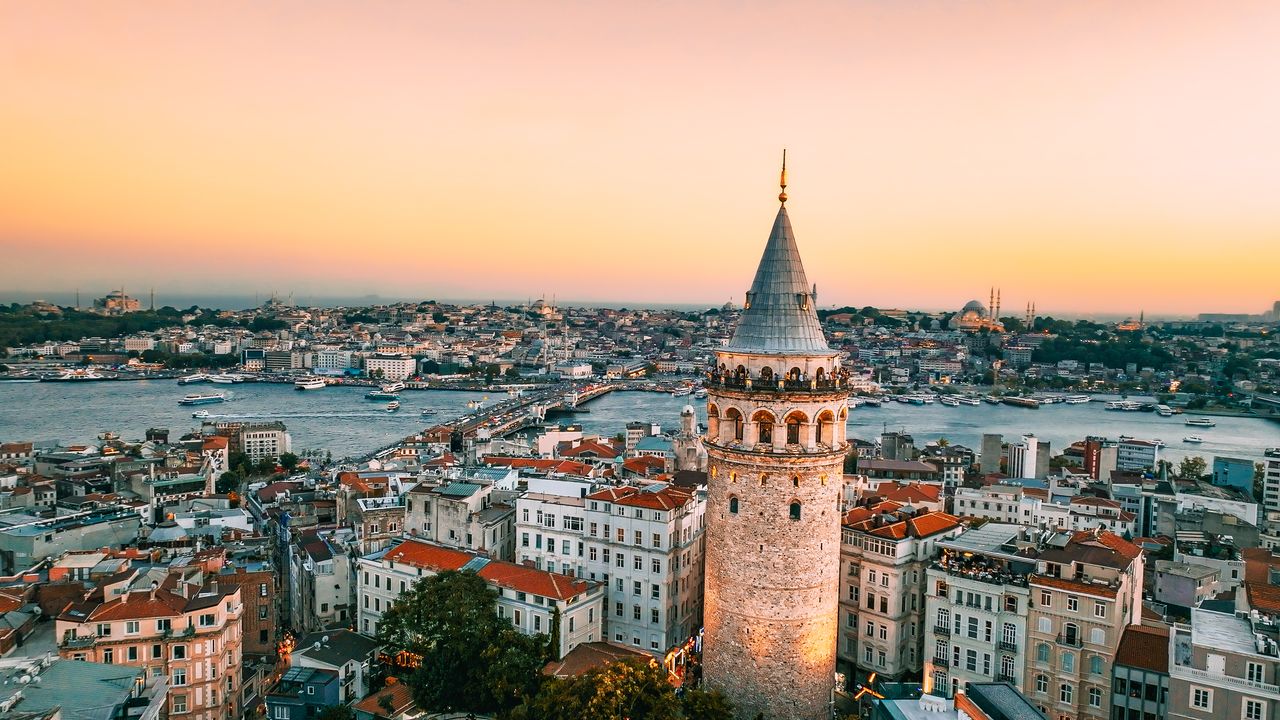
From tiled palaces to centuries-old markets, art galleries and colorful neighborhoods, here's a must-visit guide to Türkiye's most charismatic city.Guven OzdemirCarved in two by the Bosphorus and known as the city where East meets West, Istanbul is as layered as the nearly 16 million people who live here are varied. Its skyline swings from modern towers to centuries-old domes, and for first-time visitors—or anyone short on time—the sheer volume of things to see and do can feel intimidating.Major sights like the Grand Bazaar and Hagia Sophia are well-worth hours of attention, but for every landmark on an itinerary of must-sees, there’s a quieter corner worth exploring.Down Istanbul's hills and through its backstreets, you’ll find neighborhoods that feel local and authentic—where shopkeepers greet passersby by name, laundry sways between windows, and the scent of home cooking drifts through open doorways. These are the parts of Istanbul that offer a more grounded perspective—not just what the city looks like, but how it lives. Bebek, Çukurcuma, and Cihangir are among the most rewarding to explore, especially for solo travelers, though anyone who makes the time will likely be drawn in.This list brings together the headline sights and the tucked-away favorites—here are the best things to do in Istanbul.Read our complete Istanbul travel guide here, which includes:The Best Cafés in IstanbulThe Best Airbnbs in IstanbulThe Best Hammams in IstanbulHow we choose the best things to do in IstanbulEvery review on this list has been written by a Condé Nast Traveler journalist who knows the destination and has visited that activity. When choosing things to do, our editors consider landmarks and experiences that offer an insider’s view of a destination, keeping authenticity, location, service, and sustainability credentials top of mind.Skip to:The must-seesCharismatic neighborhoodsCultural hangoutsUnmissable restaurantsOne-of-a-kind bedroomsThe must-seesThe Hagia Sophia was converted into a mosque by the Ottomans. Emad AljumahThe Hagia Sophia and museumFrom the outside, the Hagia Sophia is undeniably majestic—a seemingly floating central dome is flanked by four spear-like minarets and a buttress of weathered, pastel pink colored stone. It is only once you venture inside, however, that you are truly able to grasp the complicated history of the mosque. Originally built in 537 AD under Emperor Justinian, the site was once home to the world’s largest cathedral. As a result, the central hall is decorated with Byzantine mosaics depicting the Virgin Mary, Deesis, and Emperor Justinian. In 1453, the Ottomans converted it into a mosque, constructing the four minarets and a mihrab embellished with ornate tiles. Ottoman calligraphy and gold mosaics were also added over the years, with visitors now able to view all of these design details from the upper gallery. Be sure to visit the museum just behind the main building, too. Housed in the former Land Registry Office, it opened in 2023 and offers further context behind the monument itself. Standouts include fragments of original mosaics, old blueprints, and digital reconstructions to show how the building has changed over the centuries.The beautifully tiled Imperial Harem occupied part of the palace's private apartments of the sultan. minemeroTopkapi PalacePerched above the Bosphorus in the historic Fatih district, Topkapi Palace served as the administrative heart of the Ottoman Empire for nearly 400 years. It is no surprise that the property is suitably grandiose, with visitors entering through an expansive courtyard lined with tiled pavilions and verdant gardens. The complex is vast, with each section offering a glimpse into Ottoman court life. Inside the Imperial Treasury, visitors find some of the world’s most extraordinary jewels, including the Topkapi Dagger, a ceremonial piece encrusted with diamonds and emeralds, and the Spoonmaker’s Diamond, an 86-carat pear-shaped gem with exceptional clarity. In the Sacred Relics Room, visitors can view the Prophet Muhammad’s cloak and sword, while the Harem is located the sultan's private quarters. This area, richly decorated with İznik tiles in vivid blues and reds, ornate wooden lattices, and carved stone fireplaces, is amongst the most lavish in the palace.Istanbul's ancient Byzantine subterranean cistern Mirko KuzmanovicBasilica CisternA miniature doorway adjacent to the Hagia Sophia marks the entrance to the Basilica Cistern, though long lines normally give the spot away. Once through the entrance, visitors make their way down a narrow flight of stone steps before abruptly entering the vast site of the cistern. Built in the sixth century under Emperor Justinian, the ancient reservoir is 106,000 square feet in size and once supplied water to the Imperial palace. Today, just a shallow pool laps around the base of the 336 marble columns that support the structure. Atmospheric lighting pulses slowly through space, the color alternating between a stark white and softer orange. The effect is mesmerizing, casting soft distortions across the ceiling and along the wet stone walls. Eerily timeworn and somehow almost perfectly intact, it is hard to leave the Basilica Cistern without a deep sense of respect for this ancient architectural feat. If, like me, the visit sparks a fascination with cisterns, I would strongly recommend visiting the less well-known Şerefiye Cistern and Binbirdirek Cistern.The colorful Grand Bazaar Subodh AgnihotriThe Grand BazaarSituated in the Fatih district, in the neighborhood of Kapalıçarşı, Istanbul’s beautifully restored Grand Bazaar—founded in 1461—is one of the world’s oldest and largest indoor markets, encompassing more than 60 covered streets and some 4,000 shops. Open every day except Sundays from 9am to 7pm, it attracts between 250,000 and 400,000 visitors every day. Hawkers and shop owners call out to potential customers and passersby, showing off their wares. Keep an eye out for items like handmade wood and metal crafts, traditional Iznik ceramics, colored glass lanterns, fresh spices, and jewelry. Prices are often negotiable and haggling is common. Some vendors may even offer you tea while you browse. As shopping experiences go, it truly is one of a kind.Take a trip on the Bosphorus. tawatchaiprakobkitBosphorus river cruiseThe waterways of Istanbul are spectacular. The famous Bosphorus Strait—which connects the Black Sea in the North to Sea of Marmara in the South, dividing Istanbul’s East and West sides—is filled with a constant flow of boats going about their business. There are certainly plenty of spots along the banks from which to take in the view, but it is best enjoyed from the deck of your own river cruise, which are plentiful and can be surprisingly cheap. As well as a chance to experience some sailing, it’s also a fantastic way to see many of the city's riverside landmarks and beautiful heritage buildings in a single journey—no easy feat when trying to navigate Istanbul by road.The historic Zeyrek Çinili Hammam İbrahim Özbunar.jpgZeyrek Çinili HammamRe-opened to the public in September 2023 following a 13-year-long restoration, the Zeyrek Çinili Hammam—found in the UNESCO World Heritage-listed neighborhood of Zeyrek—is a true treasure of Istanbul: a 16th-century masterpiece brought forward into the modern day. Originally commissioned by Ottoman admiral Barbarossa, this incredible bathhouse once derived its name from the famous Iznik tiles that used to cover its surface, but fell into disrepair. Today, visitors can try a wide variety of experiences and treatments using the bathhouse’s fully restored facilities, or immerse themselves in the rich cultural history uncovered by the efforts of the restoration team, including an astounding collection of archaeological relics proudly displayed in the hammam’s on-site museum. You can also enjoy a guided tour, available in either Turkish or English, on Wednesdays.The historic Galata Tower resulmusluGalata TowerGalata Tower is one of Istanbul’s most instantly recognizable landmarks. Included on the UNESCO World Heritage list since 2013, the structure was originally built in 1348 and was the tallest building in the city for its time, overlooking the north side of the Golden Horn. Since then, the tower has found itself a part of history many times, but is perhaps best known for its association with Ahmed the Wise, an Ottoman inventor who—according to local legend—used Galata Tower as the starting point for his flight across the Bosphorus in 1632, using a pair of artificial wings. The full 360-degree panoramic view of the city from the top of the tower is very impressive, as is the collection of historical artifacts displayed on some of the lower levels.The Ortakoy Mosque on the banks of the Bosphorus janiecbrosOrtakoy MosqueIn a city filled with incredible architecture and spellbinding heritage buildings, the Ortaköy Mosque is undoubtedly one of the most beautiful places to see. Located on the waterfront close to the Bosphorus Bridge, which creates a wonderful visual juxtaposition of the city’s blend of traditional and contemporary aesthetics, this 18th-century Neo-Baroque temple is incredibly ornate. The carved stone decorations of the exterior and the minarets are unlike anything you will see on any mosque in Istanbul, while the inside boasts an exquisite collection of calligraphy panels, hand-painted by the mosque’s creator, Sultan Abdülmecid I. Don’t let the small size fool you—this is a real gem.Charismatic neighborhoodsA world away from the Golden Horn’s wondrous sights, these quirky pockets of Istanbul feature eclectic stores, welcoming cafés, and fun street art.Çukurcuma is known for its antique and vintage clothing shops Alla TsyganovaÇukurcumaThe district of Çukurcuma has long been known as the antiques district of Istanbul, with visitors often heading straight for Çukur Cuma and Faik Paşa Street to hunt down timeworn treasures. The area is charming, with the houses themselves a mishmash of shapes of colors—miniature, red roof dwellings decorated with wooden panels are piled next to slim, towering town houses embellished with sweeping bay windows. The goods from the shops tend to be piled out on the cobblestoned streets, with wooden antique furniture and ornate carpets found in abundance. Alaturca House boasts stacks of shelves stocked full of traditional Turkish rugs, whilst Karadeniz Antik is known for their collection of statues, and Samdan Antique has an impressive selection of midcentury furniture.Although known its antique spots, the area also has a myriad of other notable shops worth visiting. At 3rd Culture, visitors will find cushion covers, traditional Turkish linen towels (peshtemals), and lampshades covered in quirky, geometric patterns. Vintage clothes lovers will find Notio Bene Vintage, Mink Vintage, and Leila Boutique all crammed next to each other along the corner of Cukur Cuma Street and Boğazkesen Street. Slightly further down Boğazkesen Street, visitors can peruse rows of pastel colored ceramics and delicate tulip-shaped tea cups at Özlem Tuna. Once you tire of shopping, head to the Tavern. A chic cocktail bar with guest DJs, their menu boasts fried wontons stuffed with confit duck leg and beef tenderloin roasted in a black garlic marinade.Kadikoy district is on the Asian side of Istanbul. Aleksei SavinKadikoyFewer visitors frequent the Asian side, ensuring that Kadıköy’s markets are still relatively untouched. The streets are lined with fresh fish laid out on beds of ice and barrels filled with fragrant spices sold at a quarter of the price found in the Grand Bazaar. I would advise heading straight to Olimpiyat Kokoreç at the top of Güneşli Bahçe Street. The hole-in-the-wall spot specializes in grilled fish sandwiches laced with heaps of lemon and a tangy salad mixture. If you are looking for something more substantial, simply make your way further along Güneşli Bahçe Street. Wooden tables adorned with checkered linens line the cobbled road, with diners sitting outside sharing meals and miniature glasses of milky raki. Ciya Sofrası serves Anatolian classics, and Halil Lahmacun specializes in a thin, crispy flatbread topped with spiced minced meat. After eating, wander down to Moda Pier. Housed in a converted building from the early 20th century, the cultural space was recently revived as a library and café. Follow the locals, and sip a coffee on one of the deck chairs facing the water.The colorful houses of Balat Alexander SpatariBalatA little off-the-beaten-path, Balat used to be Istanbul’s Jewish quarter, a heritage that is reflected in the centuries-old synagogues that can still be found in this area of the city, alongside the churches and mosques. Rather calmer and quieter than some other parts of Istanbul, this close-knit community possesses a unique parochial charm all of its own, from its pastel-painted old houses and antique shops, to its many quaint tea-rooms and cozy cafés. It’s very much an area unbothered by the more outwardly touristic trappings of the rest of the city, making it perfect for a pleasant stroll with some sightseeing. However, no visit to Balat would be complete without a meal at the amazing Smelt & Co, a seafood and vegetarian restaurant beloved by both locals and travelers alike for its incredible fare and welcoming, homely atmosphere.The Art-Nouveau mansion, which now houses the Egyptian consulate, takes pride of place in Bebek. Tetra ImagesBebekSitting directly on the bank of the Bosphorus Strait, the affluent neighborhood of Bebek couldn’t be further from the bustle of central Istanbul, yet it's equally enthralling thanks to its beautiful buildings and local waterfront cafés. One such building—the impressive Art-Nouveau mansion that now houses the Egyptian consulate—sits majestically beside the bay, handsomely showing off its columned façade and ornate wrought-iron railings following a complete restoration in 2010. Make time to revel in its beauty. Then, head to Mangerie, where the city’s elite meet for lunch. With views across the Strait, hip Istanbulites convene daily to catch up over huge plates of artichoke salad, zucchini carpaccio, or locally caught fish dishes. While Susam—a much more low-key affair—has the best pomegranate juice in town. It’s the ideal accompaniment to a late afternoon stroll along the waterfront, where fishermen wait patiently alongside sun-bleached buckets for their next catch.Cihangir has a Boho vibe with street cafés and people watching aplenty. DragoncelloCihangirCool cafés, fun street art, and ancient hammams collide in this delightfully Bohemian area of Istanbul, where almost every street features tiny paw prints forever cemented into dried concrete by the city’s much-loved street cats. And although a rotation of red-faced tourists rather than locals make up the clientele at Aga Hamami, it’s more than worth making a break in your schedule to visit. As one of Istanbul’s oldest hammams, dating back to 1454, the structure itself is as impressive as the vigorous scrub down guests are met with post-steam. Street art also plays a key part of Cihangir’s psyche, with interesting new pieces popping up regularly. Standout murals worth seeking out include Leo Lunatic’s evil panda in a parking lot off Koca Aga Sk and a huge Nazar (Türkiye’s blue evil eye) nearby. Tiny Tarihi Cihangir Simit Firini is unmatched when it comes to baked goods and sits just a few hundred feet from Aga Hamami. The two tables on the opposite side of the street provide a prime people-watching position, the perfect place to enjoy a freshly baked simit, or any of the delicious daily baked pastries. Coffee from nearby Swedish Coffee Point is also very good.Cultural hangoutsIstanbul’s art scene has surged in the past few years, with a whole host of galleries and museums now available for enthusiasts to visit.A rooftop view from the Istanbul Modern designed by Renzo Piano Courtesy Lydia SwinscoeExplore contemporary artOver the past few decades, Istanbul has seen a wave of contemporary art galleries and museums reshape the city’s cultural landscape. Istanbul Modern was among the first to lead the charge when it opened in 2004. Recently relocated to a new waterfront building designed by Renzo Piano, who created Paris’s Centre Pompidou, at Galataport in 2023. With a focus on the transformation of Türkiye’s art scene after 1945, the gallery includes Hale Tenger’s work which shines a light on migration and discrimination, as well as newly created site-specific works from Refik Anadol and hauntingly beautiful travel portraiture by Nuri Bilge Ceylan taken during trips to Georgia, India, and China. The ultra-modern building, which draws comparisons to an epic ship coming into dock, also features a reflective pool on the gallery’s terrace and, of course, unmissable city views. Another early entry to the scene was Galerist, a gallery founded in 2001 and now well known for representing leading Turkish artists.Later additions include Salt, which now occupies two locations in Galata and along İstiklal Street, and is well known for its interdisciplinary approach. The spot in Galata boasts particularly impressive architecture too; located in an ornate former Ottoman Bank, the property features neoclassical details, including soaring bay windows, detailed stone carvings, and an atrium peppered with palatial arches. Exhibitions change regularly, though the space also has a research library, café, and bookstore.Arter Museum in Istanbul Anadolu/Getty ImagesContemporary art enthusiasts should also make sure to visit Arter, located beside a stretch of mechanical workshops and a community football pitch in Dolapdere, a relatively low-income neighborhood. Fewer tourists tend to venture here, but the museum is well worth the detour. Its futuristic building, defined by a clean-cut white façade, offers a far quieter atmosphere than the more popular cultural spots in central Beyoğlu.For those interested in new media art, Borusan Contemporary is another lesser-known highlight. The museum focuses on practices that incorporate photography, video, sound, light, and digital technologies, alongside exhibition-related publications available through its Art Store and Museum Café.Enjoy early modern art and cultureFor a deeper look into Türkiye’s artistic heritage, head to the Pera Museum, which specializes in Ottoman and Turkish art. Housed inside a restored 19th-century hotel building in Beyoğlu, the museum is best known for its celebrated painting collection, including The Tortoise Trainer by Osman Hamdi Bey, one of the most recognizable works in Turkish art history. Painted in 1906, the piece depicts an Ottoman-era dervish training tortoises, often interpreted as a reflection on patience, reform, and the slow pace of change during the final years of the empire. Elsewhere, the museum’s permanent collections explore everyday life across Anatolia through displays of historic weights and measures, revealing the systems of trade and commerce used across the region, alongside a vibrant Kütahya ceramics collection decorated with intricate floral motifs and deep cobalt, turquoise and crimson tones.For history buffs willing to travel further north along the Bosphorus, the Sakıp Sabancı Museum is also worth a visit. Set in a former Ottoman villa, the museum houses an extensive collection of Ottoman calligraphy, paintings, and decorative arts, alongside rotating exhibitions that explore both Turkish and international artists. The setting is a significant part of the appeal; after exploring the galleries, visitors can wander through the landscaped gardens or sit overlooking the Bosphorus.Exhibition cases at Orhan Pamuk's Museum of Innocence, a tribute to the author's home town Courtesy Lydia SwinscoeThe Museum of InnocenceLocated in a 19th-century crimson wooden house on a hill in Çukurcuma district is a museum so intriguing, it deserves a special mention: novelist Orhan Pamuk’s The Museum of Innocence. Spread over five floors, the museum showcases 83 displays, each one corresponding to one of the chapters of Pamuk’s eponymous novel, published in 2008. The displays, mostly housed in glass-fronted boxes, are filled with everything from retro bottles of acid-orange Meltem soda pop and bobby pins, to street maps highlighted with neon pink and ancient shaving brushes. Each and every item relates in some way to the novel’s storyline, yet miraculously, many of the objects were sourced before the book was even written. Offering an incredibly detailed snapshot of upper-class life in Istanbul from the 1970s onwards, Pamuk has successfully created one of the most moving exhibitions to date—a real highlight of the city.Galataport Promenade znmGalataport IstanbulOpened in 2021, Galataport transformed Karaköy’s waterfront into a new cruise terminal. As part of the redevelopment project, Galataport also revitalized the surrounding neighborhood, introducing a large shopping complex while restoring historic buildings such as the Ottoman-era Paket Postanesi (post office). It's a useful stop for those looking to pick up gifts, with Turkish classics such as lokum and baklava available from long-established names like Hafız Mustafa 1864 and Şekerci Cafer Erol, alongside authentic Turkish coffee from Selamlique. Fashion and design enthusiasts should be sure to explore Paket Postanesi, which specializes in local brands with an artisanal focus. Browse pre-loved pieces at Vintage Corner, or find colorful handmade leather goods at Kundura. Beauty lovers should also visit Atelier Rebul, known for its apothecary-inspired products, while Figg offers traditional Turkish footwear. Before visiting, be sure to check the events program at Komün, an outdoor space on the Paket Postanesi terrace hosting yoga sessions, live performances, and discussions.Unmissable restaurantsRemarkably, there are more than 20,000 restaurants in Istanbul, ranging from arty Michelin-starred stalwarts to basic cafés serving comforting, family-style Turkish cuisine. But a handful of the city’s best dishes can be found in blink-and-miss spots—don't leave Istanbul without sampling these standout dishes.A table-top spread at Sehzade Cag Kepap Courtesy Lydia SwinscoeSehzade Cag KebapKebab restaurants are a firm fixture on pretty much every street in Istanbul but that doesn’t mean all offerings are the same. Listing just seven items on the menu, Sehzade Cag Kebap impresses with simplicity, outstanding flavors, and efficient service. Lamb is charcoal grilled, lavash bread is so thin you can almost see through it, and the moreish tomato dip is suitably spicy but doesn’t overpower.Hanimeli VeganHidden in the aforementioned bohemian neighborhood of Cihangir sits this unassuming hole-in-the-wall café which, confusingly, isn’t actually strictly vegan, but it is, however, a true delight. It’s more of a point-and-order type of eatery as dishes change daily depending on the season. Featuring a good selection of salads and stews, it’s the ideal place to stop for lunch in-between hunting out antiques or a hammam pitstop. If you only get to visit once, must-try dishes are plump eggplant perfumed with oregano and tomato, a herbed cucumber salad topped with a smattering of fresh red chili, and the vegetarian manti (mini spiced dumplings) served with cacik (yogurt and sumac sauce)—slightly addictive, but definitely not vegan.Karaköy LokantasiRecommended by numerous Istanbulites, Karaköy Lokantası is what dreams are made of: service is attentive, the wine list is impressive, and a jovial atmosphere awaits each and every evening. The restaurant’s creative dishes fuse local ingredients and Turkish flavors with a tapas-style ethos, meaning ordering a selection of small plates is the way to go—not ideal for solo travelers but more than worth a trip regardless. The standout dish here is the hot-pot cooked shrimp with garlic, chili, and tomato, which is so good I had to return a few days later to indulge once again. Samphire was also in season for my visit, and when dressed in dense local olive oil, it provided the perfect accompaniment to Karaköy Lokantası’s fresh seasonal fish. The potato croquettes are some of the best I’ve ever eaten (including Spain’s offering), while the fried slithers of beetroot and zucchini are an absolute joy—suitably crisp on the outside, cooked to perfection on the inside. Unmissable in every way.A delicious lahmacun at Tatbak, Istanbul Courtesy Lydia SwinscoeTatbakTatbak’s spicy minced meat topped lahmacun (a thin-crust pizza-like dish) is well worth the 40-minute walk from Çukurcuma, a fact that the late Anthony Bourdain was also well aware of following his 2009 visit to the local-approved hotspot. Slightly reminiscent of a French brasserie, Tatbak’s interiors feature stained glass and ornate floor tiles, but you’ll hardly notice them once your order arrives as the simple dishes here command all of the attention. Served with a leafy green salad topped with thick wedges of lemon, the lahmacun has an almost equal base-to-topping ratio with the minced meat providing a suitably spicy kick alongside whispers of garlic and parsley. The baklava is equally glorious.One-of-a-kind bedroomsThere’s no shortage of neat hotels in Istanbul, but when you’re after something slightly out of the ordinary, you’re going to want to make a beeline for one of these beauties.Soho House Club in the Pera district of Beyoglu theendupSoho House IstanbulNestled amid a green garden oasis in an impressive 19th-century palazzo building, you’ll find Soho House Istanbul, one of the best hotels in Türkiye, and while this exclusive global chain is usually reserved for members only, Istanbul’s version is currently allowing non-members to book bedrooms without an extra fee. Of the 87 bedrooms, expect polished concrete columns, parquet flooring, free-standing bathtubs, and locally sourced textiles.Rixos Tersane IstanbulOne of Istanbul's newest luxury openings, Rixos Tersane Istanbul occupies a restored 600-year-old Ottoman shipyard on the Golden Horn in Beyoğlu. The 432-room hotel balances its maritime history with contemporary design, beginning with a soaring entrance hall inspired by the V-shaped hull of an ancient ship. Nautical touches continue throughout, from hanging wooden boats to dark-tiled bathrooms and warm timber paneling, with many rooms even overlooking the water. Outside, an infinity pool stretches towards the shoreline beside Velena by the Sea, the hotel's waterfront restaurant, making it an ideal spot to stay at during the warmer months.This article was originally published on Condé Nast Traveller Middle East.Why Everyone Will Be Going to Osaka in 2025The bridge between East and West—and where old meets new
The Best Things to Do in Istanbul, Türkiye's Charismatic Capital
Full Article
Original Source
Read the full article at Cntraveler →KhanList aggregates and links to publicly available news content. We do not host full articles from third-party sources. Always verify important information with original sources.