
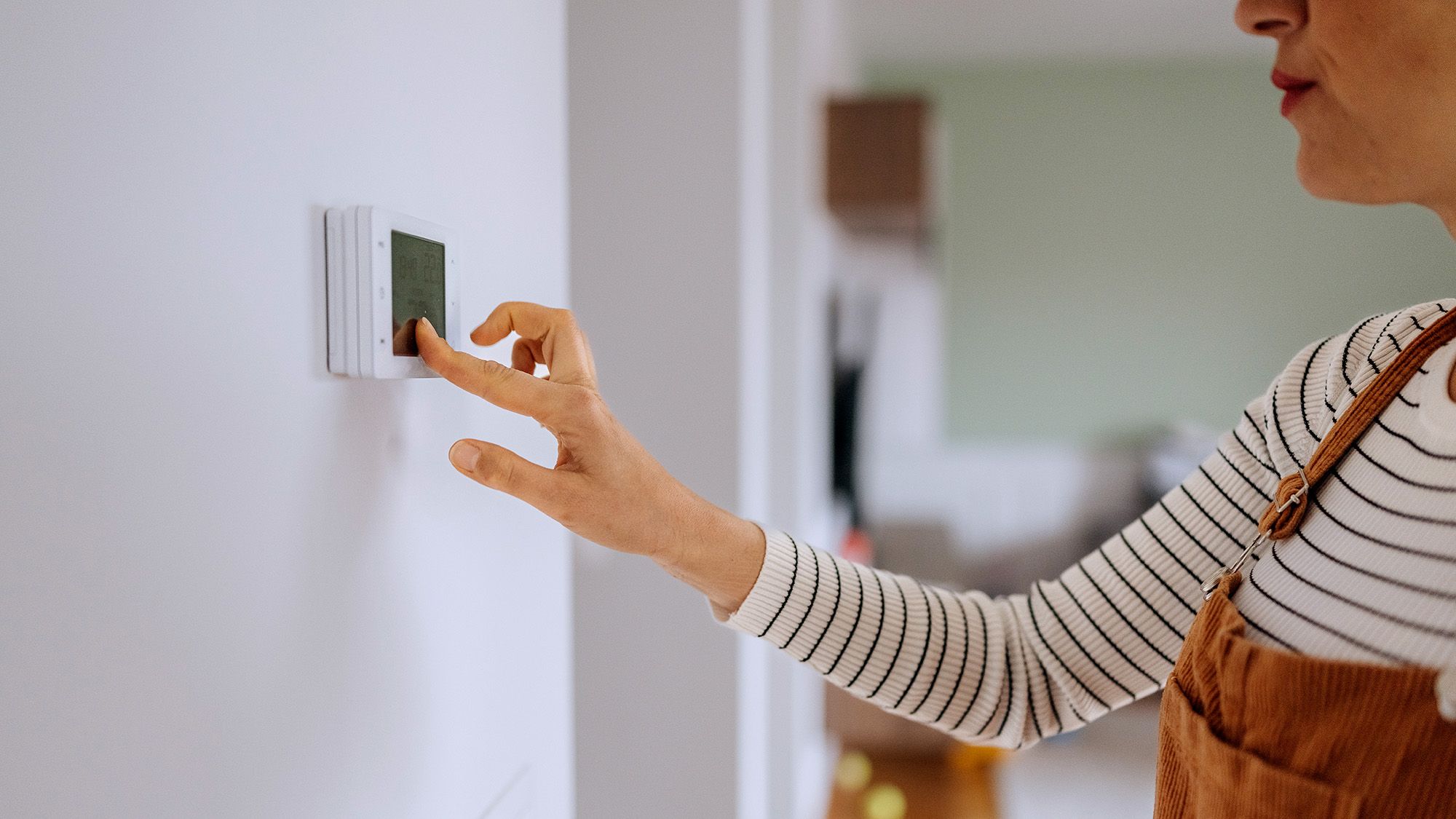
(Image credit: Getty Images) I used to be someone who would set my thermostat to heat, forget about it for 12 hours, and then suddenly remember and panic-run to turn it down. That was until I started setting my heating on a schedule — total game changer. What's more, I literally watched my monthly gas bill drop.Unfortunately, though, it didn’t drop quite as low as I’d hoped. This was me last winter, so this time round, I'm looking to really shake things up and ideally keep my heating below the $200/month mark.I haven't switched it on yet this year, and we've been reaching for our fluffy robes and thick socks so far, but we've probably only got a few more weeks of this before reality hits and I have to press that button. We have a toddler in the household, too, so keeping my home warm is vital.So, instead of guessing this winter, I reached out to a HVAC expert to find out what temperature is the golden number when it comes to heating your home. And why, of course! Here’s what they told me.The ideal thermostat temperature (Image credit: Shutterstock)This number will vary depending on the size of your home, how well-insulated it is, and how many people are inside. “As a rule of thumb, for most homes, start with 68°F during the day when people are home, then adjust up or down based on comfort,” claims Gelacio Lechuga, American Home Shield Virtual HVAC Expert."This temperature provides a good balance between comfort and energy efficiency," he adds. I wasn't hugely surprised by this, as my heating tends to sit around this mark, but I still find it cold some mornings and need layers.Of course, there are times when this number just won’t suit. “I’d lower the temperature to 60°F-65°F in cases where everyone is asleep, if you’re not home for several hours, or if you’re trying to save money on your utility bill,” claims Lechuga.Get instant access to breaking news, the hottest reviews, great deals and helpful tips.Don’t forget that the number of people in your household matters, as more people generate more heat — and it's worth considering who those people are in your home, too.You may need to raise your thermostat to 70°F-72°F or higher if there are elderly people, infants, or anyone with a health condition in the house.You may need to raise your thermostat to 70°F-72°F or higher if there are elderly people, infants, or anyone with a health condition in the house. “You can also raise the temperature during extremely cold weather if the home feels uncomfortable or if the home has poor insulation or significant drafts,” adds Lechuga.Don't forget that, as well as people in the house, the type of house that you own also matters. In larger homes, temperatures will vary hugely, as bigger rooms are harder to keep at a constant temperature. “Well-insulated homes stay warm longer and may require lower thermostat settings,” he says. Plus, you might not have considered other factors: “Dry indoor air can make a room feel cooler than it actually is,” he continues.And he adds, “South-facing rooms may naturally stay warmer during the day,” so you could get away with turning your heating down a little if your important rooms are south-facing.How else can I keep my utility bills down? (Image credit: Shutterstock)If you'd rather avoid ramping up your heating and you'd prefer to keep it as low as recommended without your pipes freezing, then there are some things you can do to help you stay warm. This is particularly helpful if you only use one room overnight while you sleep, or if you need one room to be hotter than the rest, perhaps if you have an elderly relative sleeping inside.A decent space heater will work wonders in warming one room, for a fraction of the cost that your utility company charges. These are also great because you can move them around your home as you move, and they're usually quite affordable in price, too. Follow Tom's Guide on Google News and add us as a preferred source to get our up-to-date news, analysis, and reviews in your feeds. More from Tom's GuideThese 3 common habits are secretly spiking your heating bill during winterHow long should you keep your heat on each day in winter? We ask the expertsThe best smart thermosats Annie is a freelancer at Tom's Guide. She's been an Editor at various home magazines for 7 years — reviewing and writing about everything from cleaning products to air fryers and mattresses. Annie started her career at Real Homes as Deals Editor in 2018 and by 2020 she was the UK Shopping Editor at Livingetc, Homes & Gardens, and Ideal Home. She was in charge of the majority of eCommerce content on these sites, including reviews and buying guides. Now, as a freelancer, she writes features, reviews, and guides for several brands including BBC Good Food, Ideal Home, and Parade Home & Garden.
The best temperature to set your thermostat this fall — according to an HVAC expert
Full Article
Original Source
Read the full article at Tomsguide →KhanList aggregates and links to publicly available news content. We do not host full articles from third-party sources. Always verify important information with original sources.