
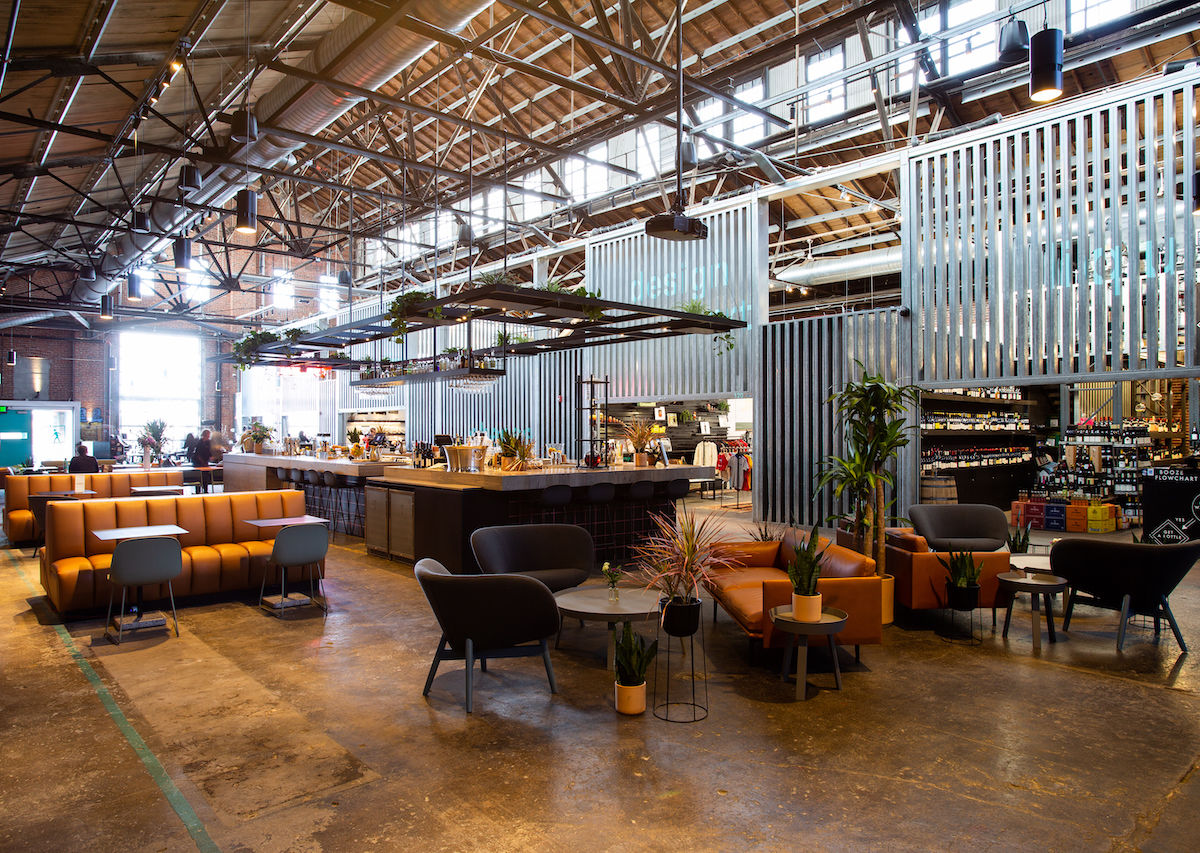
“Part of the reason that markets are blowing up is that cities, and especially industrial parts, declined for so long,” Justin Croft, vice president of development at Zeppelin Development, says. The company is behind The Source, a market hall and hotel north of downtown. “Developers are coming in and kind of building cities and neighborhoods from scratch, one big move at a time, in an effort to create compelling places for people to go.” Latino residents make up about a quarter of the Denver metro area. Census Bureau figures put the share at 24.6% of the metro’s roughly 3.05 million people in 2024, orabout 750,000. Venezuela is now the seventh-largest source of foreign-born residents, with nearly 9,000 people, and Asian and African communities have also become a real presence. Vietnam ranks fourth, with about 12,700 Vietnamese-born residents, behind only Mexico, India (about 18,000) and China (about 13,500). This creates a perfect landscape for showcasing a broad spectrum of cuisines under one roof. As for the city itself, food halls have helped fill long-vacant spots as the city has grown up around its downtown core. Much of the area that now makes up the trendy neighborhoods of River North and Lower Downtown — home to both of Zeppelin’s food hall developments, among others — was formerly industrial warehouse space that had sat vacant for decades until Coors Field was built for Major League Baseball’s Colorado Rockies in the 1990s, and began bringing tens of thousands of people to the north side of the city center. “The reason market halls are happening is because there are interesting, independent brands with people who have devoted their lives to that endeavor,” Croft says. “Twenty years ago, that just wasn’t the case because cities were filled with chain restaurants in their core, making it extremely difficult for local entrepreneurs to find their way to a storefront. Market halls really make it possible for mom and pop businesses to come together with their limited budgets and operational capacity and draw people in to enjoy them together.” And come together they have. These Denver food halls showcase the diversity and the style of Denver’s brightest culinary minds. The Source in RiNO The Source opened in 2013 as Denver’s first full-scale food hall. In addition to staples like a butcher, a barber, and a brewery, you’ll find locally renowned restaurants like Acorn from chef Ian Palazzola and the innovative Israeli restaurant and market Safta. There’s also a central bar called Bar Isabel, a liquor store, and The Source Hotel. Highlights: Cimera: Dine around in Mexico City’s Condesa or Roma Norte neighborhoods and you’re bound to spend time over small plates with rooftop views of the city. Chefs Diego Muñoz and Geoff Cox bring that vibe to the top floor of The Source, with flavors spanning the whole of Latin America. You can open with tacos al pastor and close with a Hauncaina featuring house-made pasta, pairing your dining route with a Oaxacan old fashioned up front and a red sangria on the backside. Safta Modern Israeli: A good meal can bridge borders and open minds, a mantra that Safta embodies through a broad scope of Mediterranean dishes including foraged mushrooms with chiva butter and chives or a saffron-stewed Persian rice dish with sunflower seeds and cherries. Avanti F+B in LoHi In 2015, Avanti F+B bought a collection of shipping containers, renovated them, and arranged them into a massive two-floored warehouse with a patio overlooking downtown. The building is populated by a rotating cast of chefs and restaurateurs trying out new concepts before bringing it them the brick-and-mortar market. If you want to learn about the dishes that will define the coming year in Denver’s restaurant scene, this is the place to try them. The project has gained enough popularity that the Avanti team opened outposts in Boulder and Vail, to boot. Stop by the bar to grab a cocktail as you enter, meander through the eight or so restaurant offerings until one catches your fancy, and, finally, find a seat outside overlooking the Platte River. Highlights: Quiero Arepas: Quiero Arepas is a Denver standby and one of the few longtime staples inside Avanti F&B. Once one tries La Original, there’s no going back. Ciao Babe: Nothing could be more representative of the Avanti mission statement than Ciao Babe. European street food with a heavy Italian bent comes from the crew behind Berliner Haus, also located inside the food hall, so following the former’s June opening it’s now possible to grab a doner keba, pick up a Hefe from Prost Brewing at the bar, and then finish with a plate of Amatriciana. Denver Central Market in LoDo Denver Central Market is the local incarnation of the European-style urban market. Basically, it’s everything the big-box specialty grocery stores try so hard to be but never actually pull off. In the grand hall you’ll find a butcher, an artisan bakery, specialty shops, and several deli counters serving the food that lured you from Larimer Street in the first place. A second outpost of Denver Central Market opened inside the airport in late 2018 — in case you missed the flagship while in town. Highlights: Vero Italian: Rome has its pizza al taglio and Naples has its blistered pies, and Vero brings both traditions to a RiNo counter. Pizzas come out of a wood-fired oven alongside handmade pasta. Grab a slice of the spicy Mexicana pie, or settle in with carbonara or spaghetti and meatballs, then wander the hall for a nightcap at Curio. Green Seed: Every good market starts with produce, and Green Seed has kept that tradition going at Denver Central Market since it opened in 2016. Part grocery stand, part juice bar, it piles its counter with fresh fruit and vegetables you can take home, and turns the rest into fresh-squeezed juices, smoothies, acai bowls and veggie-heavy salads. It’s a bright, healthy break between pizza slices and chocolate bonbons, and enough of a local favorite that owner Zach Spott is opening a second location in the Golden Triangle. Stanley Marketplace in Aurora The Stanley Marketplace is what happens when the generally understood idea of a suburban mall is re-thought to be an inclusive destination that’s actually a fun place to hang out at for people over the age of 17. Located in Aurora near the Anschutz Medical Campus, Stanley Marketplace has everything from a zero-waste store to a coworking space to a Japanese restaurant that flies fish in daily from California and Japan. Highlights: Annette: Chef Caroline Glover named her restaurant after her great-aunt Annette, a regular visitor to her family’s Texas home, and the cooking has that same warm, family-table feel. Glover trained under April Bloomfield at The Spotted Pig in New York and then worked on farms before settling in Aurora. Her scratch-to-table kitchen won her the 2022 James Beard Award for Best Chef: Mountain, and Michelin has since given Annette a Bib Gourmand. The menu changes with the seasons and leans on the wood-fired hearth: charred radicchio with braised sunchokes, a whole fresh fish cooked over live fire, and house-made mafaldine with ramps, morels and parmesan in spring. Grab a seat on the patio, inside a converted airplane factory, for a dinner that feels like a neighborhood find. Misaki: Misaki is named for a tuna-fishing town on Japan’s coast near Yokohama, and fresh fish has driven this sushi counter since it opened in 2017. Co-owner Charlene Thai also runs a seafood importer, so the cases fill with fish flown in from Japan and beyond: bluefin toro, Hokkaido scallops, sea urchin and Spanish mackerel. Start with nigiri, then try the house Misaki Roll, made with tuna poke, avocado tempura and a mustard-yuzu sauce. Pull up to one of the tables built on an old bicycle or motorcycle frame and order the gingery chicken karaage on the side. Molino Chido: Behind a glass-walled mill room, molineras turn corn through a 14-hour process into masa and about 1,000 tortillas a day. Chef Michael Diaz de Leon, who ran the kitchen at Michelin-starred Bruto, opened the taqueria with Tommy Lee of Uncle and Hop Alley. The tacos jump between Mexico and Asia: al pastor, bison tongue with crispy frites, shrimp with XO sauce, and mushroom with ponzu and huitlacoche. Pair them with a mezcal Paloma made with lacto-fermented grapefruit, or come for Chido Hour on weekday afternoons. Denver Milk Market in LoDo Not limited to milk and milk products, Denver Milk Market gets its name from the legacy of Denver’s Dairy Block (though it is home to a cocktail lounge called Moo Bar). It has 16 permanent resident kitchens that draw influence from around the globe and is the only place in town that can boast that a salad joint is its most unique attraction. The Green Huntsman makes salads that even the heartiest of carb-lovers will crave. Highlights: Konjo Ethiopian Food: Konjo means “beautiful” in Amharic, and friends Fetien Gebre-Michael and Yoseph Assefa started with a food truck to make Ethiopian cooking easy to try. Gebre-Michael grew up in northern Ethiopia cooking for 10 younger siblings, and Assefa comes from the south, so the menu draws on both regions. Every plate comes with spongy, sourdough-tangy injera for scooping. Order lamb tibs simmered in spiced butter and berbere, or go vegetarian with red-lentil miser and gomen, made with spinach and potatoes. YumCha: Chef Lon Symensma built his name on ChoLon’s Southeast Asian cooking, and at YumCha he applies that playfulness to dumplings and noodles. The soup dumplings get some Denver twists: one is filled like a French onion soup with Gruyère, and another is stuffed with Colorado green chili pork. Add Szechuan chicken wontons and black pepper caramel wings, then cool down with chilled sesame noodles. More like this
The best food halls in Denver
Full Article
Original Source
Read the full article at Matadornetwork →KhanList aggregates and links to publicly available news content. We do not host full articles from third-party sources. Always verify important information with original sources.