
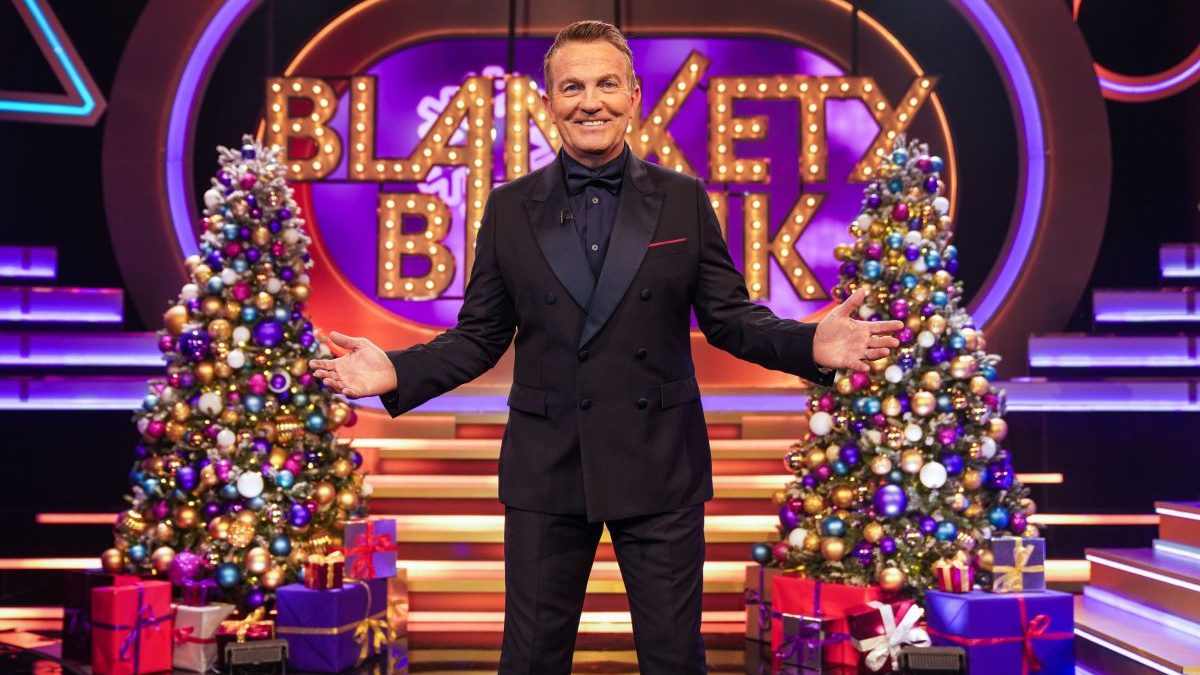
The BBC will be forced to axe more programmes as licence fee income continues to plummet and viewers turn to streaming rivals, a report has found. The National Audit Office (NAO) said the BBC could be forced to close more channels and cut further shows in order to hit a £500m savings target. The next round of cuts will be more noticeable to audiences, the NAO warned, because the BBC has already found most of the productivity and efficiency savings it can make before having to eat into programme budgets. Licence fee down 26 per cent The NAO reported that the BBC’s licence fee income slumped by 26 per cent in real terms, or £1.3bn, between 2016-17 and 2025-26. The decline was due to a licence fee freeze under the last Conservative government and the loss of 3 million paying households over the past decade. The BBC has axed 20 shows since the Summer, from Blankety Blank and Winterwatch, to Radio 4 favourites like You and Yours, the NAO said, as the corporation bids to fill the licence fee funding gap through its £500m savings drive. Additionally, the BBC Three youth channel, BBC Scotland and Radio 4 Extra archive station will close and become online-only next year. ‘Channels could close’ However, the NAO said these measures alone may not be enough to put the BBC’s finances on a secure footing. “The BBC’s plans could include reduced and delayed commissioning, closure of some linear channels, and reductions to news and nations programming,” the report found, adding: “Audiences are more likely to notice the changes.” Cost-saving measures which could be put back on the table include closing BBC Four and merging its content with BBC Two, as well as shuttering CBBC as a broadcast channel as children’s viewing moves on-demand to iPlayer and YouTube. The NAO also found that younger viewers “favour watching subscription video-on-demand services and video-sharing platforms, such as YouTube, Netflix and Disney+, over traditional broadcaster TV.” The proportion of UK adults using BBC television, iPlayer, radio or online services on an average week fell from 90 per cent in 2021-22 to 81 per cent in 2025-26, the report said. BBC insiders say moving viewers from traditional channels like BBC One to iPlayer is crucial for its future. Director-General Matt Brittin has ordered an overhaul of the iPlayer, with a new AI feature making it easier to find programme recommendations. BBC will take ‘tough decisions’ The number of accounts using iPlayer on an average week increased from 12.1 million in 2021-22 to 15.4 million in 2025-26, the NAO said. Berangere Michel, the BBC’s group chief financial officer, said: “The BBC must respond to significant cost pressures while reinventing for a changing world. This continues to require tough decisions, while ensuring that the impacts on audiences and colleagues are minimised.” Ministers will set out plans to reform the licence fee in a White Paper due to be published before Christmas. Options include a broadband levy and asking subscribers to streaming platforms to pay a surcharge to fund the BBC. Licence fee ‘not sustainable’ – BBC The BBC said that despite intensifying competition, it “remains the UK’s number one media provider overall, reaching 94 per cent of adults each month.” The BBC has “consistently argued that the current funding model is not sustainable and needs reform”, Michel said. The report also raised concerns about the BBC’s risk management and governance arrangements, and said that stronger oversight would be needed to deliver the more demanding savings programme. Meanwhile, Ofcom’s annual report into the BBC, published on Thursday, warned that the “BBC must balance transformation and savings, with delivering for audiences.” Ofcom has told the BBC to “set out how it will deliver the savings and assess the impact on audiences, stressing the importance of protecting distinctive content, trusted news and services that connect with audiences across the UK.” The Ofcom report found that eight in 10 UK adults (80 per cent) say they use BBC services each week and views of BBC videos on YouTube saw a 21 per cent increase in the past year. Sir Geoffrey Clifton-Brown, Chair of the Commons Committee of Public Accounts said: “With finances under sustained pressure, including from falling licence fee income, and at least £500m in further annual savings needed by March 2029, the choices for the BBC ahead will be harder and more noticeable to audiences. “It cannot measure its success by achieving the savings alone; it must also deliver tangible value for licence fee payers while maintaining its public service remit.”
The BBC’s new licence fee problem that could see more TV shows cut
Full Article
Original Source
Read the full article at Inews →KhanList aggregates and links to publicly available news content. We do not host full articles from third-party sources. Always verify important information with original sources.