
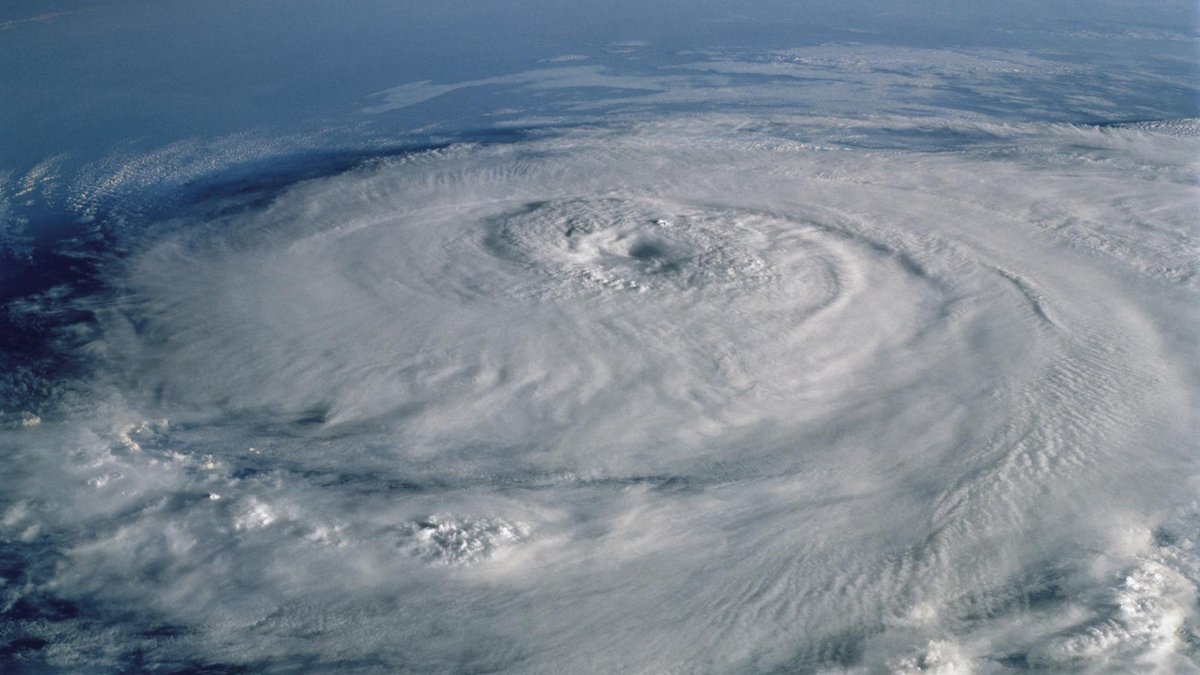
September 30, 20263 min read Add Us On GoogleAdd SciAmEl Niño has stymied storm formation even more than forecasters expectedHurricane Elena is seen from the space shuttle Discovery in 1985. NASAWe’ve never had an Atlantic hurricane season without a single hurricane through the end of September since reliable records began—until now.That fact underscores how remarkable this season has been, with an exceptionally strong El Niño—likely to become the biggest in living memory—keeping a lid on tropical cyclone activity in the Atlantic while supercharging it in the eastern Pacific (and giving Hawaii one of its busiest seasons on record).“No hurricanes through September is unprecedented in the modern record, and it’s a little surreal to look at the maps every day this month and see the deep tropics basically shut off,” says meteorologist Michael Lowry.On supporting science journalismIf you're enjoying this article, consider supporting our award-winning journalism by subscribing. By purchasing a subscription you are helping to ensure the future of impactful stories about the discoveries and ideas shaping our world today.There isn’t a single other hurricane season in the reliable records where there wasn’t at least one hurricane from sometime between the June 1 start of the season and the end of September. The lack of any hurricanes so far this season is particularly jarring because September is usually when tropical cyclone activity peaks in the Atlantic: at that time, ocean waters have become plenty warm after summer, and the cross-cutting winds that can stymie storms tend to relax.Though ocean waters across the Atlantic are amply warm right now, those cross-cutting winds—known as wind shear—aren’t abating. That’s thanks to El Niño. This cyclical climate phenomenon happens because of an eastward shift in warm ocean waters in the Pacific, although it has worldwide effects on the weather. The movement of warm waters, in turn, changes where heat enters the atmosphere, which alters the motions of atmospheric currents. In the Atlantic, that means there is more wind shear and air that pushes downward, both of which stymie cyclone development.It’s possible the new record low for Atlantic hurricane activity could be overturned later. As Lowry wrote in his blog, Tropical Storm Fay, which began as a tropical depression far out in the Atlantic on September 19, came close to reaching the hurricane threshold of 74-mile-per-hour winds, and one satellite estimate measured winds of 84 mph on September 20. But that method of measuring winds tends to produce falsely high readings, Lowry notes. The National Hurricane Center will examine the data more closely after the season to see if it needs to revise Fay’s status to that of a hurricane.If Fay is designated as a hurricane, it would still set the mark for the latest hurricane formation ever in the Atlantic in reliable records. Either way, this has been a hurricane season unlike any Lowry can recall.“We expected a notably down year, activity-wise, across the Atlantic due primarily to the record-setting El Niño. But none of us in the hurricane space could’ve confidently predicted it’d be this dead through September,” Lowry says.As we move away from the peak of the season, it becomes harder for hurricanes to spin up. So, assuming Fay doesn’t get the hurricane nod later, we could potentially go the rest of the season—until November 30—without a hurricane. That’s never happened before in modern history, but if it did, this would be one of the likeliest seasons for it to occur.As disorienting as the current weather is, it’s a relief to communities that have been hard-hit in recent years. “After a decade of active to hyperactive hurricane seasons with some of our costliest and deadliest U.S. hurricanes,” Lowry says, “this is one record I’m relieved to see!”Subscribe to Support Independent JournalismGreat science journalism requires human expertise, time, effort and creativity. And it costs money. That’s why I and the journalists here at Scientific American hope you’ll join our community.When you subscribe, you are supporting staff and freelance journalists who are passionate about telling science stories that are true, important and compelling. Our editors and reporters are often experts in their fields, which means they understand the nuances of big discoveries and can untangle the breakthroughs from the hype. With a subscription, you are also supporting rigorous fact-checking to ensure the words we publish are precise and accurate. And you’re supporting original illustrations, graphics and photos that bring you closer to an advanced laboratory, an ice sheet in Antarctica or a space mission in orbit. You’re helping us craft other types of high-quality journalism as well: Our newsletters are carefully written, edited and curated by staffers you have or will come to know and love. Our Science Quickly podcast is based on original reporting, collaboration with editors and scientists and exacting production.Subscriptions keep this engine running so we can continue to deliver thoughtful, rigorous and independent science journalism to you. In an era of viral misinformation, this work is crucial. If you value what we do, I hope you’ll consider joining us as a subscriber
The Atlantic hurricane season has been so quiet it’s unprecedented
Full Article
Original Source
Read the full article at Scientificamerican →KhanList aggregates and links to publicly available news content. We do not host full articles from third-party sources. Always verify important information with original sources.