
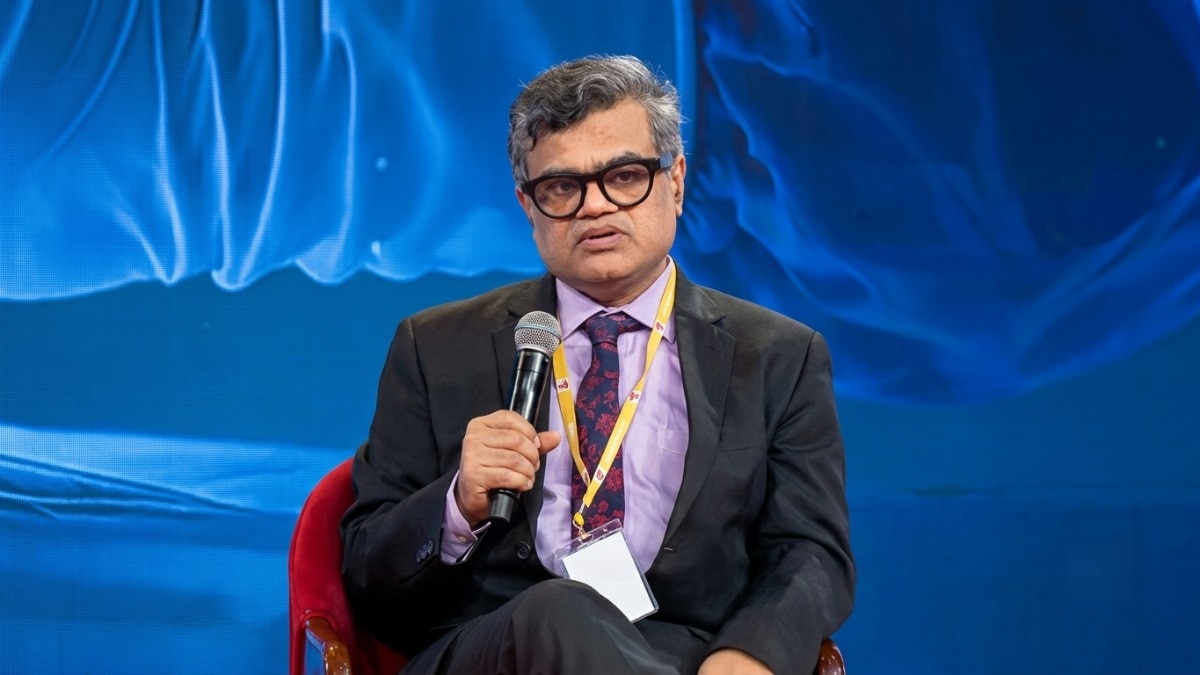
Dr Anshuman Kaushal, known online as 'The Angry Doc', explains at the India Today Health Wealth Conclave 2026 why he is fighting health misinformation, how Instagram and Google shape patients' first medical consultations, why AI cannot replace doctors' judgement, and why evidence-based health content, transparency and trust matter in the digital age.Dr Anshuman Kaushal, known online as ‘The Angry Doc’, explains at the India Today Health Wealth Conclave 2026 why he is fighting health misinformation and more.New Delhi,Oct 29, 2026 18:53 ISTA doctor’s anger can mean different things. For Dr Anshuman Kaushal, robotic gastrointestinal and bariatric surgeon and obesity expert, it is directed at those who sell fear, spread medical misinformation and profit from patients’ desperation.Known online as ‘The Angry Doc’, Kaushal says his anger is not directed at patients but at people who exploit their fears to build a business.The conversation took place during the session titled ‘Doctor vs Internet Education’ on Day 1 of the India Today Health Wealth Conclave 2026.WHY HE BECAME ‘THE ANGRY DOC’Kaushal traces the name to an incident in a hospital cafeteria. He had received a call about a former patient whose breast cancer had progressed. He had examined the patient three months earlier and recommended further testing because he suspected cancer. The patient, however, sought alternative treatment elsewhere, and the disease subsequently spread. The incident left him angry. People sitting nearby noticed his reaction and called him ‘The Angry Doc’. The name stayed.For Kaushal, the anger has a larger purpose. During his postgraduate training at a government hospital, he saw patients struggling financially while spending money on expensive foods for nutrition. “I used to tell them, have chana, eat sattu, eat eggs. You will get the same amount of protein,” he recalled.“That anger is against people who sell fear and build a business out of it.”YOUR FIRST CONSULTATION MAY BE ON INSTAGRAMKaushal believes doctors can no longer ignore social media because patients increasingly turn to the internet before seeking medical advice.“Now, people's first OPD, their first consultation, happens on Instagram or Google,” he said.He explained that someone who discovers a breast lump may immediately search online. The algorithm then starts feeding them related content. If that content contains false claims, exaggerated promises or fearmongering, it can influence their medical decisions.The transcript cites a survey suggesting that around 72 per cent of people turn to Google or Instagram for health information.“The health content industry is expanding just like the health industry,” Kaushal said, adding that health content remains less regulated than medical practice.His prescription is straightforward: “Evidence-based without an agenda is the need of the hour.”Doctors must educate people without using medical content to push products, solicit patients or conceal commercial interests.PATIENTS AND DOCTORS MUST WORK AS PARTNERSKaushal does not believe patients should be discouraged from researching their conditions online. In fact, he welcomes it.“There is no shortage of information. The problem is credibility, and finding someone who can take responsibility,” he said.He encourages patients to explain what they have read and, more importantly, what they fear. That opens the door to a better conversation about their symptoms, treatment choices, financial constraints and family circumstances.The relationship, he said, is changing from a doctor giving instructions to a patient following them to something more collaborative.“It's more of a partnership.”He believes Gen Z, in particular, wants transparency, evidence-based information, accountability and credible answers from medical professionals.CAN CHATGPT HELP WITH YOUR HEALTH?Kaushal sees artificial intelligence as an inevitable part of healthcare. The question, he said, is how people use it.AI tools can help patients organise medical histories, summarise investigations and present information clearly to doctors. This can save time during consultations.But using AI to decide what disease someone has or which treatment they need is a different matter.A headache, for instance, could produce a list of frightening possibilities when entered into an AI chatbot, even when the cause is relatively routine. A doctor must interpret the information in context.“We need to understand how these apps can help,” he said.AI can offer options, but it cannot take responsibility for the final decision. “The power of judgement is only with doctors,” Kaushal said, emphasising that clinical context, accountability and trust remain essential.DOCTORS SHOULD HAVE NO HIDDEN AGENDA ONLINEKaushal writes his own social media scripts. He credits his grandfather, a lyricist and theatre artist, with helping him appreciate the power of words and storytelling.His videos combine emotion, satire and medical information, but he draws a line at misleading claims made merely to attract attention.“Doctors should not have a hidden agenda on social media,” is the principle behind his approach.He also believes physical and emotional health cannot be separated. Patients often arrive carrying anxiety about their diagnosis, treatment, family responsibilities and recovery. Doctors must address those concerns alongside the medical problem.“Information is abundant, but there is a lack of credibility now,” he said.For Kaushal, the solution requires doctors, patients and digital platforms to take responsibility. People must check qualifications, watch for commercial interests and question claims that promise guaranteed cures without explaining risks.Ultimately, he wants a society that questions what it sees rather than accepting every viral health claim at face value.“There should be a scientific temperament in society. People should examine.” - Ends
The anger is not against the patient: The Angry Doc on health misinformation online
Full Article
Original Source
Read the full article at Indiatoday →KhanList aggregates and links to publicly available news content. We do not host full articles from third-party sources. Always verify important information with original sources.