
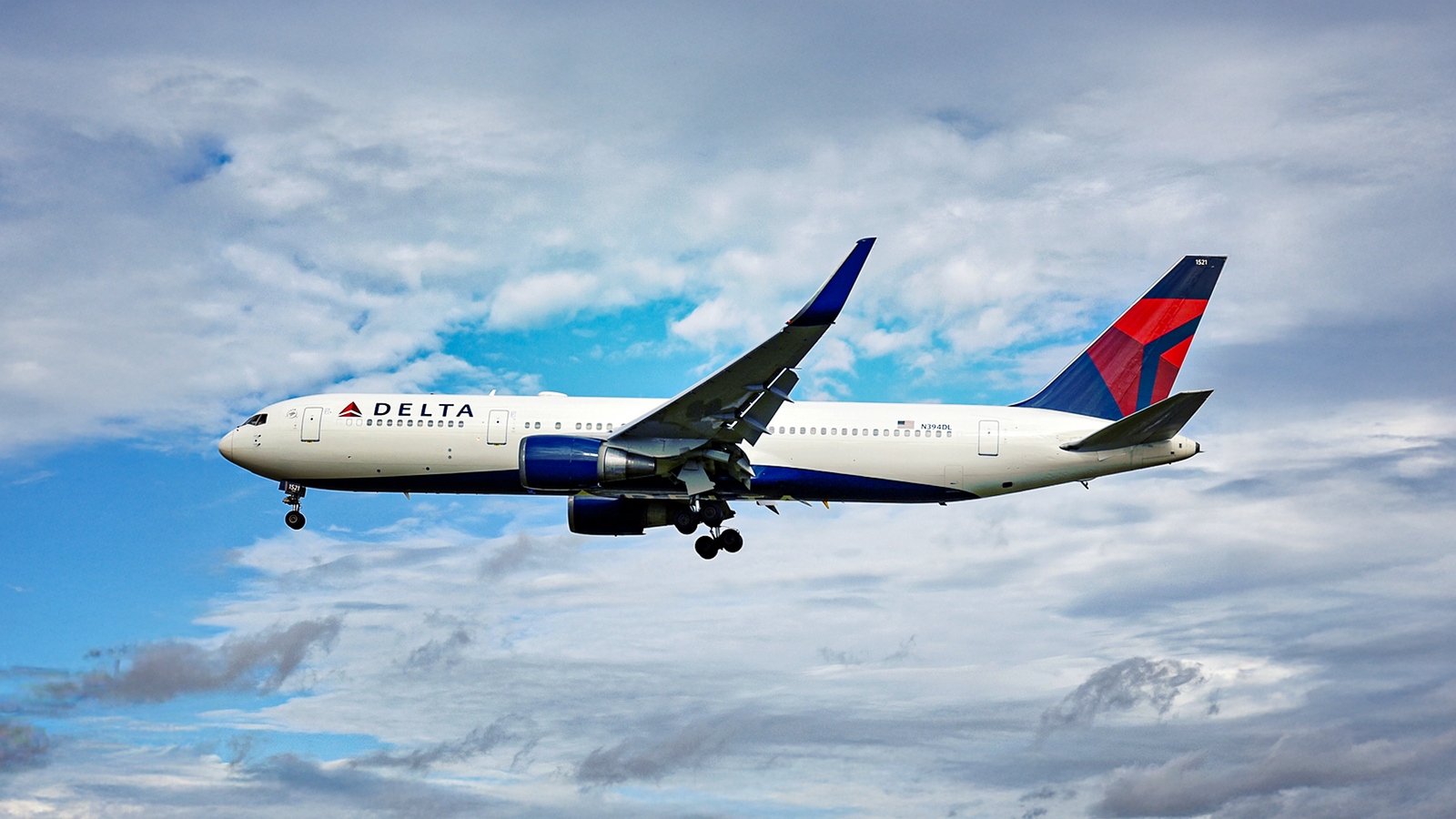
Published Oct 26, 2026, 12:00 PM EDT Passionate about promoting aviation, the beauty of flight and the science behind it, Antonio is an avid reader of aviation magazines and books, and he loves visiting airshows all over the world, taking photos and writing about airplanes and helicopters as well. He is currently based in Palermo, Sicily. Delta Air Lines' Boeing 767 era is winding down, and no single aircraft is capable of filling the gap. The 757, the 767-300ER, the 767-400ER and the now-retired 777-200LR each did a different job, so each gets a different answer from Delta. That matters most on transcontinental routes, where seat count and cabin layout determine how many passengers the airline can carry and how much premium space it can sell. Get the match wrong, and the airline either leaves money on the table or leaves passengers behind. That is the puzzle Delta faces as its older jets age out, and the answer isn't a single aircraft. The Airbus A321neo is taking over some of the work flown today by the 757 and 767. The A330-900neo is the one to watch for the 767-400ER. The 787 Dreamliner is the closest size match to the 767-300ER, though it might take longer to introduce this type into service. Meanwhile, the A350 has already picked up the long-haul role Delta's 777s used to fill. Go through the aircraft one by one, and it becomes clear why the A321neo can't be a universal replacement. One route in particular shows how hard this balancing act really is, and it's worth sticking around to see why. Delta's 767 Replacement Plan Has Several Parts Credit: Insectworld | Shutterstock The retirement timetable is the simplest piece of the story, and it sets the clock for everything else. AirlineGeeks reported that Delta president Glen Hauenstein said on the fourth-quarter 2023 earnings call that the carrier intended to remove the 767-300ER from international long-haul flying by 2028 and retire it entirely by 2030. Simple Flying has also examined the challenges facing the phaseout, including the aircraft's age and the scale of the task ahead. Whatever replaces these jets has to arrive on time and in the right numbers. What replaces each type is far less tidy, and the differences matter. Delta's 757 replacement plan centers on the A321neo, but the airline has not selected the longer-range A321XLR. That limits the missions the A321neo can cover and leaves some routes better suited to an A330. The 767-300ER is a different case: the Boeing 787 is the closest capacity match, while the A330neo is the more relevant successor to the larger 767-400ER. These comparisons describe aircraft roles central to Delta’s strategy. The fleet's history matters here too. Delta has already retired its 777s, with the A350 now serving the same broad long-haul purpose. That change is part of a wider reshuffling of widebody flying, but it isn't a direct replacement for every 767 variant. Which brings us to the narrowbody piece of the plan, and to an aircraft that arrived later than anyone expected. Why Delta's Premium A321neo Arrived Late Delta's specially configured A321neos, known internally as the "3NF," are designed for premium-heavy transcontinental flights. The airline planned a subfleet of 21 aircraft, with entry into service originally expected in 2024. As Simple Flying reported on the problems Delta encountered replacing the 757, certification issues pushed the timeline back to 2026. That two-year slip matters, because the 757 and 767 still have work to do in the meantime. The 3NF is important, but its role has limits built into the cabin. A premium-heavy layout gives Delta more room to sell higher-fare seats on selected routes, but it leaves less space for total passenger capacity than a denser layout. The A321neo can therefore replace a 757 on suitable missions and take over some 767 routes, but it cannot provide the same capacity as a widebody on every flight. That compromise is the price of a cabin built to sell premium fares. Length alone doesn't determine how many seats an airline installs, but the size gap between these aircraft is hard to miss. The table below compares the basic size of the A321neo with the two 767 variants. That size gap is why the 3NF should be seen as a targeted tool rather than a fleet-wide answer. It can serve routes where its range and cabin make sense, but the larger 767 missions require a different solution. Fortunately for Delta, plenty of larger aircraft are already on the way, and the numbers are bigger than you might expect. How The Widebody Fleet Is Changing Credit: Delta Air Lines Delta's long-haul transition is already well underway. The airline retired its Boeing 777s and now uses the Airbus A350 in their place. The A350 also supports a broader fleet renewal that gives Delta options as it reduces its reliance on older widebodies. Delta says it has 41 A350-900s in its fleet, with 18 more on order, and 20 A350-1000s scheduled to begin arriving in early 2027. Those numbers show where Delta is investing in long-haul. Further out, Delta has ordered 16 A330-900neos and 15 additional A350-900s, with deliveries expected to begin in 2029. Those aircraft aren't interchangeable in every respect, and their arrival dates alone don't determine which individual routes will change. They do, however, show the scale of the airline's widebody investment as it moves away from older aircraft. A commitment this large suggests Delta has a plan for where those aircraft will fly, even if it hasn't spelled out every route. The A350's role after the 777's retirement helps explain Delta's long-haul fleet direction. The next question is more specific: what happens to the 767-400ER, which has a different replacement path from the 767-300ER? The answer is already visible in the schedules, and the numbers are striking. The Airbus A330neo Is Central To The 767-400ER Replacement Credit: Joe A. Kunzler | Shutterstock Delta has already reduced the 767-400ER's presence on domestic routes. According to Simple Flying's analysis, domestic 767-400ER flying fell by 67% in the third quarter of 2026 compared with the same period a year earlier, from 1,040 round trips to 347. John F. Kennedy International Airport(JFK) to Los Angeles International Airport (LAX) remained the only domestic route flown by the type in that comparison. In other words, the type has been pushed back to a single domestic job. The A330neo is the aircraft to watch in the 767-400ER replacement story. The 767-400ER is larger than the 767-300ER, and treating both as if one narrowbody could replace them would obscure the capacity difference. Delta's A330neo fleet gives it a widebody option for missions that require more space than the A321neo can offer. Without a widebody like it, the larger jet's work would be hard to cover. Some passengers will be sorry to see it go, because the remaining transcontinental 767-400ERs have a cabin that can still appeal to premium travelers. One Mile At A Time described a 34-seat Delta One cabin in a 1-2-1 layout, with 18.5-inch (47-cm) touchscreens. He considered the 767-400ER substantially better than the 767-300ER, while noting that many Delta 767s are less well appointed. The reduction is significant, but it does not mean every 767-400ER will disappear immediately. It shows that Delta has already cut back the type's domestic deployment while the fleet transition continues. That one remaining route is also the hardest to give up, and the next section explains why. Why New York To Los Angeles Is A Difficult Route To Downsize Credit: Channing Reid | Simple Flying The JFK to LAX route highlights the trade-off between premium seating and total capacity better than any other. The route is about 2,475 miles (3,983 kilometers), and Delta has used widebodies there rather than relying on A321s. The original article's reported comparison puts Delta 10,000 to 15,000 passengers a month ahead of JetBlue Airways on the route, where JetBlue operates A321-family aircraft. That gap makes aircraft capacity a commercial issue, not just a question of cabin preference. Every seat that disappears is a seat Delta can no longer sell. Delta has also added more ways to sell premium seats. According to One Mile At A Time, the airline began offering Premium Select between New York and Los Angeles in September 2024, then extended it to selected New York to San Francisco flights from November 9, 2025. On these services, Delta can sell four distinct cabin products, each aimed at a different willingness to pay. Each cabin targets a different kind of traveler, which is exactly why seat layout matters so much. Cabin on a transcontinental 767 What it offers Delta One Lie-flat seats in a 1-2-1 layout Premium Select Premium economy, with hot meals and complimentary drinks Comfort+ Extra legroom Main Cabin Standard economy in a 2-3-2 layout A premium-heavy A321neo can offer an attractive product, but it cannot reproduce the total cabin capacity of a widebody simply by matching its premium seats. Delta must decide where premium revenue matters most, where seat count matters more, and where an A330 fits better than a narrowbody. How it makes those calls will shape everything that follows, which is what the final section looks at. What To Watch As Delta Retires Its Older Aircraft Credit: The Global Guy | Shutterstock The next milestones won't all arrive at once. The 3NF's entry into service will show how Delta deploys its premium A321neos on routes currently served by 757s and some 767s. The A330neo is the key aircraft to follow in the 767-400ER transition. For the 767-300ER, the 787 remains the closest capacity comparison, but Delta ordered 30 higher-capacity 787-10s, as Boeing announcedon January 13, 2026,with options for 30 additional aircraft that are also a valid alternative to a bigger 767-400ER. The A350, meanwhile, has already assumed the broad long-haul role once the 777 filled it. Each thread moves on its own schedule, so the full picture will take time to emerge. That's why it pays to follow each aircraft separately. For travelers, the most visible changes will be aircraft swaps and new cabin layouts, especially on transcontinental routes. For Delta, the challenge is matching the right aircraft for each market without giving up too many seats or the premium products that help make those flights profitable. Rather than expecting one aircraft to replace the entire 767 fleet, watch how Delta assigns the A321neo, the A330neo, and its other widebodies to individual routes. Those decisions will show how the airline intends to balance capacity, range, and premium demand as its older jets leave service. The next time a flight you booked shows a different aircraft, you'll know why.
The Aircraft Replacing Delta Air Lines' Aging Boeing 767-300ER Transcontinental Fleet
Full Article
Original Source
Read the full article at Simpleflying →KhanList aggregates and links to publicly available news content. We do not host full articles from third-party sources. Always verify important information with original sources.