
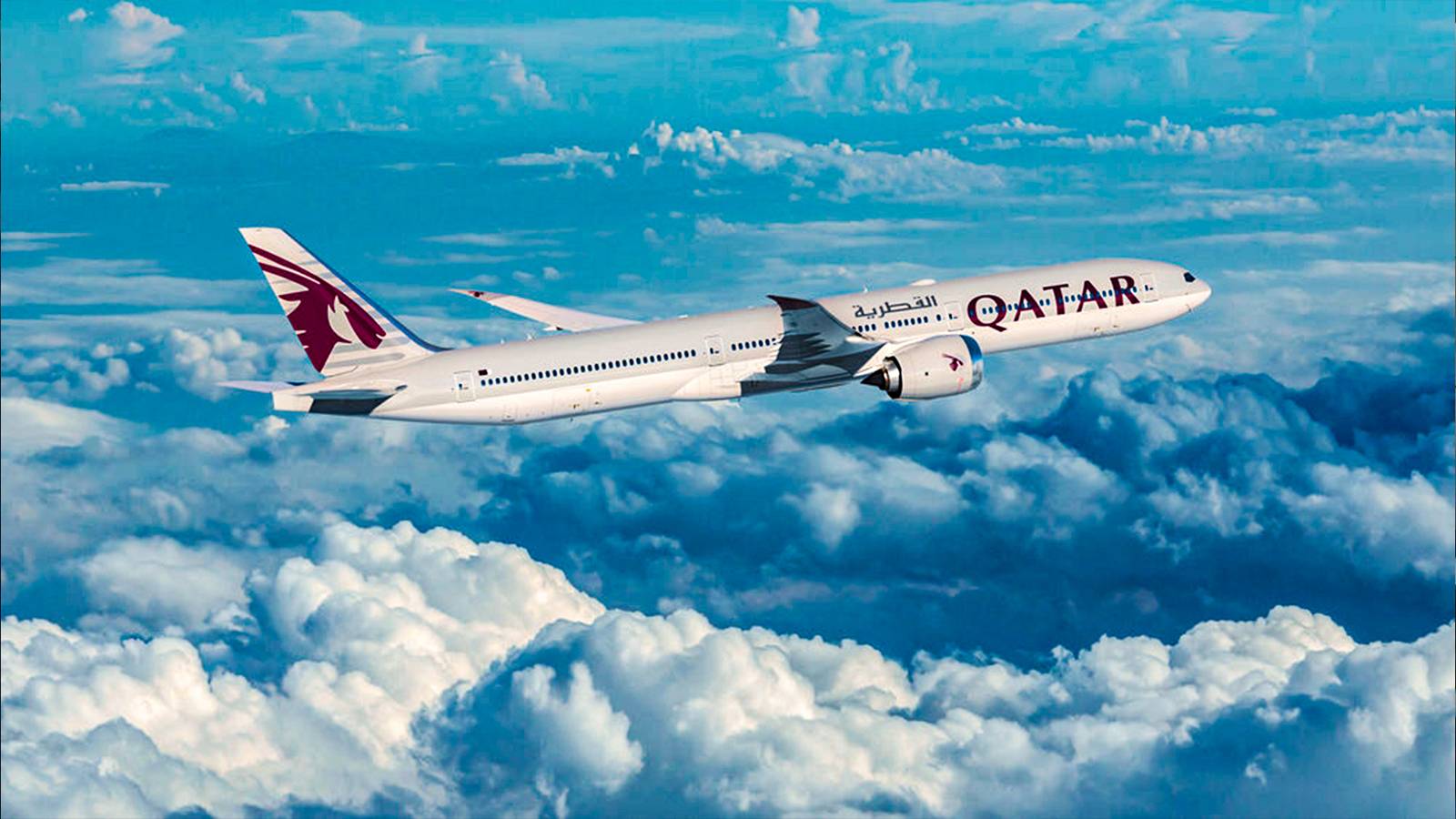
Published Sep 27, 2026, 6:00 PM EDT Jack comes to Simple Flying with a lifelong interest in all things aviation. He holds a degree in Aerospace Engineering from Georgia Tech, and is a certified private and remote pilot. Beyond these experiences, Jack previously worked for a corporate flight department where he gained first-hand experience in the world of business aviation. Currently, Jack works in the professional services industry and continues to build his flight hours outside of work. Qatar Airways is preparing to introduce Qsuite Next Gen on an Airbus A350-1000 in the second half of 2026, rather than on the Boeing 777-9 for which the premium cabin was originally conceived. The change follows continuing delays to Boeing’s 777X program, with first 777-9 deliveries now expected in 2027. Industry reporting indicates that Qatar has adapted its rollout plan so the redesigned business class product can enter service before the delayed Boeing aircraft become available. Qatar has not publicly announced a specific launch route or inaugural date for the A350-1000, making the second-half 2026 timetable a reported target rather than a confirmed schedule. The platform change alters the story behind Qatar’s next flagship cabin. Qsuite Next Gen was unveiled at the 2024 Farnborough International Airshow with a 23-inch-wide seat, a 100-inch pitch, larger lie-flat space, movable 4K OLED displays, and flexible arrangements for passengers traveling together. Qatar originally linked the product closely to its 777-9 program, but the A350-1000 will now provide the first operational platform. The timing also places the new cabin within a broader global premium network as Qatar seeks to maintain its position after winning Skytrax’s World’s Best Business Class award in 2025. The 777-9 Delay Changed The Launch Sequence Credit: Falcons Spotters | Shutterstock As stated, Qatar Airways originally planned Qsuite Next Gen around the Boeing 777-9. At Farnborough in July 2024, the airline announced that the new cabin would feature on additional 777-9 aircraft, including 20 jets added to its order that brought its total Boeing 777X commercial and cargo commitment to 94 aircraft. The announcement also included 40 additional GE9X engines and a long-term services agreement. The 777X program has since moved beyond the schedule Qatar was working with when the cabin was unveiled. Boeing has delayed first deliveries into 2027 as the program progresses through certification and production changes. That creates a straightforward product-planning problem for Qatar. Waiting for the 777-9 would delay the new cabin, while adapting it for another aircraft allows the airline to introduce its redesigned business class earlier. The A350-1000 provides a logical alternative because Qatar already operates the aircraft on long-haul routes and continues to include additional A350-1000s in its future fleet plans. Qatar Civil Aviation Authority said in September that the airline expects 138 new aircraft over five years, including A350-1000s, 777-9s, and aircraft equipped with the next-generation Qsuite. This means the A350-1000 is not replacing the 777-9 as the intended home for Qsuite Next Gen. Instead, the launch sequence has been separated from Boeing’s delivery schedule. Qatar can begin operating the cabin, train crews, gather passenger feedback, and refine its procedures before the 777-9 eventually joins the fleet. New Suite Expands The Original Qsuite Concept Credit: Qatar Airways Qsuite Next Gen retains the defining idea behind Qatar’s original product, but increases both physical space and flexibility. The seat measures 23 inches (58.42 cm) wide in its upright position, while pitch reaches 100 inches (254 cm). The lie-flat bed is also wider, giving passengers more room around the shoulders and hips when sleeping. The largest technological change is the Panasonic Astrova 4K OLED entertainment display. Unlike a conventional fixed screen, the Next Gen monitor can move aside, opening the space between passengers. Qatar designed the system, so travelers can create larger shared areas without permanently giving up individual privacy. That flexibility extends to the Companion Suite and Quad Suite. The Companion Suite is intended for two passengers, while the central Quad Suite can accommodate groups of four. Taller dividers can be adjusted to provide additional privacy, while the central arrangement can be opened for face-to-face dining and socializing. Qatar has also added a dedicated “Make My Bed” function to its turndown service. The cabin's technology extends beyond entertainment. Qatar has highlighted wireless charging, USB-C connectivity, touchscreen passenger controls, digitally controlled privacy features, and lockable storage. The result is a business class environment designed to change according to how passengers use it during a flight, rather than remaining fixed from takeoff to landing. That approach is particularly relevant for couples, families, and colleagues. A passenger can use the suite privately for work or sleep, while travelers sitting together can open the space when they want to dine or interact. Why The A350-1000 Is A Practical First Platform Credit: Lukas Wunderlich | Shutterstock Putting Qsuite Next Gen on the A350-1000 allows Qatar to introduce the product without waiting for the 777X production system to mature. The initial rollout is likely to be limited. A new premium cabin requires installation, certification, crew familiarization, maintenance planning, and operational preparation. Introducing the product on one aircraft type does not mean that Qatar's entire business class fleet will immediately receive it. The existing Qsuite will therefore remain part of Qatar's network for some time. The original product is installed across portions of the carrier's Boeing 777-300ER, Boeing 777-200LR, and Airbus A350-900 fleets, while other aircraft have different business class configurations. The arrival of Next Gen will add another layer to that existing variation. For passengers, aircraft assignment will become more consequential once the new cabin begins flying. A Qatar Airways ticket will not automatically guarantee Qsuite Next Gen, particularly during the early rollout. The specific aircraft and cabin shown when booking will determine which product is actually available. For Qatar, meanwhile, the A350-1000 offers a useful bridge to the 777-9. The airline can establish the new cabin as an operating product before Boeing's aircraft arrives, reducing the number of new variables introduced when the 777X finally enters service. Launch Coincides With Qatar's Network Expansion Credit: GagliardiPhotography | Shutterstock Qsuite Next Gen is arriving as Qatar Airways continues rebuilding and expanding its international network. In July 2026, the airline resumed Doha-Helsinki service with four weekly flights, increasing the route to daily operations from August 1. Tokyo-Haneda (HND) also returned with four weekly flights and became daily from August 1. The additions strengthen Doha's position as a connecting point between Europe, Asia, the Middle East, Africa, and Australia. Qatar said it would serve more than 160 destinations during the 2026 summer season, followed by more than 170 during the 2026-27 winter schedule. The broader fleet plan provides another reason for the timing. Qatar is expecting substantial aircraft growth over the next five years, creating more opportunities to deploy a premium product across long-haul markets. The A350-1000 is already an established part of that strategy, while the 777-9 represents a future stage of the fleet's development. For Qsuite Next Gen, route selection could ultimately be more revealing than the identity of the first aircraft. Qatar's longest and most premium-focused markets provide the greatest opportunity to showcase a cabin built around privacy, sleeping space, and social arrangements. The first deployment will therefore offer an early indication of how the airline intends to position its new business class product. Qatar Is Updating Its Cabin As Premium Competition Evolves Credit: Qatar Airways Qsuite Next Gen enters service after Qatar retained Skytrax's World’s Best Business Class title at the 2025 World Airline Awards. The Qsuite itself also won the organization's award for World's Best Business Class seat. Singapore Airlines and ANA were among the other highly placed carriers in the business class category. That competitive environment has evolved considerably since Qatar introduced the original Qsuite in 2017. Enclosed business class seating has become more widespread, while airlines have continued investing in larger suites, privacy doors, improved entertainment, and more flexible cabin layouts. Qatar's answer is not simply to make every seat a larger private room. Qsuite Next Gen preserves the original product's unusual emphasis on shared space. The Companion Suite and Quad Suite give passengers options that most individual business class suites cannot provide, while the movable screens allow that space to be opened without abandoning the private-suite concept. The 777-9 will eventually remain an important part of the strategy. Qatar has a substantial commitment to the aircraft, and its original Qsuite Next Gen announcement specifically connected the product with the type. Once deliveries begin, the 777-9 should provide another platform for the cabin rather than replacing the A350-1000 rollout. That creates a two-stage introduction: the A350-1000 can establish the product in service first, while the 777-9 can extend it into the next phase of Qatar's fleet renewal. The A350-1000 Could Shape The Product Before The 777-9 Arrives The irony of Qsuite Next Gen is that the aircraft Qatar designed it around has become the aircraft it must wait for. The 777-9 was intended to provide the natural stage for the new cabin, but Boeing's delayed program has pushed Qatar toward the A350-1000 for its initial introduction. The change could ultimately prove significant beyond the launch date. An earlier A350-1000 debut gives Qatar time to collect operational data, evaluate the movable-screen and flexible-suite systems, and determine where passengers make the greatest use of the new configuration. Those lessons can then inform later installations on both A350-1000s and 777-9s. By the time Boeing's new flagship finally enters Qatar's fleet, Qsuite Next Gen may no longer be an untested product. It could already have an established operating history, a clearer route strategy, and refinements based on real passenger use. The A350-1000, therefore, is more than a temporary substitute for the delayed 777-9. It may become the aircraft that establishes what Qatar Airways expects its next generation of premium travel to look like before the Boeing aircraft ever carries its first Qsuite Next Gen passengers.
The Aircraft Qatar Airways Designed Qsuite Next Gen Around Will Not Be The One To Fly It 1st
Full Article
Original Source
Read the full article at Simpleflying →KhanList aggregates and links to publicly available news content. We do not host full articles from third-party sources. Always verify important information with original sources.