
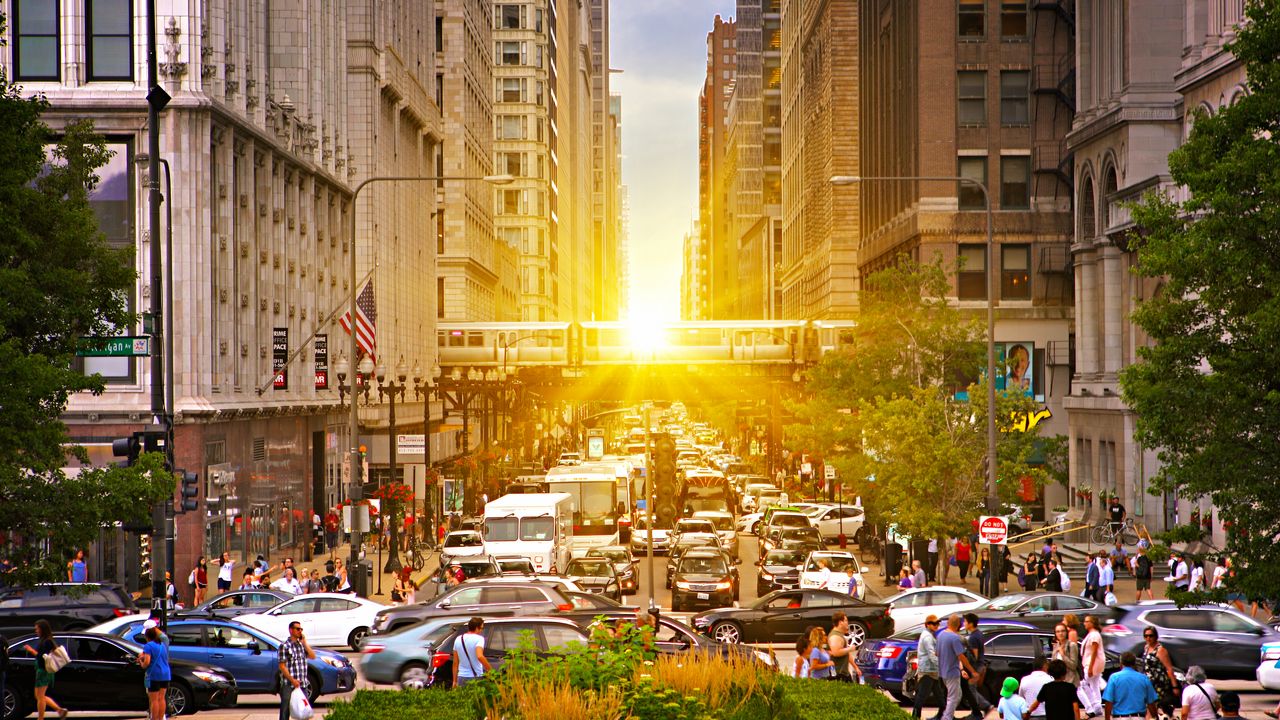
Anyone who’s been to the pump lately could appreciate a little less reliance on cars. And while life in the most walkable cities in the US can mean saving on gas (not to mention car insurance, parking, and potential parking tickets), getting around on foot isn’t only about your budget. Walkability “can benefit everything from household finances and health to the environment and overall quality of life,” says Daryl Fairweather, chief economist at Redfin, which has been following and analyzing walkability for years with their Walk Score tool. “There’s also a housing-market component: People tend to value the convenience and access that comes with living in a walkable neighborhood, and that desirability can translate into high home values. Walkable neighborhoods also create more opportunities for people to interact with local businesses, use public spaces and resources, and connect with their neighbors,” says Fairweather.To determine the country’s most walkable cities, we’ve reviewed recent studies, like the one from Only in Your State, a travel and discovery platform, plus talked to realtors, residents, and tourism experts across the country.Hoboken, New JerseyHoboken is located on the banks of the Hudson River. Photo: Barry Winiker/Getty ImagesJust across the Hudson River from Manhattan, Hoboken is the most walkable city in the US, according to Only in Your State’s most recent analysis. The one-square-mile-city earned a nearly perfect Walk Score of 97, thanks to its dense street grid, many mixed-use buildings, and abundance of public transportation. Three other cities in the Garden State also cracked the list’s top 10: Union City, West New York, and Jersey City.2. West Hollywood, CaliforniaThough LA isn’t known for being particularly pedestrian friendly, West Hollywood remains a walkable enclave. Photo: Hal Bergman/Getty ImagesLos Angeles County isn’t known for its public transit, but even so, West Hollywood snagged the fourth spot in Only in Your State’s analysis, earning a Walk Score of 91. The city packs over 300 restaurants, bars, and coffee shops into just under two square miles. West Hollywood’s walkability is especially prized because the area is one of LA’s most vibrant nightlife districts, creating safe accessibility for revelers on the world-famous Sunset Strip.3. BostonIn addition to being one of the country’s oldest, Boston is also one of the most walkable cities. Photo: Sean Pavone/Getty Images“What makes Boston special is that every neighborhood has its own personality and you can experience so much of the city on foot,” says George Sarkis, CEO and cofounder of the Sarkis Team at Douglas Elliman. “You can walk from the historic brownstones of Beacon Hill to the boutiques and restaurants of Back Bay, through the Public Garden, and into the South End without ever feeling like you’re covering much ground.” Walking is the best way to truly enjoy all of the city’s historic sites, centuries-old architecture, and cobblestone streets.4. San FranciscoSan Francisco’s hilly landscape can turn a casual stroll into an all-in workout. Photo: Carlo Alberto Conti/Getty ImagesThis Bay Area city has one of the highest transit scores in the country, making it a breeze to go car-free. But for many locals—like Wendy Newman, a realtor with Wesely & Associates and a resident since 1987—walking is the real experience. “In one outing, you can buy groceries, stop for coffee, admire a Victorian’s unreasonable paint palette, nod at the neighbor whose face you know but whose name you still haven’t learned, and discover a bookstore you weren’t looking for,” she says. Plus, San Francisco’s mild climate makes taking a spin through neighborhoods like Chinatown and North Beach enjoyable year round.5. New YorkNew York City is built on a grid system, making it easy to navigate. Photo: Alexander Spatari/Getty ImagesJust about every expert we talked to mentioned NYC, a metropolis made for a good stroll. From the café-lined lanes of Little Italy to particularly scenic stretches like the East River Promenade and Brooklyn Bridge Park, the Big Apple is big on pedestrian access. And the city’s high walkability score has benefits beyond just saving on cab fare, points out Kate Wollman-Mahan, a real estate agent at Christie’s International Real Estate New York. “Life expectancy in New York City is five years longer than the national average, according to the city-run Health Dashboard and economist Jonathan Miller (82.3 years versus 77.3 years),” she says. “Walking is built into everyday life, from going out to coffee to running errands to walking in the park.”6. Washington, DCA stroll around DC can take pedestrians past national monuments and charming townhouses. Photo: Grace Cary/Getty ImagesAccording to Walk Score, a research platform that promotes walkability, DC has a walk score of 98. It's such a popular pedestrian playground that even local cultural institutions embed walking into their education approach. Take the Spy Museum, for example, which developed its own free walking tour because of the breadth of strolling space in the area and interest from both residents and tourists. “We send them around the National Mall and downtown area with espionage history that happened in those exact places throughout history,” says Aliza Bran, the museum’s director of media relations. Other particularly walkable neighborhoods include Dupont Circle, U Street, Capitol Hill, and Georgetown.7. ChicagoThe Windy City is a certified walking city. Photo: Getty ImagesThe Windy City tops the US ranking for walkability from Preply, a language learning marketplace that runs walkability studies across the US, Europe, and Asia. “You can walk between Chicago’s five most-visited attractions (the Art Institute, Millennium Park, Cloud Gate, the Chicago Architecture Center, and the Magnificent Mile) in 28 minutes, about 2,500 steps,” says Preply’s communications leader Madeline Enos.Sheldon Bishop, the founder of BrewAtlas, a guide to independent specialty coffee shops, argues that the best sign of a walkable neighborhood is a good cafe. And Chicago is particularly well caffeinated, thanks to 95 specialty cafes across 41 neighborhoods. “When people can walk to get coffee, they run into neighbors, stop into the bookstore next door, and spend money on the block instead of at a drive-thru,” he says.8. MiamiMiami is full of walkable pockets, according to local residents. Photo: Artur Debat/Getty ImagesFor Sandra Masis, director of sales at the residential building Arbor Coconut Grove, it’s neighborhoods like Coconut Grove that make Miami such a pedestrian-friendly city. “You can walk to restaurants, cafés, shops, parks, and the waterfront, all while enjoying the neighborhood’s lush greenery and relaxed atmosphere,” she says. “It has a sense of community that makes you want to get outside and explore.” And Miami’s newer developments, like Brickell, prioritize walkability as much as older neighborhoods like Coconut Grove and Little Havana. “Even in a city built around cars, you can create pockets where people can comfortably live, work, and socialize on foot,” says Masis.9. PhiladelphiaContemporary high-rises mingle with historic sites in Philadelphia. Photo: Ixefra/Getty ImagesEvery year GuruWalk, a platform for free tours, puts together a ranking of the best cities in the world to explore on foot. In their most recent study, NYC took the top spot among US cities, and Philadelphia came in just behind it. GuruWalk’s Carolina Martínez says that though Philly gets fewer visitors than other places on the list, those who explore it love it. “Philadelphia has a 4.99 average rating, with 99 percent of reviews at five stars,” she says. “Walk a few blocks through the historic district and you’re standing in front of Independence Hall and the Liberty Bell.” New Orleans, San Francisco, and Boston round out the top five.
The 9 Most Walkable Cities in the US
Full Article
Original Source
Read the full article at Architecturaldigest →KhanList aggregates and links to publicly available news content. We do not host full articles from third-party sources. Always verify important information with original sources.