
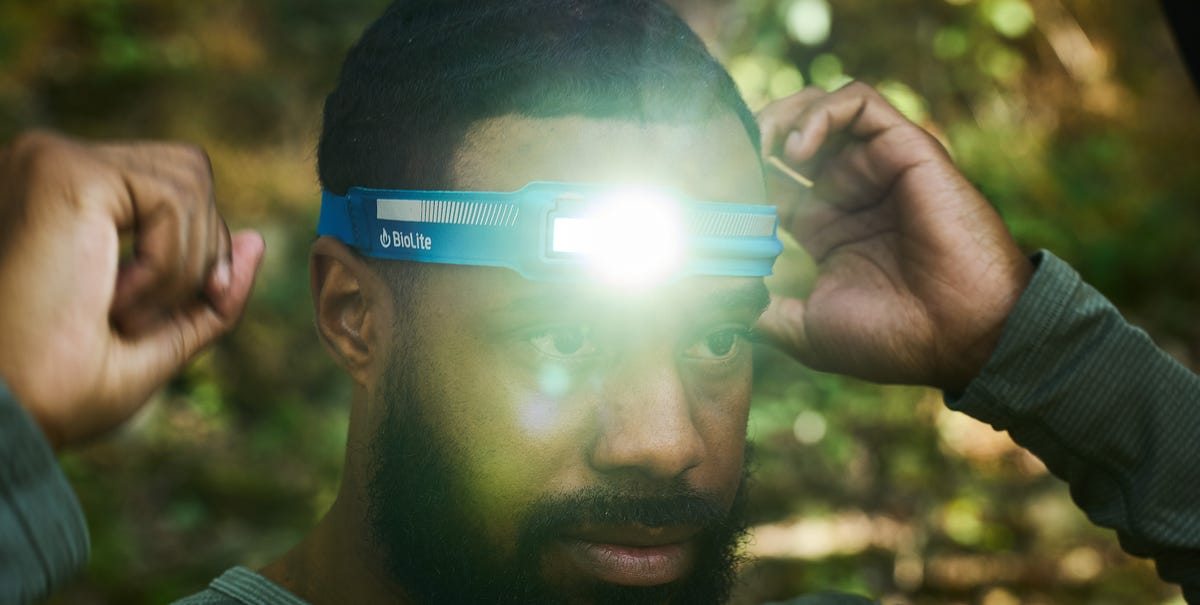
Running before sunrise has always been my favorite kind of solitude—the crisp air, your world reduced to breath and motion, and that small, bright circle of light guiding the path. Trouble is, not all headlamps are equal companions for those moments. Some bounce, some dim when you need them most, and some feel like you strapped a miner’s rig to your forehead.After years of chasing light through winter training runs, I can say this: the right headlamp isn’t just another piece of gear—it’s a safety essential and a quiet confidence booster. Whether you’re managing early morning tempo runs or logging your weekly long run through dusk, I’ve tested the brightest, lightest, and most comfortable contenders out there to help you find your perfect match.This guide pulls from years of real-world testing—trails, road miles, battery panic in 20-degree wind chills—and distills it into clear advice you can use before you buy.Best Headlamps for RunnersBest Overall: BioLite HeadLamp 800 ProBest Budget: Black Diamond Spot 400-RBest for Changing Lighting Conditions: Petzl Swift RLBest for Minimalists: Petzl Swift LTBest for Technical Trails: Fenix HM65R-T V2.0 Best for Rear Visibility: BioLite Dash 450Best for Overnight Racing: Black Diamond 1500How We TestedI’ve been covering endurance gear and running tech for over a decade—testing hydration vests in the Rockies, shoes in the Catskills, and headlamps in New York’s five boroughs. For this guide, I focused on hands-on daylight-to-dark testing across road and trail environments. Also, some of these headlamps were chosen by our other resident ultramarathoner, Pat Heine-Holmberg, who is frequently seen running in the pitch dark throughout the mountains of Europe.What We EvaluatedBounce while running: We looked for headlamps that stayed secure without constant readjustment during easy runs, speedwork, and technical descents.Long-run comfort: We wore each headlamp for extended runs to see whether pressure points, hot spots, or chafing developed over time.Beam quality: We evaluated how well each light illuminated roads and trails, paying attention to beam distance, peripheral visibility, and depth perception.Ease of use: We tested how simple it was to change brightness modes, lock controls, and operate buttons while wearing gloves or with cold, sweaty hands.Real-world battery performance: We considered how long each headlamp maintained usable brightness during actual runs rather than relying solely on manufacturer runtime claims.Weather resistance: We ran in rain, fog, humidity, and cold conditions to assess visibility, durability, and consistent performance in less-than-ideal weather.Full ReviewsProsBalanced designLong battery lifeComfortable strapUSB-C fast chargeConsBulkier sizeRear battery pack bulky with hatsPremium priceKey SpecsBest ForRoad runningBattery StyleRechargeableLumens800WeightWide, balanced strapStrap type5.3 ozThis lamp grabbed the best overall because of the combination of comfort, durability, brightness, and battery type. The 800 Pro hit the sweet spot on long runs. Its balanced front and rear design meant zero bounce, even during faster intervals. The sweat-wicking strap kept things comfy in muggy conditions. The beam-spread was both wide and focused, letting me scan the road ahead and side trails with ease.Fast USB-C charging was perfect for dark winter mornings where I forgot to recharge overnight—30 minutes got me through another 90-minute run. It’s bulkier than some, and the rear battery can press against hats, but the battery life was reliable and lasted through multiple workouts. The price is steep, yet you’re getting serious quality and durability for regular runners. The only reason mine died is because of heat damage from a melting battery near the lamp that happened ONLY because I used an aftermarket battery. I am repurchasing this one for sure.ProsAffordableTap controls RuggedLightweightConsLower max brightness Plain strap comfort Basic plastic build Key SpecsBest ForRoad runs, rail trails, fire trailsBattery StyleAAALumens400Strap typeClassic adjustable strapWeight2.7 ozIf you don’t need 800-plus lumens or ultramarathon battery life, the Black Diamond Spot 400-R gives you nearly everything most runners need at a much lower price.Black Diamond’s Spot 400-R is a favorite of Heine-Holmberg. It’s light enough that it never feels distracting, and the tap-sensitive controls let you adjust brightness mid-stride without having to fumble for buttons. The quality is solid—it will survive several drops and still work perfectly, though the plastic build doesn’t have the same premium feel as pricier models. Brightness is decent for daily roads and park runs, but you may find it a little lacking for really dark trail sections. With reliable charging and a simple, straightforward design, it’s perfect for beginners or anyone who values ease over bells and whistles.ProsAdaptive brightness Easy fit strapWater resistantLightweightConsBattery dies more quicklyFewer accessory optionsKey SpecsBest ForShorter night runsBattery StyleRechargeableLumens900Weight3 ozStrap typeOne-handed fit strapThe Petzl Swift RL is the headlamp to buy if your runs regularly transition between city streets, wooded trails, and changing terrain. On twisting trails, the headlamp switches modes automatically, and the lightweight one-handed fit is a major plus for on-the-fly adjustments. You can take it out in heavy drizzle, and its water resistance will hold up; it will never slip off or feel even remotely uncomfortable. I will say this one does get a bit warmer than others, and that battery doesn’t last as long as some due to the high lumens, but I still run with it often. (I also like it for cleaning under beds and other furniture. So bright!)The adaptive tech makes it a standout for anyone moving between road and trail. If you crave versatility and a sturdy, intelligent beam, this is one of the best.ProsLight and adjustableBright for the weightConsNot super long lastingKey SpecsBest ForRoad running, rail trail, fire roads, singletrack with fewer scramblesBattery StyleRechargeableLumens380Strap typeDual-adjustable single strapWeight1.52 ozThe Petzl Swift LT is the definition of ultra-minimalist, barely tipping the scale at just 1.2 ounces (35 grams). This headlamp fits into a jacket pocket or running belt with room to spare, making it my go-to for city runs, fastpacking, or as a backup light on longer trail outings. The single-button interface is intuitive, with three white light settings easily toggled: low (5 lm, 50 hours), standard (100 lm, 3 hours), and max (380 lm, 2 hours), as well as a red light for night vision and a red strobe for emergencies. The rubber cord strap is stable but can dig in if overtightened; it really shines for shorter runs and activities where weight and packability trump long runtime. The burn time on max is modest, but for shorter daily runs or to keep stashed in your vest, it’s an incredibly reliable, genuinely featherweight option.ProsSuper bright Durable magnesium build Multiple beam patterns Long runtime ConsHeavyPriceyInterface takes timeKey SpecsBest ForTechnical trailsBattery StyleRechargeable 18650 Li-ionLumens1600Weight4.5 ozStrap typeSport fit silicone strapThe Fenix HM65R-T V2.0 is a spotlight for serious night runs. Its power and beam distance are unmatched—you could light a whole forest trail. The wide strap stays put even without a cross strap. The new sport fit, silicone-based headband held tight during speedwork and didn’t pinch, but the weight was noticeable after the first hour. Its magnesium build is tough and shrugs off hard rain or accidental drops. Customizable beams let you switch for technical rocks versus open road, though learning the button system took time and patience on first use. For ultra races or backcountry adventures, few headlamps offer more certainty, provided you don’t mind the bulk.ProsLight and packableComfortable to wearBright and focusedConsCould have better battery lifeKey SpecsBest ForDrop kit ease, open trail, rail trail, fire roadsBattery StyleUSB-C rechargeableLumens325Weight1.69 ozStrap typeSingle adjusatableBlack Diamond’s Deploy 325 is a featherlight, low-profile running headlamp that virtually disappears on your forehead but still delivers up to 325 lumens for pre-dawn or after-dark miles. A slim housing, foam padding, and flexible wing band keep it stable and bounce-free, even on technical trails, while the compact shape fits easily under a hat or into a vest pocket. USB-C recharging and an IPX4 water-resistance rating make it a grab-and-go option for runners who want reliable light without bulk, though its shorter runtime and lack of extra features suit training runs more than all-night adventures.Black Diamond Deploy 325 ReviewProsDual battery systemEasy to adjustDoesn't pinch at allKey SpecsBest ForTechnical trails, hard scrambles, mountain runningBattery StyleHybrid rechargeable/AAALumens500Weight4.5 ozStrap typeAdjustable cross strapThe Black Diamond Sprinter 500 is a runner-focused headlamp built for serious pre-dawn and after-dark miles, with a bright 500-lumen beam and a rear red strobe for visibility in traffic. Its ultra-thin, balanced design spreads weight between front lamp and rear battery, while a perforated elastic band and optional top strap keep it stable over long runs. Dual-Fuel tech lets you use the included BD 1800 rechargeable battery or swap in AAA cells, and on-board USB charging plus PowerTap brightness control make it easy to top up and quickly boost light when you hit unlit roads or trails.Black Diamond Sprinter 500 ReviewProsMultiple adjustment pointsMinimal bounceGood battery lifeConsLimited broad scope lightKey SpecsBest ForRoad running, crowded trails, mixed-use trailsBattery Style3 hours at max, up to 60 at minimumLumens450Strap typeSingle adjustableWeight2.75 ozI’ve been running with the BioLite Dash 450 for early mornings and post-work miles, and it’s become one of my faves for easy pace miles. At 450 lumens, it’s bright enough to clearly light dark roads and wooded paths, with a focused beam that reaches far ahead without feeling harsh, though, my dog isn’t a huge fan when he accidentally stares into the gleam. The slim, moisture-wicking band sits comfortably and doesn’t bounce, even during some light tempo efforts, and that’s largely due to the overall adjustability of it. It has multiple points of adjustment, making sure that it sits well and correctly on your noggin.I like the rear red light for added safety and visibility in traffic, a crucial feature for road running. The easy USB-C recharge is convenient, eliminating the need for specialized cables.Battery life holds up reliably for most of my longer runs, and the different light modes let me quickly adjust based on terrain and traffic. It’s lightweight, practical, and truly runner-smart.ProsExtra brightAdjustable to save batteryWell balancedCross strap keeps it staying putConsHarder for hats/headbandsHeavierKey SpecsBest ForOvernight racing, mixed use trails, technical trailsBattery StyleRechargeableLumens1500 at max, 800 at high, 300 steadyWeight7.5 ozStrap typeCross strap, adjustableI love that I can get 15 seconds of 1,500 lumens if I need it in the bear-ridden trails of upstate New York, but also that I can keep it at a lower lumen rate, and run for hours and hours without worrying about killing it. I stay alive by avoiding bears, and it stays alive by avoiding battery drain.The adjustable output makes it easy to match the light to the moment: bright on fast descents, dialed back on smooth, runnable stretches. Most of my night is spent with the light on low, and so I’m not worried about zapping the power or losing my light—a gift when I'm deep into a race. That battery and power does come at a price, though. This is the heaviest headlamp on the list. But when you’re 110 miles into 175, or if you’re on a wild trail, this is incredible.The cross strap is another big pro for this lamp. With a band over the top and around my head, it stays planted. On hard technical scrambles, when I’m hauling myself over rock and my head is constantly moving, the beam stays exactly where I aimed it instead of bouncing or sliding down my forehead.What to ConsiderHow Many Lumens Do You Need for Running?100–200 lumens: Well-lit streets, sidewalks, and urban running where you primarily need to be seen and illuminate the ground immediately in front of you.200–400 lumens: Most road running in neighborhoods or on unlit bike paths. This is the sweet spot for many runners balancing visibility and battery life.400–600 lumens: Dark roads, gravel paths, and moderate trails. Gives a longer beam for spotting uneven terrain and obstacles sooner.600–800 lumens: Technical trail running with rocks, roots, steep descents, or faster downhill running where you need greater depth perception and a wider field of view.800+ lumens: Mountain running, ultramarathons, navigation in remote terrain, or situations where maximum visibility is helpful. Keep in mind that many headlamps only sustain their highest output for a limited time before automatically dimming to manage heat and battery life.Things That Matter More Than Lumens AloneBeam pattern: A wide flood beam helps illuminate your feet and peripheral vision, while a focused spot beam throws light farther down the trail. Many of the best running headlamps combine both.Sustained brightness: Manufacturers often advertise peak lumens, but a headlamp that maintains a steady 400 lumens for two hours may outperform one that briefly hits 1,000 lumens before dimming.Running speed: Faster runners generally benefit from brighter lights because they need to identify obstacles farther ahead.Terrain: Smooth pavement requires less light than rocky singletrack, muddy trails, or technical descents.Battery life: Higher brightness settings dramatically reduce runtime, so choosing the brightest mode isn't always the best strategy for long runs or ultramarathons.Which Battery Style Should You Get🔌Choose a built-in rechargeable battery if...You mostly run before or after work, have easy access to charging, and want the lightest, simplest setup.🔋Choose replaceable rechargeable batteries if...You regularly run trails after dark, race ultramarathons, or need the ability to swap in a fresh battery during long efforts.🪫Choose AAA-compatible batteries if...You want a dependable backup system or travel somewhere charging isn’t guaranteed.🔌🔋Choose a hybrid system if...You need maximum flexibility for overnight races, multi-day runs, or remote trail running.How Should a Running Headlamp Fit?A running headlamp should feel snug, but not tight; it shouldn’t bounce, and it should distribute the weight as evenly as possible so you don’t feel your head drooping midrun. Here’s what to look for:Single-Strap HeadlampsThese are the easiest because they don’t stick out, and they’re very light. They’re great for road and everyday training, and people who get headaches from lamps easily. They’re not the most stable, so they can bounce on tricky scrambles.Cross-Strap HeadlampsA cross strap helps keep your headlamp from bouncing, and it is better balanced. This is the best for big scrambles and gnarly night work.Rear-Battery HeadlampsThe balance is amazing on this because you have weight in the front and the back, but it’s a pain for hats, ponytails, hoods, and any other headgear.Hats, Headbands, and Cold WeatherMost headlamps fit okay over a hat or winter headband, don’t fiddle with the strap until you get it set over the headband or cap.Q&AHow long should a headlamp last for a 100-mile race?You need to plan for the hours of darkness—not your total race time. For the majority of 100-mile races, you'll spend about six to 14 hours running at night, depending on the time of year, your pace, and the race itself. Grab a lamp with power enough to get you through that and pack an extra battery or lamp in your drop kit.Should ultrarunners carry a second headlamp?Yes. Absolutely. 100 percent yes. Even if your lamp says it will go the distance, it might get messed up, crap might happen. Pack an extra (or two).Are rechargeable headlamps good for ultramarathons?They can be, but only with advanced prep. Rechargeable headlamps are convenient for training and shorter trail races, but you’re going to need to pack extra battery packs in your drop kits or charge at an aid station, which could mess up your time.Can you change a headlamp battery during a race?Not really. Very few work when plugged into power, so bring extra battery packs.Cat Bowen, senior editor of commerce; reviews, is a seasoned runner with more than 20 years of distance running experience, including dozens of marathons, half marathons, and even a few ultra marathons. For over a decade, she has tested parenting, fitness, home, and running gear and written in-depth guides to help readers with their next purchase. Holding multiple advanced degrees and currently studying kinesiology, Cat Bowen brings research-backed insight to all of her guides. Passionate about women’s health and neurodivergent inclusion, she advocates for closing research gaps and helping others—especially AudHD people—find joy in running and fitness.
The 9 Best Running Headlamps of 2026, Tested by Runners
Full Article
Original Source
Read the full article at Runnersworld →KhanList aggregates and links to publicly available news content. We do not host full articles from third-party sources. Always verify important information with original sources.