
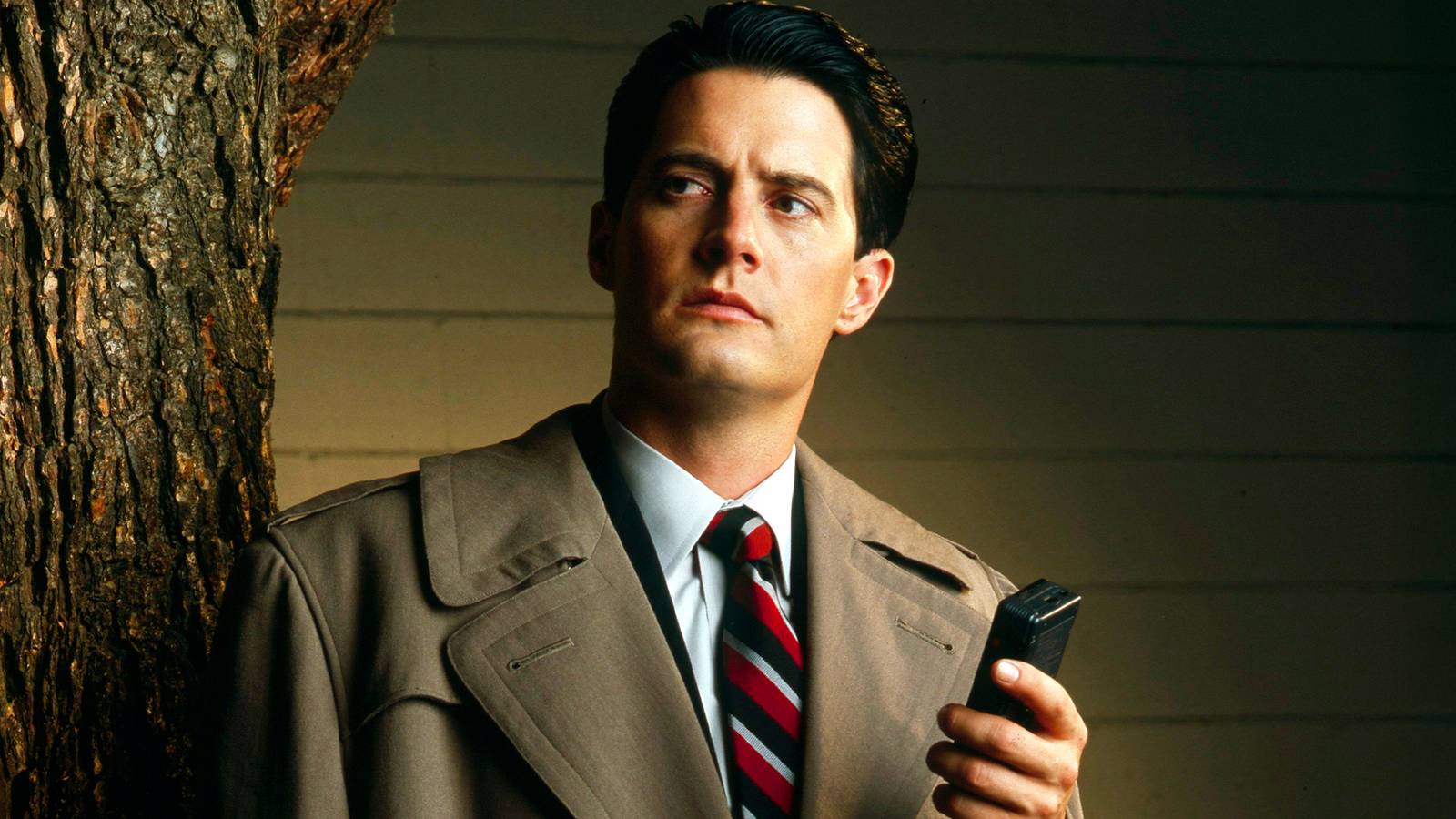
Image via ABC Published Aug 30, 2026, 2:33 PM EDT Lucas Kloberdanz-Dyck is a writer for Collider. He grew up creating lists, stories, and worlds, which led to his love of anime and video games. He attended Sheridan College where he earned an Honours Bachelor of Game Design. Lucas and his group won 1st place for technical innovation at LevelUp Toronto 2023, and he was also an intern for the Oakville Film Festival of Arts. Sign in to your Collider account TV shows are a great way to spend time, with viewers immersing themselves in a plethora of stories, from grand fantastical plots like Game of Thrones to prestigious crime thrillers such as The Sopranos. However, those two TV shows are known for being pretty long, and while that can be fun, sometimes viewers want something not too long, but also not too short. There is no set benchmark, but 50 is a nice number that can also fit plenty of storytelling while not being too long for some viewers. That is why this list will feature the best TV shows that have fewer than 50 episodes based on aspects such as fan opinion, entertainment value, originality, pacing, critical acclaim, directing, writing, and overall quality. These are the best shows on television for fans who want a good story but don't want to spend months watching it. 'Black Sails' (2014–2017) Image via Starz TV shows can take viewers all around the world and into different time periods, and one such show is Black Sails, letting fans set sail on the high seas for swashbuckling adventures. Set during the Golden Age of piracy, Captain Flint (Toby Stephens) and his crew of pirates fight against the British Empire for control over New Providence Island and their survival. Boasting 38 episodes, Black Sails has a nice pace with a good number of episodes to tell everything they want while not going overboard. While it simply starts as a fun pirate adventure with action and ship battles, Black Sails evolves into a politically complex show. From historical figures with some real stories to fictional pirates, this series has all the swashbuckling fun and intrigue fans could ever want. 'Chernobyl' (2019) Image via HBO One way for fans to be sure that a show is less than 50 episodes is to choose a miniseries, which is why this list features a couple, including Chernobyl, based on the titular disaster. After the terrifying event happens, everyone mobilizes to deal with it, and that is what this show chronicles. From the first responders to the locals nearby to the ones in charge of planning the cleanup, it details the historical event in incredible detail. Chernobyl is only a miniseries with five episodes, but that means viewers can binge it in a single day or two. This series acts like a real-life horror film, detailing the tragic disaster with a haunting authenticity that will stick with viewers for a long time. Fans can take anything they want out of it, from fascinating historical truth to the tragedy it left behind to the incompetence that started it to the implications it left for the future. Chernobyl is a flawless modern miniseries that is a short, but heavy binge. 'The Leftovers' (2014–2017) Image via HBO The unexplained is always fascinating, building a strong mystery from start to finish, including The Leftovers. The Sudden Departure was a global event where 2% of the world's population suddenly disappeared without a trace, leaving the rest of the world in shock. Three years later, the residents of Mapleton struggle to rebuild their lives and deal with the trauma while searching for meaning amid the chaos, cults, and coping. Fans may want to learn more about the Sudden Departure and that grand mystery it proposes, but The Leftovers focuses on an entirely different part of the story, specifically the grief of those remaining. It is both touching, relatable, and completely surreal, delivering a unique mix of themes and motivations that create such a phenomenal show. The Leftovers is fairly underrated, but with a solid 28 episodes, more people need to experience this masterpiece. 'Cowboy Bebop' (1998–1999) There is a whole world of TV out there which doesn't just include Hollywood productions, which is why fans should dip their toes into the ocean of anime. Cowboy Bebop is a Western sci-fi show that follows Spike Spiegel (Koichi Yamadera) and his group of bounty hunters cleaning up the galaxy. However, when his dark past catches up with him, Spike must face it head-on or risk putting himself and his friends in more danger than they are already in. Cowboy Bebop is a classic anime that convinced the West that the medium isn't just cutesy girls and over-the-top fights. It is a profound and artistic expression of style, philosophical storytelling, and some fun action here and there. Its unique blend mixes jazz music, noir, Western style, 1980s action, and sci-fi worldbuilding to create one of the most intriguing TV shows ever. Cowboy Bebop is a one-of-a-kind anime that is perfect for non-anime fans to get into the medium with 26 episodes. Collider Exclusive · Sci-Fi Survival Quiz Which Sci-Fi World Would You Survive? The Matrix · Mad Max · Blade Runner · Dune · Star Wars Five universes. Five completely different ways the future went wrong — or sideways, or up in flames. Only one of them is the world your instincts were built for. Eight questions will figure out which dystopia, galaxy, or desert wasteland you'd actually make it out of alive. 💊The Matrix 🔥Mad Max 🌧️Blade Runner 🏜️Dune 🚀Star Wars TEST YOUR SURVIVAL → 01 You sense something is deeply wrong with the world around you. What do you do? The first instinct is often the truest one. APull on every thread until I understand the system — then figure out how to break it. BStop asking questions and start stockpiling — food, fuel, weapons. Questions don't keep you alive. CKeep my head down, observe carefully, and trust no one until I know who's pulling the strings. DStudy the patterns. Every system has a rhythm — learn it, and you learn how to survive it. EFind the people fighting back and join them. You can't fix a broken galaxy alone. NEXT QUESTION → 02 In a world of scarcity, what resource do you guard most fiercely? What we protect reveals what we believe survival actually requires. AKnowledge. If you understand the system, you don't need resources — you can generate them. BFuel. Everything else — movement, power, escape — runs on it. CTrust. In a world of fakes and informants, a truly reliable ally is rarer than any commodity. DWater. And after water, information — the two things empires are truly built on. EShips and credits. The galaxy is big — you survive it by being able to move through it freely. NEXT QUESTION → 03 What kind of threat keeps you up at night? Fear is useful data — if you're honest about what you're actually afraid of. AThat reality itself is a lie — that everything I experience has been constructed to keep me compliant. BA raid. No warning, no mercy — just the roar of engines and then nothing left. CBeing identified. Once someone with power decides you're a problem, you're already out of time. DBeing outmanoeuvred — losing a political game I didn't even know I was playing. EThe Empire tightening its grip until there's nowhere left to run. NEXT QUESTION → 04 How do you deal with authority you don't trust? Every dystopia has a power structure. Your approach to it determines everything. ASubvert it from the inside — learn its rules well enough to weaponise them against it. BIgnore it and stay out of its reach. The further from any power structure, the better. CAppear to comply while doing exactly what I need to do. Visibility is the enemy. DManoeuvre within it carefully. You can't beat a system you refuse to understand. EResist openly when I have to. Some things are worth the risk of being seen. NEXT QUESTION → 05 Which environment could you actually endure long-term? Survival isn't just tactical — it's physical, psychological, and very much about where you are. AUnderground bunkers and server rooms — cramped, artificial, but with access to everything that matters. BOpen wasteland — brutal sun, no shelter, constant movement. At least the threat is honest. CA dense, rain-soaked city where you can disappear into the crowd and nobody asks questions. DMerciless desert — extreme heat, no water, and something enormous living beneath the sand. EThe fringe — backwater planets and busy spaceports where the Empire's attention rarely reaches. NEXT QUESTION → 06 Who do you want in your corner when things fall apart? The company you keep is the clearest signal of who you actually are. AA tight crew of believers who've seen behind the curtain and have nothing left to lose. BOne or two people I'd trust with my life. Any more than that and someone talks. CNobody, ideally. Alliances are liabilities. I work alone unless I have no choice. DA community bound by shared hardship and mutual survival — people who need each other to last. EA ragtag team with wildly different skills and total commitment when it counts. NEXT QUESTION → 07 Where do you draw the line — if you draw one at all? Every survivor eventually faces a moment that tests what they're actually made of. AI won't harm the innocent — even the ones who'd report me without hesitation. BI do what I have to to protect the people I've chosen. Everything else is negotiable. CThe line shifts depending on who's asking and what's at stake. DI draw a long-term line — nothing that compromises my people's future, even if it'd help now. ESome lines, once crossed, can't be uncrossed. I know which ones they are. NEXT QUESTION → 08 What would actually make survival worth it? Staying alive is one thing. Having a reason to is another. AWaking others up — dismantling the illusion so no one else has to live inside it. BFinding somewhere — or someone — worth protecting. A reason to keep moving. CAnswers. Understanding what I am, what any of this means, before time runs out. DLegacy — shaping the future in a way that outlasts me by generations. EFreedom — for myself, for others, for every world still living under someone else's boot. REVEAL MY WORLD → Your Fate Has Been Calculated You'd Survive In…Your answers point to the world your instincts were built for. This is the universe your temperament, your survival instincts, and your particular brand of stubbornness were made for. The MatrixYou took the red pill a long time ago — probably before anyone offered it to you. You're a systems thinker who can't help but notice the seams in things. You're drawn to understanding how the system works before figuring out how to break it. You'd find the Resistance, or it would find you — your instinct for spotting constructed realities is the machines' worst nightmare. You function best when you have access to information and the freedom to act on it. The Matrix built an airtight prison. You'd be the one probing the walls for the door. Mad MaxThe wasteland doesn't reward the clever or the well-connected — it rewards those who are hard to kill and harder to break. That's you. You don't need comfort, community, or a cause larger than the next horizon. You need a vehicle, a clear threat, and enough fuel to outrun it — and you're good at all three. You are unsentimental enough to survive that world, and decent enough — just barely — to be something more than another raider. In the wasteland, that distinction is everything. Blade RunnerYou'd survive here because you know how to exist in moral grey areas without losing yourself completely. You read people accurately, keep your circle small, and ask the questions others prefer not to answer. In a city where humanity is a legal designation rather than a feeling, you hold onto something that keeps you functional. You're not a hero. But you're not lost, either. In Blade Runner's world, that distinction is everything. DuneArrakis is the most hostile environment in the known universe — and you are precisely the kind of person it rewards. Patience, discipline, and political awareness are your core strengths — and on Arrakis, they're survival tools. You understand that the long game matters more than any single victory. Others come to Dune and are consumed by it. You'd learn its logic and earn its respect. In time, you wouldn't just survive Arrakis — you'd begin to reshape it. Star WarsThe galaxy far, far away is vast, loud, and in a constant state of violent political upheaval — and you wouldn't have it any other way. You find meaning in being part of something larger than yourself — a cause, a crew, a rebellion. You'd gravitate toward the Rebellion, or the fringes, or whatever pocket of the galaxy still believes the Empire's grip can be broken. You fight — not because you have to, but because standing aside isn't something you're capable of. In Star Wars, that willingness is what makes all the difference. ↻ RETAKE THE QUIZ 'Mr. Robot' (2015–2019) Image via USA Network A lot of these TV shows so far are under 50 episodes, but they have fewer than some expected as well; for fans wanting something a little closer to 50, they should enjoy Mr. Robot, which boasts 45 episodes. Elliot Alderson (Rami Malek) is a brilliant cybersecurity engineer, but when he is reached out to by the titular hacking organization, he decides to join them in the fight against the largest conglomerate in the world. Mr. Robot has established itself as one of the best modern TV shows through its phenomenal acting, tight writing, and fascinating characters. Not only does it portray one of the best examples of hacking on television, but its depiction of mental health in its characters is also top-notch, authentic, and subtle. Mr. Robot is a bundle of writing prestige that shows the best and worst of its characters and an intriguing plot. 'Band of Brothers' (2001) Image via HBO War never changes, and despite it being the largest pressing matter in the world, it is still fascinating to watch stories about it, including miniseries such as Band of Brothers. It is a prestigious miniseries that follows Easy Company during the Second World War, chronicling their history from their very first training session all the way to the end of the war in gruesome detail while also showcasing the soldiers and their personal lives. No war series gives fans a better look at the battle and the personal state of the soldiers like Band of Brothers, which gives an in-depth view of their struggles and daily life during the war. The intimate cinematography makes the style even more immersive, putting viewers right into battle with technical innovation. Band of Brothers is a landmark in television and arguably the best miniseries of all time. 'Twin Peaks' (1990–2017) Image via ABC David Lynch is one of the most acclaimed directors of all time, known for films such as Mulholland Drive. However, he also delved into television with Twin Peaks, which earns a spot on this list. After the brutal murder of a high school student, FBI agent Dale Cooper (Kyle MacLachlan) travels to an isolated, yet quaint town where something surreal and supernatural lies beneath the quiet village aesthetic. Twin Peaks had a brief revival in 2017 that added a bunch of new episodes, but that luckily didn't add too many, keeping it right below 50 with 48 episodes. Before Twin Peaks, TV was simply made for entertainment, but this show proved that it could be as weird, profound, and artistic as cinema, like Lynch's other arthouse films. Not only that, but the revival completely redefined the show again with bizarre storytelling and uncompromising themes that cemented itself as one of the best shows on television. 'Dark' (2017–2020) Image via Netflix As mentioned, not all perfect TV shows are from Hollywood; some come from foreign studios, and one of the best under 50 episodes is Dark, originating in Germany. After the sudden and sad disappearance of a child, the whole town searches for any clues, but things start to get weirder by the day. When Jonas (Louis Hofmann) finds a cave that takes him into the past, he realizes the disappearance might be connected after he learns it wasn't the first one. Time travel is extremely difficult to write with zero flaws, yet somehow, Dark accomplished this task with storytelling prestige. With no plot holes or loose ends, it creates an interconnected mystery where everything is related to one another. The characters are engaging, and the mystery only deepens with each episode, delving into more unique territories, proving Dark is 26 episodes of pure masterful intrigue and writing. Dark Release Date 2017 - 2020-00-00 Network Netflix Cast Louis Hofmann Jonas Kahnwald Lisa Vicari Martha Nielsen Showrunner Jantje Friese Directors Baran bo Odar Writers Marc O. Seng, Martin Behnke, Ronny Schalk Main Genre Crime Seasons 3 Producers Max Wiedemann, Quirin Berg, Baran bo Odar, Jantje Friese, Lars Gmehling, Kelly Luegenbiehl, Justyna Müsch, Erik Barmack Creator(s) Baran bo Odar, Jantje Friese Story By Jantje Friese Streaming Service(s) Netflix Executive Producer(s) Baran bo Odar, Jantje Friese, Max Wiedemann, Quirin Berg, Kelly Luegenbiehl, Justyna Müsch, Erik Barmack
The 8 Greatest Shows With Fewer Than 50 Episodes
Full Article
Original Source
Read the full article at Collider →KhanList aggregates and links to publicly available news content. We do not host full articles from third-party sources. Always verify important information with original sources.