
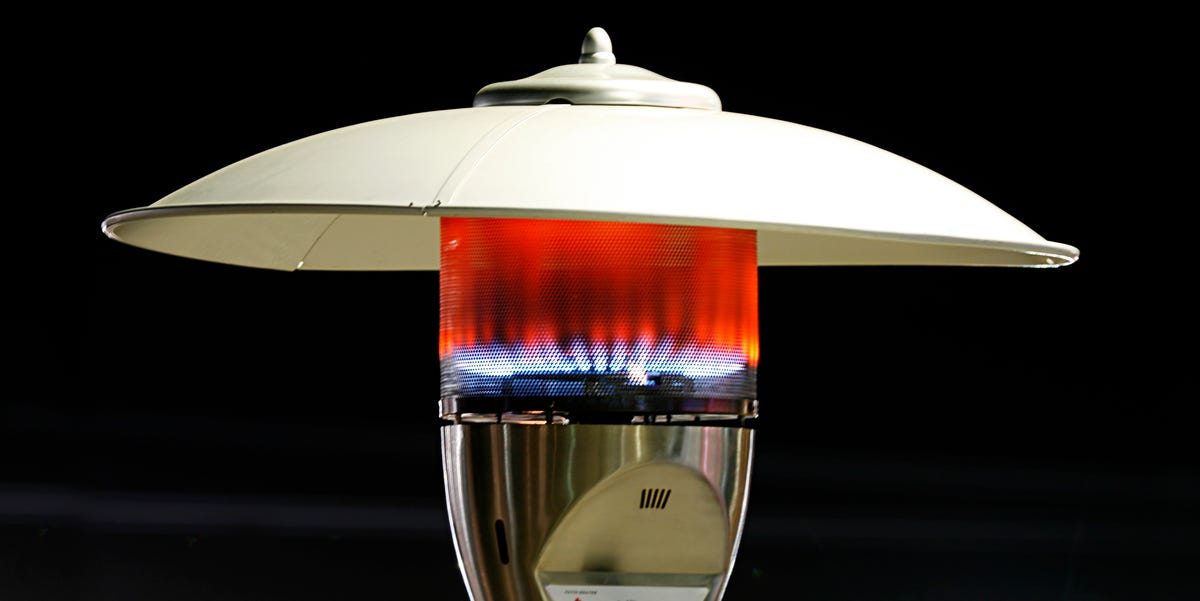
It used to be that chic outdoor living spaces were only practical in certain climates. But modern conveniences like patio heaters and smokeless fire pits can cut the chill significantly while also converting your deck, porch, or patio into an all-seasons gathering place.If you’ve ever felt the toasty warmth of a patio heater when dining outside at a restaurant, then you already know you might still need the extra warmth of a blanket or winter coat. Even so, a decent-sized patio heater will ward off bone-chilling temperatures and create a cozy ambiance in your outdoor space for a family dinner, festive party, or early morning cup of coffee.Best Gas Patio HeatersBest Overall: East Oak 50,000 BTU Patio Heater Best Value: Mainstays 48,000 BTU Propane Gas Outdoor Freestanding Metal Patio HeaterCommercial-Level Heating: Amazon Basics 46,000 BTU Outdoor Propane Patio Heater with WheelsMost Versatile: Cuisinart 11,000 BTU Portable Propane HeaterBest Directional Heating: Bromic Heating Portable 38,500 BTU Patio Heater Home patio heaters are virtually identical to the commercial versions. There are several styles and different fuel options, including electric and natural gas, but the most popular and practical choice for patio heaters remains propane. Not only is propane inexpensive and relatively safe for outdoor use, but heavy tanks help to keep these towering heaters stable and fairly portable.A word of warning: While it might be tempting to use a gas patio heater on your wraparound veranda or covered balcony at a condo, they’re not recommended for enclosed spaces. Instead, opt for an electric model, a space heater, or a propane fireplace to make a screened-in porch or sunroom cozier during a cold snap.From pyramid-style heaters with faux flames to utilitarian versions that won’t break the bank, these gas patio heaters will help you enjoy more time in your own backyard this fall, winter, or even early spring.How We SelectedIn addition to relying on the previous research of Paige Szmodis and the Popular Mechanics team, I evaluated new models with an eye towards optimal heating output, safety features, and customer feedback regarding ease of use and durability. Because a primary safety concern of gas patio heaters is the likelihood of them blowing over during strong winds, be sure to check that the heater your choose has an auto-shut off feature that engages when the unit tips past a certain angle.While my prior experience shopping for a home patio heater was extremely helpful, I have also benefitted from enjoying these devices regularly. Utah has a plethora of propane or gas patio heaters everywhere. I’ve personally stood under the heated domes of hundreds of different models at restaurants, ski lodges, and at the homes of neighbors, friends, and family, so I know what makes one of these a decent choice. Here are the best gas patio heaters to buy now.Full ReviewsProsGenerous heat output and radiusFeatures a convenient built-in tableCSA and ETL-certifiedConsCould be wobbly in the windKey SpecsMaximum BTUs50,000Heating Area20-ft. diameterDimensions33 x 18 x 87 in.East Oak’s propane-powered patio heater offers 50,000 BTUs—one of the most powerful heat outputs in this roundup—with a generous heating radius that will accommodate a large group. There's a built-in table for cell phones and cocktails. Plus, the heater comes in four finishes, allowing you to make a choice that best fits in with your outdoor decor.Sporting a traditional design, this best-in-class gas patio heater features a water base for added stability, CSA and ETL certifications, as well as easy access to the valve without lifting the tank. Its tilt protection system will extinguish the flame if the propane patio heater is tilted more than 45 degrees.Worried this heater might be too heavy at 39 pounds? Built-in wheels make it a breeze to take along to your next outdoor gathering.ProsDouble-door tank accessBuilt-in wheels and tableConsNo sandbox or weight bladderKey SpecsMaximum BTUs48,000Heating Area200 sq ftDimensions31.5 x 31.5 x 86.6 in.This freestanding propane-powered patio heater gets the job done at a reasonable price. All the features you’ll want are here, including automatic shut-off safety, built-in wheels, a table, and a rust-proof, weather-resistant finish—with one exception. There’s no built-in sandbox or weight bladder to prevent tipping—a problem that’s easily solved by a cheap sandbag and a little ingenuity.The 48,000 BTUs with adjustable flame covers a heating area of about 200 square feet, which is plenty to accommodate a crowd. Built-in double door access lets you adjust the valve without having to heft the tank out of the heater.ProsOne-touch ignition and built-in wheelsWater- or sand-fillable base plus tank-securing chainCons9-foot heat radius is tighter than some full-size towersKey SpecsMaximum BTUs46,000Heating Area9-ft. radiusDimensions32.1 x 32.1 x 91.3 in.For commercial-grade output without a commercial price, the Amazon Basics tower delivers 46,000 BTUs rated for both restaurant and home use. An adjustable knob dials the flame up or down, a one-touch igniter lights it in seconds, and built-in wheels make it easy to reposition.The base fills with water or sand for stability and a chain secures the standard 20-pound propane tank (not included), though several owners note the plastic water reservoir can leak, so sand is the safer option in windier climates. The 46,000-BTU burner covers a 9-foot radius, ample for a seating group, and it comes in Slate Gray or Havana Bronze.ProsAdjustable powerDirects heat for greater efficiencyConsSlightly lower BTU than some other heatersKey SpecsMaximum BTUs38,500Heating Area180 sq ftDimensions85 x 28 x 19 in.The classic design of most patio heaters spreads heat in a radius around the center of the heater, which can be an inefficient method depending on where you place it.This Bromic patio heater is an excellent option if you want heat that you can direct more accurately instead of wasting energy heating a space beyond your patio furniture.Although its BTU output is slightly lower than that of some of the other models here, its design directs that power more efficiently, and you can adjust the output to combat a light autumnal chill or seriously frosty nights.ProsLightweight designPortability makes it great for campingConsRequires hose for larger tankKey SpecsMaximum BTUs11,000Heating AreaNot specifiedDimensions12.4 x 16.34 x 25.2 in.Cuisinart isn’t just for your kitchen anymore. At 8.5 pounds, this propane heater is perfect to pop onto your patio table or to pack up and take along on your next camping trip. The auto-shutoff switch ensures safety from tip-overs, while a rotary dial lets you adjust the 11,000 BTUs to your comfort.While easy to transport due to its small size, this heater only accommodates a 1-pound propane tank, meaning you won't get much runtime in its standard setup. However, you can buy a hose attachment that allows you to hook up a standard 20-pound propane tank so you can keep the party (and the heat) going longer.ProsBuilt-in wheels for portabilityAdjustable metal tableConsAssembly can take a few hoursKey SpecsMaximum BTUs48,000Heating Area10-15 ft.Dimensions32 x 32 x 87 in.Available in hammered silver or hammered bronze, this patio heater boasts lots of bang for the buck, with a table that can be adjusted to the desired height. Built-in wheels translate to portability, while a tank access door grants easy use. Because this propane-powered heater has a more traditional tower design, it can be prone to tipping in gusty weather. However, this particular model includes a weight bladder that can be filled with sand or water to add stability.Pros and Cons of Propane GasDuring his long tenure as Popular Mechanics’ senior test editor, Roy Berendsohn tested a number of space heaters, including patio heaters, and provided his expert advice on propane versus electric heaters. “Both types emit infrared energy,” he explained. “Unlike a space heater, which blows air across a hot electric coil to warm the air, a patio heater projects an infrared beam that travels through the air without heating it. When the infrared energy strikes a solid object like a person or furnishings, the beam converts to heat.”Although electric heaters have the advantage of not needing fuel refills and requiring little maintenance, propane gas patio heaters are more portable (especially models with wheels) and less expensive to run. Most 20-pound tanks should last for at least 10 hours of use, depending on your heat settings. Just keep in mind that wind can blow out most of these heaters’ burners, so choose a semi-protected spot or stay inside on gusty nights.What to ConsiderChoosing the right patio heater for your outdoor space is about both style and substance. Here are some factors to think about before you make a purchase.Fuel typePatio heaters are electric, natural gas, or propane-powered. In terms of cost, efficiency, and portability, propane is the clear winner for fueling patio heaters. Electric patio heaters are affordable but can’t generate the kind of heat you’ll enjoy from propane. And while you might have a natural gas hookup or an outlet near your deck, that means your heater will be tethered to the hookup, which isn’t optimal for parties or other gatherings.Maximum BTUsBTUs (British Thermal Units) convey how much heat or cooling an appliance generates. In general, the recommendation is to allow 20 BTUs per square foot for indoor heating purposes. Even patio heaters with a generous 50,000 BTU output will only raise the surrounding temperature outside about 5- to 10 degrees, depending on climate. Those degrees, however, will make a fairly significant difference in your comfort when you huddle around the heater on a chilly day.Heating AreaFreestanding gas patio heaters warm a certain area around the unit up to a 10- to 15-foot diameter or several hundred square feet. A more generous heating radius means people can move farther away from the heater and still stay warm, which allows you to accommodate a larger group and heat a bigger outdoor area.DimensionsRestricting the use of gas patio heaters to open outdoor spaces isn’t just about venting the potential fumes. It’s also because these heaters typically soar upwards of 7 feet. You’ll want 3 feet of clearance in all directions, including above the heating unit, which can be tricky on a covered deck or balcony.If you don’t have that kind of space, consider an electric gas patio heater that requires less clearance, or a smaller tabletop model that’s specifically designed for portability.Weather ResistanceLook for materials like stainless steel that can resist the weather in your climate zone. Many patio heaters are fairly tall and can be tricky to store. Since many are not completely waterproof, leaving a gas patio heater out all year long isn't advisable. You may want to protect your patio heater with a water-resistant, durable cover (for about $20) even if it doesn’t come with one.Safety FeaturesCheck to see if the patio heater is CSA-, UL- or ETL-certified. Look for automatic shut-off, a stable base, and if you have kids or pets, a heating element that isn’t within their reach. Whether a gas patio heater is a stocky pyramid or tower pedestal, it can be prone to tipping in a strong wind, which is why many have anti-tilt features or weight bladders to prevent this. Gas patio heaters should not be left unattended when in use.Why Trust Us?Popular Mechanics has offered tips and advice on home improvement and technology since 1902. After more than a century, we’ve earned a reputation as a reliable source of advice for all things DIY, including recommendations on tools and gear. For decades, we’ve been testing the most important equipment you use to get things done, from lawn mowers and snowblowers, to chainsaws and garden hoses.Our largest, most important testing projects are handled by the Popular Mechanics test team, which designs specialized testing regimens to determine the best of the best. The test editors are long-time tool users and reviewers, journalists and ever-curious DIYers. They’ve tested hundreds of tools, including yard and patio equipment like grills and heaters, giving them unparalleled insight into the nuances of their performance.In addition to the test team, this guide features recommendations expert Kaz Weida. Kaz is a journalist and multi-category product tester who has years of experience using various propane patio heaters to warm up outdoor gatherings at her home in Utah. For this guide, she performed similar research to when she was buying her first patio heater, scouring the Internet and comparing features and user reviews to find quality heaters for various uses and outdoor spaces.FAQs What is cheaper in the long run—an electric heater or a propane one?Depending on the cost of utilities in your region, an electric patio heater might be cheaper to run upfront. However, that comes with some pretty big qualifiers, including that electric patio heaters don’t generally produce as much heat as propane.If you plan to use your patio heater consistently and for long periods of time, propane will probably be cheaper in terms of heat produced per dollar over time.Are there restrictions with a gas patio heater if you have an apartment or condo?Even if you’re allowed by property management to use a propane or natural gas patio heater on your deck, most situations that involve balconies or high-rise buildings don’t have the kind of clearance you’d need to operate one safely.Instead, consider a tabletop model or an electric patio heater, and of course, consult with property management first.Can you use a gas patio heater in a garage? I wouldn’t advise it. Propane-powered or natural gas patio heaters should only be used in open outdoor spaces that provide proper ventilation and clearance.Freestanding patio heaters are inappropriate for even a partially enclosed space like a garage, and will be too tall to operate in a gazebo or on a covered patio.Should I cover my gas patio heater when it’s not in use?Absolutely. Even if it’s constructed of weather-resistant materials, your patio heater will last longer if it's protected from the elements by a cover. If it didn’t come with one or the one included is flimsy, buy a waterproof one.A word of warning: if you live in a climate prone to strong winds, try to store your patio heater somewhere that's shielded from gusts (against the side of a building or a support beam or pole).Ours has toppled half a dozen times in heavy winds over the years, sustaining significant damage to the reflector and denting the unit itself. Not to mention the safety hazard it poses if the patio heater were to fall on surrounding objects and people.Kaz Weida is a former educator turned freelance journalist who started off producing reviews and guides in the home security and telecom industry in 2015; she has tested, researched, and reviewed more products than she count, be it air quality monitors or kids GPS trackers. Kaz had bylines in a wide array of publications and sites including HuffPost, BlogHer, SheKnows, SafeWise, CableTV, and Rosetta Stone, and her work has been featured in Medium, Womens E News, Scary Mommy, and Salt Lake City Weekly. When she's not at her desk, Kaz is in the kitchen crafting and photographing cocktails. Matt Crisara is a native Austinite who has an unbridled passion for cars and motorsports, both foreign and domestic. He was previously a contributing writer for Motor1 following internships at Circuit Of The Americas F1 Track and Speed City, an Austin radio broadcaster focused on the world of motor racing. He earned a bachelor’s degree from the University of Arizona School of Journalism, where he raced mountain bikes with the University Club Team. When he isn’t working, he enjoys sim-racing, FPV drones, and the great outdoors.
The 6 Best Gas Patio Heaters for Outdoor Entertaining
Full Article
Original Source
Read the full article at Popularmechanics →KhanList aggregates and links to publicly available news content. We do not host full articles from third-party sources. Always verify important information with original sources.