
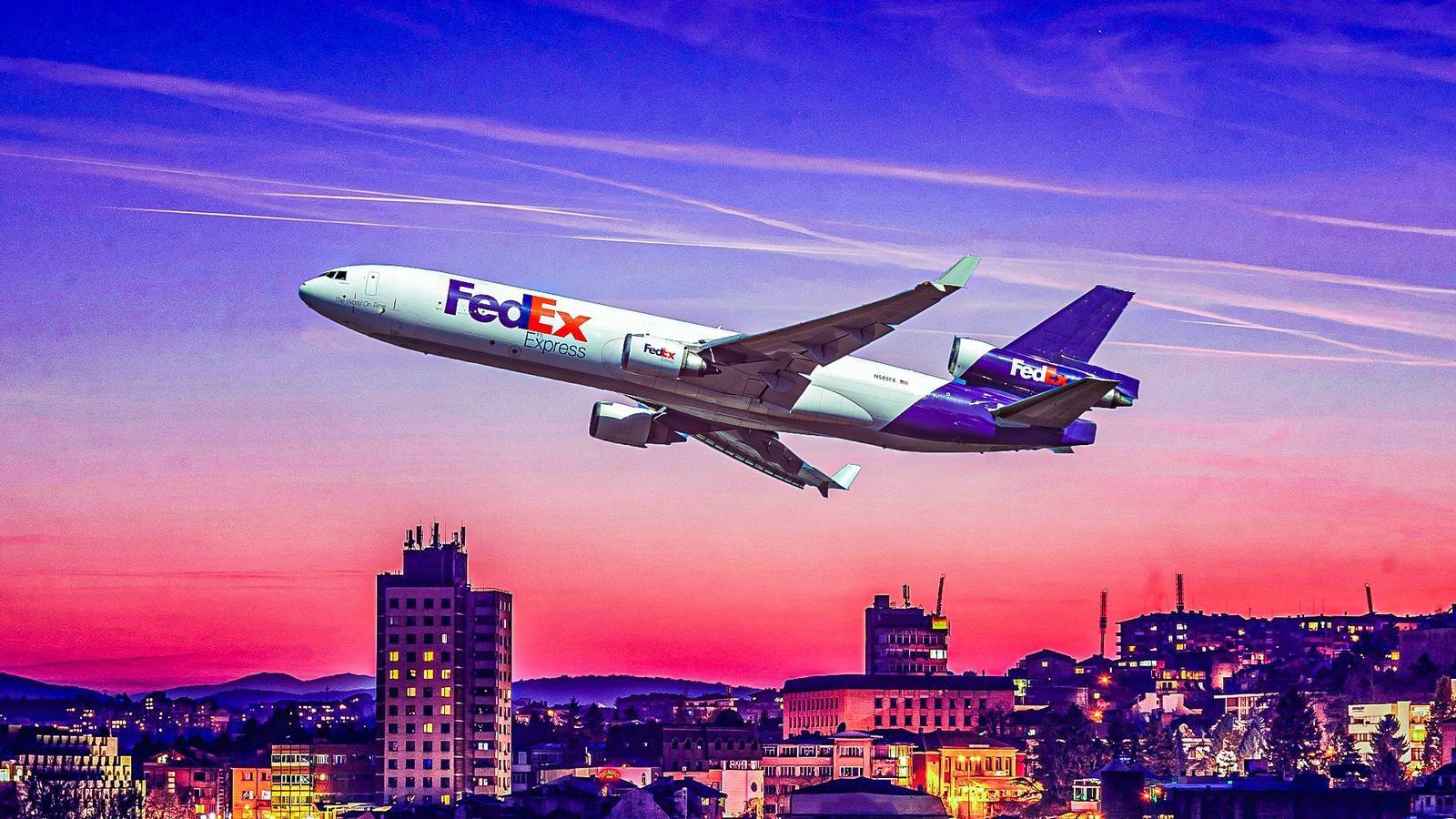
Published Aug 18, 2026, 3:00 PM EDT Airline and Airport Management Graduate, Student Commercial Pilot and Commercial Aviation Writer. Based in London & Nagoya The evolution of commercial aviation is defined by a relentless pursuit of operational efficiency, leaving behind the legendary multi-engine and heavy-lift widebody jets that once ruled global trunk routes. Aviation history rightly refuses to fade quietly into museum hangars, as a select group of legendary widebody aircraft continues logging heavy flight hours years after mainstream passenger airlines closed their cabin doors. These mechanical titans survive not out of mere nostalgia but because their specialized engineering, massive payload capacity, and unique structural capabilities remain indispensable in cargo networks and niche global operations. Based on ongoing operational records, active fleet registers, and extensive logistics deployments worldwide, this list highlights five extraordinary widebody types that still defy retirement. There may be better objective options out there that offer far better fuel economy or operational cost, but some capabilities are far too critical to let an aircraft go out of service. Airbus A340 Once built for transoceanic safety, still carrying passengers Credit: Shutterstock Conceived by European aerospace engineers as a long-range complement to twin-engine counterparts, the Airbus A340 entered commercial service during an era when four engines represented the absolute gold standard for transoceanic safety and range. Featuring a sleek wing design and high-bypass turbofans, the aircraft quickly became a staple for carriers like Lufthansa and Singapore Airlines, operating ultra-long routes across oceans and continents. However, as soaring fuel prices and the arrival of highly efficient twin-engine jets reshaped airline economics, major commercial carriers rapidly phased the quadjet out of passenger service, relegating most frames to early retirement or desert storage facilities. Despite mass passenger retirement, a resilient contingent of A340 airframes continues to ply the skies under specialized operators and select carriers that use the type's unique high-altitude performance and large cabin volume. Airlines such as Lufthansa and Mahan Air have kept variants like the A340-300 and A340-600 active on high-density international routes, capitalizing on delays in newer widebody aircraft deliveries and robust demand for first-class seating capacity. Operating out of hubs like Frankfurt Airport (FRA), these quadjets regularly cruise at altitudes exceeding 38,000 feet (11,582 meters), carrying hundreds of passengers across thousands of miles. The endurance of the A340 is a perfect example of where surplus quadjets offer an affordable bridge for airlines facing severe supply chain issues in new aircraft manufacturing. Fuel burn penalties mean these aircraft cannot compete with modern carbon-composite twins on a per-seat basis, but their existing capital availability makes them exceptionally cost-effective for niche charter networks, seasonal high-density corridors, and diplomatic transport roles. These remaining airframes are approaching their final structural cycles and are leaving behind a legacy as the last traditional four-engine passenger widebodies to defy the relentless march of technological obsolescence. McDonnell Douglas MD-11 Saved by cargo operators Credit: Shutterstock The McDonnell Douglas MD-11 entered commercial service with a reputation for blazing speed and advanced flight deck technology, though its demanding aerodynamics and high fuel consumption made it a challenging passenger airliner. Airlines operating the trijet across transcontinental and transoceanic paths often struggled with operating economics, prompting carriers to phase out passenger configurations long before other widebody types. Even still, the very characteristics that complicated passenger operations, such as immense wing loading, high approach speeds, and massive volumetric cargo capacity, made the aircraft an extraordinary candidate for dedicated freight conversion. In the decades following its passenger retirement, the MD-11 became a cornerstone of heavy-lift global logistics, with express shipping giants like Fedex Express using the trijet to move thousands of tons of cargo daily. Operating with three turbofan engines, two under the wings and one mounted on the rear fuselage and tail assembly, the aircraft provides unique payload capabilities that excel on demanding trans-oceanic freight routes. Even after regulatory scrutiny and industry shifts led competitors like UPS Airlines to accelerate their own fleet retirements following tragic incidents, FedEx committed to returning its modernized MD-11 freighters to active service, cementing the type's status as an irreplaceable logistics option. The survival of the MD-11 in active cargo service highlights the specialized value of trijet engineering in an industry dominated by twins. Maintenance technicians and flight crews respect the aircraft for its raw performance and heavy-lift muscle, even as training and strict airworthiness directives govern its daily flight routines. By keeping these powerful jets aloft, cargo operators demonstrate that structural payload capacity can easily outweigh the efficiency metrics of newer designs when moving bulky freight across demanding international air routes. Airbus A300 The aircraft that started it all Credit: Shutterstock Introduced to the commercial aviation market in the 1970s, the Airbus A300 shattered industry conventions as the world’s first twin-engine widebody airliner. Designed to connect high-density regional and continental city pairs with unprecedented fuel economy, the aircraft showed that two engines were sufficient to lift a widebody cabin across substantial distances. Although major European and American passenger airlines gradually retired the type as newer, longer-range twins took over trunk routes, the A300 discovered an extraordinarily lucrative second career in the global cargo sector, where hundreds of airframes underwent heavy freight conversions. Today, active A300 and A310 derivatives continue to serve heavy logistics networks and select passenger operators, such as Iran Air, which maintains some of the last surviving passenger-configured airframes in commercial service. Cargo carriers like European Air Transport ( DHL) and Fedex Express rely heavily on the A300-600F variant to feed regional sorting hubs, praising its wide cross-section, flexible container loading capabilities, and robust landing gear designed for frequent cycle operations. These aircraft routinely handle short-to-medium-haul freight legs, enduring harsh weather and demanding turnarounds that would test the structural limits of lighter narrowbody conversions. The enduring viability of the A300 is really quite special, demonstrating the timeless brilliance of its original structural design, which established the fuselage cross-section later utilized for the entire A330 and A340 families. Passenger cabins have largely vanished from Western skies, but the aircraft's heavy freight footprint proves that a well-engineered widebody airframe can outlive its original design mission by decades. As these rugged freighters continue to log daily flight cycles, they remain living testaments to the industrial cooperation that launched the modern European aerospace giant. Boeing 767 Extending a lifespan well beyond initial projections Credit: Shutterstock When the Boeing 767 debuted in the early 1980s, it revolutionized intercontinental travel by opening long, thin oceanic routes to efficient twin-engine operations. Airlines embraced the aircraft for its comfortable seven-abreast seating and exceptional fuel burn, using it to connect secondary North American hubs directly to European capitals. Even as newer composite widebodies like the Boeing 787 entered commercial service, major passenger airlines began retiring their aging 767 fleets, shifting the type away from premium passenger trunk lines and into the hands of cargo converters. Rather than fading into obscurity, the 767 found a massive, highly lucrative second life as the preferred medium-widebody freighter for global express networks. Operators such as UPS Airlines, FedEx Express, and Amazon Air operate extensive fleets of factory-built and converted 767 freighters, using the aircraft's spacious main-deck container capacity for overnight parcel delivery. The aircraft's ideal size, combined with robust structural lifecycles and compatibility with existing pilot training programs, keeps the type in high demand across domestic and international shipping corridors. The continuous operation of hundreds of 767 freighters demonstrates how structural versatility can extend an aircraft's commercial lifespan far beyond its passenger era. Even as passenger-configured variants become increasingly rare among major legacy carriers, the freighter fleet expands through targeted conversion programs that transform retired passenger liners into modern cargo haulers. The presence of this conversion pathway secures the 767's position as an essential workhorse of global e-commerce, and the pioneering twin-jet will still populate international airspace for many years to come. Boeing 747 An icon that refuses to stay still Credit: Shutterstock The Boeing 747 transformed global travel, arguably more than any other aircraft. It made the world seem just a bit smaller with its iconic upper deck and massive passenger capacity during the golden age of aviation. For decades, the Queen of the Skies reigned supreme as the symbol of international prestige and high-volume mass transit. However, soaring fuel costs, changing hub-and-spoke network models, and the unmatched efficiency of twin-engine giants eventually prompted commercial passenger airlines to phase out the four-engine jumbo jet, closing an unforgettable chapter in commercial flight history. Despite the official end of passenger operations for many major airlines, the 747 refuses to relinquish its grip on the global skies, surviving as the ultimate heavy-lift cargo champion, with a handful of passenger types still in operation. Freighter variants, including the advanced 747-8F and modified -400s operated by Atlas Air, UPS Airlines, and Lufthansa Cargo, routinely transport oversized industrial machinery, humanitarian aid, and global freight across continents. Featuring a distinctive nose-loading cargo door and immense internal volume, the aircraft handles specialized shipping tasks that smaller twin-engine freighters do not have the room for. The enduring presence of the 747 in active freight operations shows that true engineering genius transcends generations of shifting industry trends. While the final factory-built airframes have rolled off assembly lines, the existing fleet continues to command unmatched respect from pilots, engineers, and logisticians worldwide. Global commerce still demands the movement of massive, outsized cargo across the globe, meaning the majestic silhouette of the Queen of the Skies will still be around and remain a symbol of the incredible achievements of commercial aviation.
The 5 Widebody Aircraft Still Flying Years After Passenger Retirement
Full Article
Original Source
Read the full article at Simpleflying →KhanList aggregates and links to publicly available news content. We do not host full articles from third-party sources. Always verify important information with original sources.