
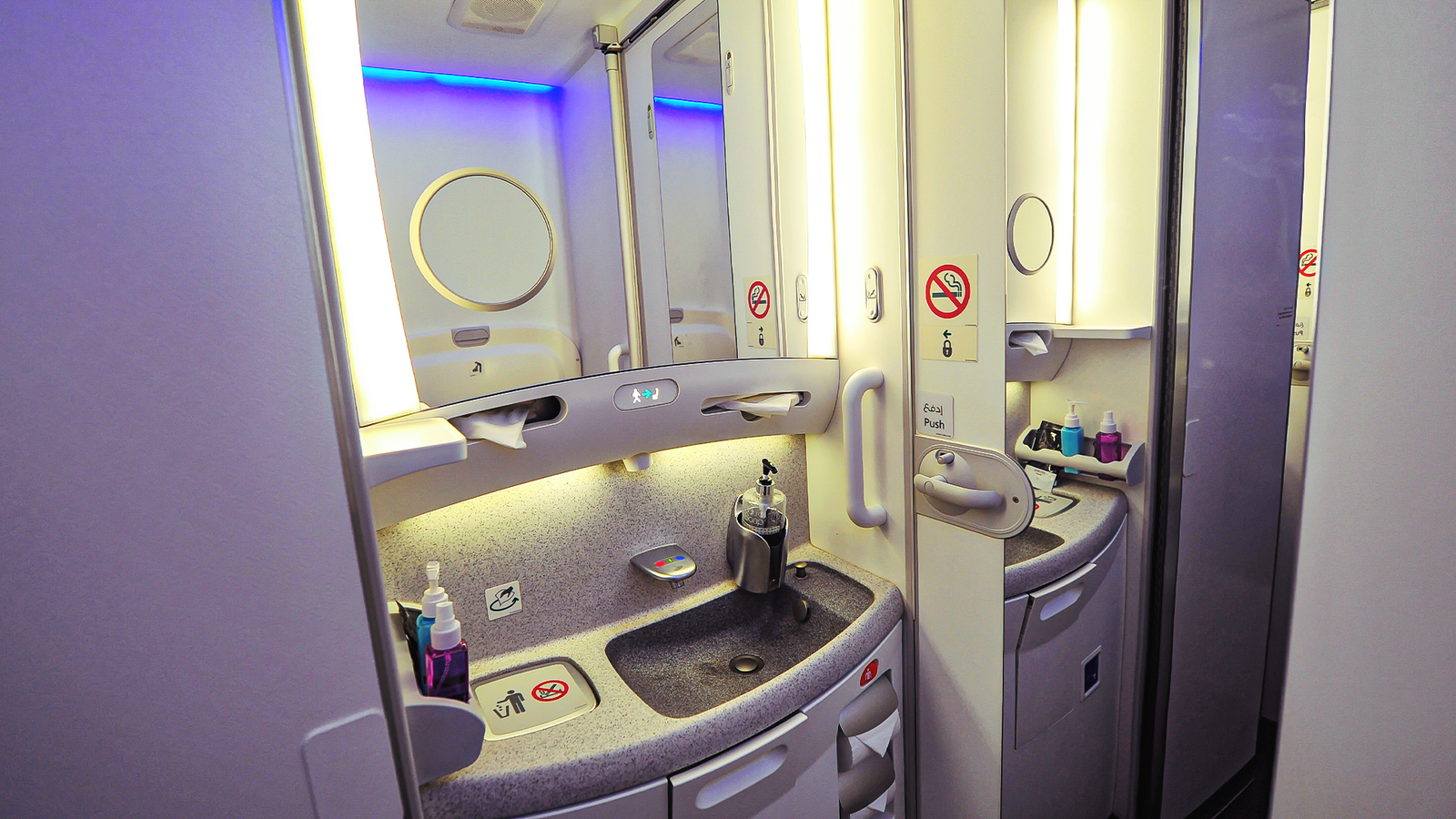
Published Oct 30, 2026, 1:00 AM EDT Writer - Patricia joins Simple Flying with over 20 years of experience in aviation. She has served as cabin crew on flights from economy-class through to first-class and on private jets as well as being head of cabin crew and cabin safety focal point. Patricia has a master's level postgraduate diploma in Human Factors in Aviation and has written about aviation since 2010. Based in Dubai/Cyprus. Flight attendants and cabin crew follow checklists and procedures at all times, as they have a lot of duties to complete in a very limited time. Safety is the most important aspect, and almost every duty outside of service is for safety reasons. Passengers may wonder why flight attendants follow such strict routines, but they're simply following protocol and taking necessary measures on every flight. What might seem fussy and restrictive to a general observer is actually preventative and keeps passengers, crew, and aircraft safe at all times. A flight attendant told The Points Guy about some of those procedures, and as a cabin crew member myself, I can clarify. Let's take a look at some of those small but important procedures and why they are in place. Lavatory Checks And More Credit: Airbus Virgin Atlantic flight attendant Lezah Cooper told The Points Guy that crew checks aircraft toilets every 20 to 30 minutes. This is indeed the policy at most airlines. This is partly to ensure cleanliness but also for safety reasons. It is to make sure that no one has fallen ill inside and that crew can open the door from the outside to gain entry if necessary. The crew restocks paper towels, toilet paper, and soap; empties trash bins if necessary; and wipes down surfaces. Some airlines, like Ryanair and Norwegian Airlines, according to Financial Review, check the lavatories every 20 minutes, whereas United Airlines checks every 30 minutes. We also check the lavatory waste bins in case someone has put a cigarette inside. Although smoking has been banned on aircraft for years, some people will still try to smoke in the lavatories. Vaping is also not allowed. A hot cigarette on paper towels on an aircraft can be lethal, so we also have smoke detectors in the lavatory and a fire extinguisher in the waste bin. It is also why ashtrays are still onboard and are a no-go item if missing. In addition, we also check the cockpit every 20 to 30 minutes to ensure that the flight crew are OK and if they need anything. This may be via the interphone or by entering the cockpit and is usually the duty of the flight attendants working closest. Checks ensure pilots are awake, well, and responsive, especially during long-haul flights or when one pilot is taking controlled rest. Crew members often bring water, juice, or meals during these intervals, allowing communication between the crew and updates as the flight progresses. The Policy On Alcohol Credit: Air New Zealand Passengers may not drink their own duty-free alcohol on board, and flight attendants can confiscate it until arrival at the destination. Flight attendants are legally required to monitor intoxication due to safety and border-control risks. Under the Air Navigation Order 2025, passengers are prohibited from consuming personal alcohol, including duty-free purchases, on board, as noted by Visa Verge and The Points Guy. Virgin Atlantic economy crew may use a 'galley list' to track passengers approaching a prescribed limit (e.g., five beers), according to Air Review. Under 2026 UK rules, intoxicated passengers face fines of £500 ($635) to £2,500 ($3,175) and up to 2 years in prison, according to Visa Verge. The same article states that the effect of alcohol is estimated to rise by 20% to 30% due to low cabin pressure. Passengers are only allowed to drink alcohol that is served to them by a flight attendant. If a flight attendant believes that a passenger has had too much to drink, they can be refused any more alcohol. Being drunk or intoxicated on a commercial aircraft is illegal in most jurisdictions, though the rules and penalties vary by country and aviation authority. A passenger may be denied boarding if they are clearly intoxicated and likely to cause issues. Can Passengers Move To Another Seat? Credit: Matej Kastelic | Shutterstock Moving to empty seats is generally permitted, but it is polite to ask the crew first. This is because if someone orders a special meal, the crew can easily find them and avoid delaying meal service. It can also be because of the aircraft trim, and passengers may have to sit in certain seats to maintain the aircraft's center of gravity, especially on smaller jets or regional jets, or when the load is light. If a row is empty, ask the crew first, as the seats could be restricted or damaged, but usually it's OK. If there is an empty exit row, again, a passenger should not assume that it is fine to move. Only certain passengers can sit there, and many airlines also consider these seats premium because of the extra legroom. The crew briefs anyone sitting in an exit row on how to operate the emergency exit. If the row is empty, a flight attendant will assign a suitable passenger to sit there and brief them. However, 'self-upgrading' to extra-legroom or premium cabins is prohibited and enforced to protect revenue and fairness for paying passengers, according to The Points Guy. If a passenger tries this, we will move them back to their previous seat because they have not paid for an upgraded seat. Another point about moving seats: if there are any issues during a flight, or if there is an accident or incident, passengers will be identified by seat number first. Safety At All Times Credit: winnievinzence | Shutterstock Enforcing safety rules is a flight attendant's job, and they do so to protect passenger safety. This includes all the checks they carry out before, during, and after the flight. Before a flight, we conduct strict checks of all onboard safety equipment and a security check of the aircraft. FAs also perform a security check after the flight. According to Explore, 14% of fatal accidents occur during takeoff/taxi and 49% during landing, justifying strict seating enforcement. Just before takeoff and landing, flight attendants perform 'cabin secure' checks to ensure passenger safety. This includes checking that seatbelts are fastened, tray tables are stowed, seats are upright, and window blinds are open. All baggage and loose items must be stowed securely. Cabin security checks also occur during turbulence. Policing extends to standing when seatbelt signs are on and ensuring parents supervise children to prevent aisle accidents. Flight attendants are obligated to make announcements such as asking passengers to remain in their seats while the seatbelt sign is on. Turbulence is happening more often and becoming more severe, so it is wise to keep your seatbelt on at all times while seated. During flights, flight attendants monitor the cabin at all times, using situational awareness to assess what's going on and whether there are any potential issues, such as an unruly passenger or a medical emergency. Basically, when a flight attendant asks you to do something, they're ensuring your safety and following procedures that keep every flight safe. Post-Flight Duties And Checks Credit: TransNusa After landing, the crew completes final duties such as sealing the bars, preparing paperwork or reports, and, if on a turnaround, preparing the aircraft for boarding again. Once passengers have left the aircraft, they security check the cabin for forgotten items like passports, phones, and duty-free items. These are then handed to ground staff or security staff, according to Flying Magazine. The overhead lockers are checked, as well as the seat, under the seat, and the seat pocket. Lavatories are also checked. Forgotten items are usually to be found in the airline's lost and found department. Once a passenger leaves the aircraft, they are almost never allowed back on for security reasons, making the crew's final sweep critical, according to Yahoo. The Federal Aviation Administration (FAA) says the final cabin sweep is a regulatory requirement to ensure no passengers remain onboard and that a minimum crew violation occurs if they don't complete it, according to the Association of Flight Attendants-CWA. The union also says that: "While the focus is on ensuring all passengers are off the aircraft before we deplane, all components of the sweep, especially ensuring all doors are disarmed, are critical. One concern we have continued to bring forward is the presence of cabin cleaners onboard and throughout the aircraft at a time where flight attendants are trying to conduct the sweep." Key Points Credit: Bjoern Wylezich | Shutterstock Flight attendants and cabin crew rely heavily on checklists and safety procedures. They ensure the safety of the passengers, although many passengers don't realize it, since they are often seen as servers rather than safety professionals. On every single flight, the same safety protocols and procedures are followed before, during, and after the flight. These checks exist for good reason and ensure the aircraft is as safe and secure as possible, with all safety equipment in place and serviceable. Everything is ready, should it be needed in an emergency. The cabin secure checks are vital in keeping everyone safe in the critical phases of flight and during turbulence. Even a brief five-minute security check at the end of a flight is critical to ensure everyone is off the aircraft and any lost possessions are collected and handed to ground staff, as passengers are not allowed to return to the aircraft. If a passenger realizes they have lost an item on the jet bridge and tells ground staff, the crew may have already found it, and they can reunite the passenger with it. After that, it's up to the ground staff at the gate or the lost and found department.
The 5-Minute Cabin Sweep Flight Attendants Do After Landing, Because You Almost Never Get Back On The Plane
Full Article
Original Source
Read the full article at Simpleflying →KhanList aggregates and links to publicly available news content. We do not host full articles from third-party sources. Always verify important information with original sources.