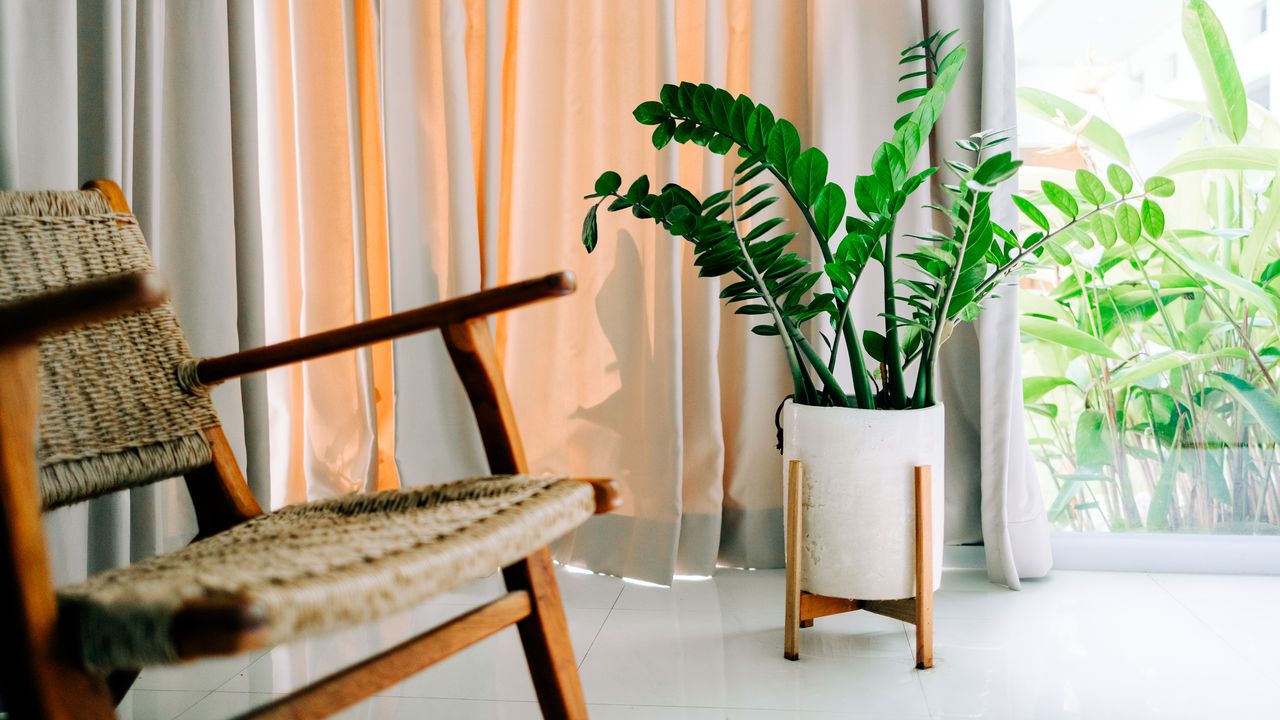
For the uninitiated, the best plants for beginners aren’t necessarily the ones you first suspect. You might assume succulents or cacti are the right houseplant must-haves, because, well, the prevailing belief is these plants don’t require much water. They do well in the desert, so why not a bright corner in the home?In actuality, succulents are deceptively tricky. Talia Halliday, the founder and owner of Bloomington, Indiana–based plant shop Oak, argues that everyone opts for cacti and succulents because they think they’re low maintenance when they’re the complete opposite. “I may not be the first, and certainly won’t be the last, but I will be the loudest when I say, ‘Stop it!’ They’re not easy, they’re not low-maintenance, they’re not great first-time-owner houseplants,” she says.Indeed, there are other options besides the ubiquitous rose-shaped succulent out there—from aloe vera and spider plants to rubber plants and peperomia. Here are the top five houseplants for beginners, according to plant experts.ZZ plantThe ZZ plant is nearly as easy to care for as a faux plant. Photo: Anastassiya Bezhekeneva/Getty ImagesWith its shiny leaves, the ZZ plant is often confused with an artificial plant. No wonder, since it basically thrives on neglect. Yet this plant offers so much: It is said to improve poor air quality and even cognitive function, all while working well as a tabletop plant. The ZZ plant loves dryer soil and bright, indirect light, but can survive lower light as well. “If your place doesn’t get great light, then I suggest a ZZ plant,” says Paul Thompson, a plant consultant, stylist, and chemistry teacher. In terms of matching your home’s decor, he says you can’t go wrong with a ZZ because “they add a bit more texture and come in regular green or black. While they generally grow upward, they can sprawl out a little bit.” A small ZZ’s stalky base and waxen leaves render it an elegantly modern centerpiece, particularly since it can tolerate lower light and rarely needs repotting.PothosIt’s very obvious when pothos plants need water, which makes them good beginner plants. Photo: imageBROKER/FirnIf you regularly forget your plants, this meandering vine of heart-shaped leaves may be for you. Pothos grow quickly and work great in hanging pots. Not to mention they can help remove pollutants, such as carbon monoxide, from the air, making indoor air safer to breathe. While a pothos likes sunny, indirect light, it can do well in fluorescent lighting. Halliday says, “I call them ‘the good communicators’ because although they’ll need more water at least once a week, they will let you know because their leaves will get super droopy. It’s very noticeable, even for beginners.”According to plant influencer and I Rap to My Plants owner Courtney Warwick, pothos don’t require a lot of attention and still thrive under some neglect. “I own pothos plants, and they’re very happy with the minimum amount of attention,” she says. “Prior to becoming a plant parent, I assumed plants needed care daily, but honestly they don’t. There are plenty of different varieties, including the golden pothos, and they come in varying striations of yellow, white, or green. As such, pothos plants really can fit any plant parent’s style.”Snake plantSnake plants are great for adding height and dimension to a room. Photo: Adél Békefi/Getty ImagesThe snake plant has a lot of great qualities, like the fact that it produces oxygen throughout the day and night, so it could improve your quality of sleep. But perhaps its greatest feature? It’s difficult to kill. “Snake plants are by and far the lowest-maintenance plant,” Halliday says.While technically a succulent, they don’t require the same high level of care as other varieties. They can survive in almost dark light, are drought-resistant, and in the winter months, they can go two months between waterings.In terms of decorating, “they can be very stark, so a lot of people use them in more modern decor. They have a very specific aesthetic but come in varieties of color,” Halliday says. Thompson says their height makes them great additions to a room. “The good thing about these is they can come very small or very big. They grow upwards, so if you’re looking for something to add height to an area, snake plants are a great option.”PhilodendronsPhilodendrons grow best in low or indirect light. Photo: Nora Carol Photography/Getty ImagesPhilodendrons thrive indoors, are easy to care for, and don’t require much specific attention, says Jason Skipton, executive director of Growing Gardens, which helps families reclaim cultural food traditions in their home gardens in Portland, Oregon. “Plus, these plants bring joy to your environment and make you look and feel like a professional houseplant grower,” he says.Philodendrons prefer low or indirect sunlight and will remain robust for many years. They are also super easy to propagate: all you need to do is snip a stem cutting, or a strand of vine above a node, and place it in water. But when it comes to watering, be warned: These plants love a good deep watering. “Oftentimes, beginner plant keepers try to give indoor plants little sips of water throughout the week because it feels more convenient,” Skipton says. Don’t do this. Instead, take your philodendron to the sink or shower once a week and give it a deep, long drink of water, he explains. This will also help clean off any dust that collects on the leaves, which can impact photosynthesis.AglaonemaAglaonema’s vibrant colors make it a beautiful addition to a home. Photo: Anucha Muphasa/Getty ImagesCommonly known as Chinese evergreen, aglaonema is a tropical and colorful evergreen plant prized for being low-maintenance. According to Amy Hovis, an award-winning landscape designer and owner of Barton Springs Nursery and Design Studio, this plant is one of the most beautiful indoor plants for low-light homes, as aglaonemas have stunning, patterned foliage with silvers, pinks, greens, and deep emerald tones. In terms of care, they are wonderfully straightforward. “They are slower-growing, which actually makes them easier to care for because they don’t constantly need repotting or pruning,” she adds. However, they do appreciate stable temperatures and don’t love cold drafts, as well as lightly moist soil, so be careful not to drench when watering, which could lead to root rot.
The 5 Best Plants for Beginners, According to Experts
Full Article
Original Source
Read the full article at Architecturaldigest →KhanList aggregates and links to publicly available news content. We do not host full articles from third-party sources. Always verify important information with original sources.