
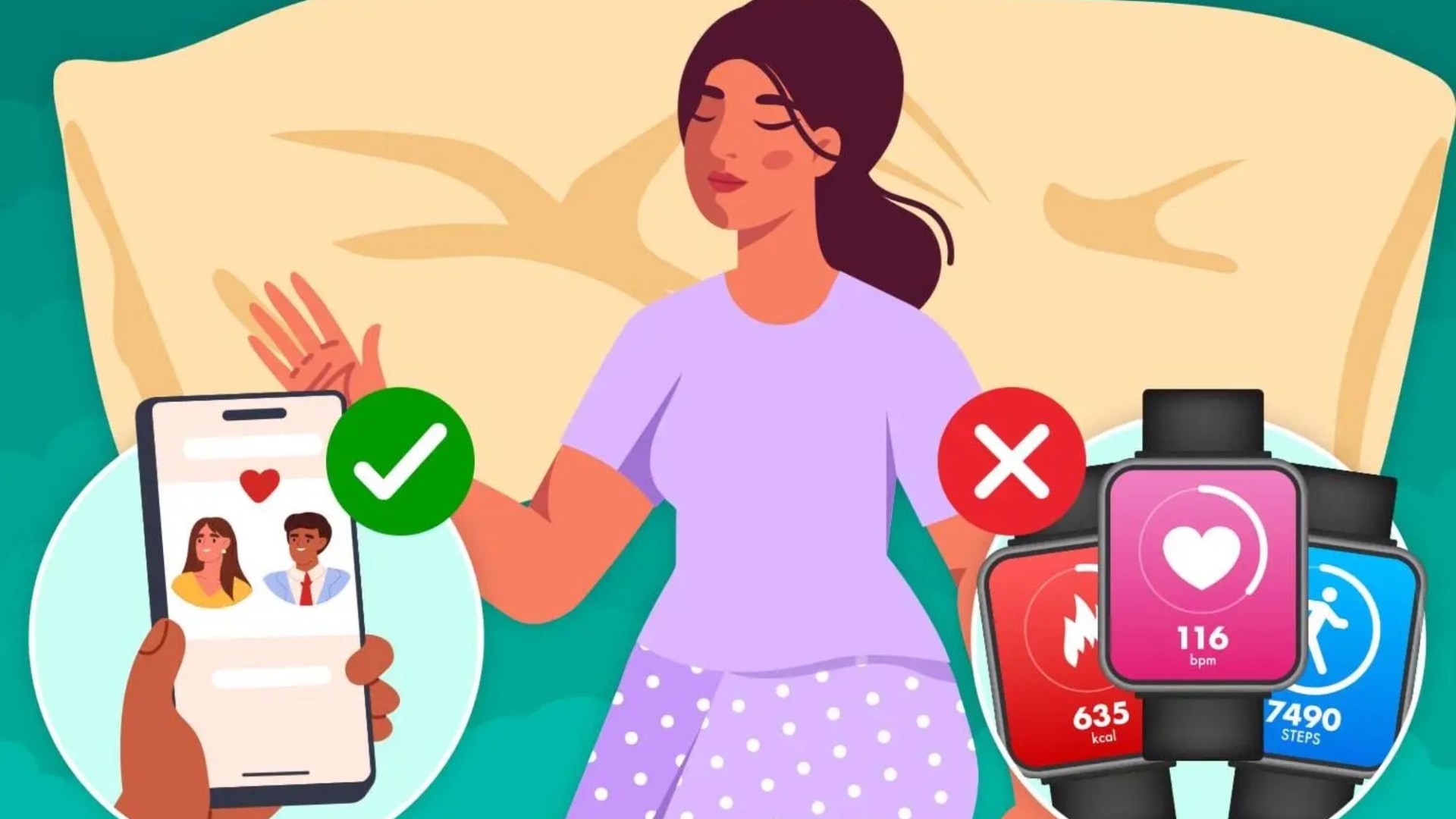
LESS than half of Brits are getting the recommended seven to nine hours of sleep a night, so it’s no wonder so many of us turn to quick fixes. Good sleep is essential for your body and mind, but it’s easy to fall into a trap of trying popular sleep hacks that can backfire and make shut-eye worse. Insomnia affects one in three Brits Credit: Getty A wind down routine before bed can help your body switch from wired and alert, to sleepy and relaxed Credit: Getty In fact, sleep may be your ticket to a better figure, lower risk of dementia, and a winter free from colds and flu, by boosting your immune system. So it’s no wonder that if you’re struggling – insomnia affects one in three Brits – you’re panicking. It’s easy to get sucked into buying gadgets, apps, or programmes that promise to fix your sleep. But you could risk a new problem – “orthosomnia”, or sleep anxiety caused by trying to achieve the perfect night’s rest. Here’s how to get good sleep without getting obsessed. 1. Data dream Tracking sleep with gadgets can actually make sleep worse, by making you obsess over it Credit: Getty Tracking sleep is easier than ever before but can create extra anxiety around a perfect night’s rest. James Wilson, known as The Sleep Geek and CEO of Sleepunity, says: “I see a common spiral: poor sleep, poor scores, then worry about sleep during the day, which makes the next night harder. The data is often inaccurate and it’s often based on signals that are not sleep itself.” In 2017, several case studies, published in the Journal of Clinical Sleep Medicine, showed that sleep trackers can actually induce stress as people worry about achieving the amount of sleep perceived as healthy. The behaviour, referred to as orthosomnia – meaning “correct sleep” – has roots in obsession, said psychologist Kelly Baron, who led the study. One case study complained of feeling “unrefreshed” after sleeping, but her sleep study in a laboratory indicated she actually had several hours of very deep sleep. But the woman seemed unwilling to accept this because her Fitbit had been telling her she was not sleeping well. Part of the problem lies in the technology itself. Increasingly popular devices “are unable to accurately discriminate stages of sleep”, the experts said. James advises taking data with a pinch of salt, and trusting how you feel instead. The signs of orthosomnia include spending excessive time in bed in order to improve sleep tracker data. 2. Forcing the issue Don’t go to bed early unless you are tired, James says Credit: Getty How often have you committed to ‘an early night’, only to lie wide awake? If you’re not remotely tired when you get into bed, you may end up associating your bed with frustration rather than sleep. “Sleep isn’t something you can force,” says James. “Understand your own rhythm and go to bed when you feel sleepy; don’t stick rigidly to a clock.” You may wonder, ‘surely I will be shattered if I go to bed when I fancy it?’ Especially for night owls, who, given permission to, would go to sleep very late, even if they had work in the morning. But the key is to relax in the evening, and help induce sleepiness earlier. Even more important is a consistent wake up time, which James describes below. 3. Nightcap before bed? Even one or two drinks reduces the amount of quality REM sleep you get Credit: Getty A few glasses of red in the evening might help you nod off as soon as your head hits the pillow. But the sleep that ensues will often be broken and light, causing you to wake up groggy. Even one or two drinks reduces the amount of REM sleep you get – the stage of sleep that helps the brain reset. REM sleep is the stage linked to memory and emotional processing. With less of it, you may feel more fatigue and poor focus the next day. The Sleep Foundation says later in the night, once your body has metabolized the alcohol in your bloodstream, you’re likely to experience a rise in N1 sleep, the lightest stage of sleep. This can lead to frequent wakings and fragmented and low-quality sleep. Alcohol is also a contributor to sleep apnoea. The condition, which affects an estimated eight to ten million Brits, causes pauses in breathing during sleep. The effect is gasping, choking and snoring during sleep, and fatigue and headaches in the daytime. AND THE HABITS THAT DO WORK… 1. Build the pressure If you can’t seem to drift off at night, you’re not building enough sleep pressure in the day. This can occur due to naps or waking up and going to bed at different times every day. “A consistent wake time helps build it properly, along with getting light early in the day,” says James. “This anchors your body clock.” Getting up at the same time every morning, even at the weekends, is the best thing to keep a consistent bedtime – yep, it starts with your first decision in the AM, not to snooze your alarm! Studies consistently show that ‘catching up on sleep’ does more harm than good. For example, a study this year found sleeping in longer at the weekend could increase the risk of insulin resistance, and therefore the risk of type 2 diabetes. The findings should act as a reminder that “consistent, adequate sleep” plays an important role in health, the scientists said. Light exposure as soon as possible tells the body that it’s ‘time to wake up’. Ever been really sleepy, but struggled to drift off at night because you let yourself nap for three hours mid-afternoon? James also says, “cutting naps, or keeping them short and earlier in the day, can help” with building sleep pressure. The best sleep routine and environment Thomas Høegh Reisenhus, TEMPUR® sleep specialist & sleep counsellor, reveals the key components of a good bedtime routine and environment... A sure-fire way to facilitate a better night’s sleep is to practice good sleep hygiene. Establish a sleep routine that works for you and stick to it. This will help your body establish a consistent, natural sleep-wake cycle which can do wonders for your overall sleep quality. As such, try to avoid making up for lost sleep with a lie-in. Instead of sleeping in, spend your morning reading a book in bed or having a leisurely coffee in the kitchen. Ensure that your bedroom, bedding, and sleepwear are fit for purpose too. The ideal sleep environment is dark, quiet, and cool – much like a cave. If you find unwelcome sources of light are keeping you up, consider investing in an eye mask or black-out curtains. Adding soft furnishings can be a great way to reduce noise, with the surfaces having an absorptive quality, but if this doesn’t work, consider embracing a soothing soundtrack to block it out. In terms of temperature, try to keep your bedroom at 18°C. You can further reduce the risk of waking up due to overheating by ensuring that all your bedding and sleepwear is made with natural, breathable materials such as cotton and linen. Bear in mind that everyone is different; what might work for most, may not work for you! Whilst knowing how much sleep you should get, how to overcome common barriers, and practicing good sleep hygiene can facilitate a great night’s sleep, if you continue to struggle with sleep or fatigue persistently, do not hesitate to visit a doctor or health professional for support. 2. Get in a routine A wind down routine before bed helps switch your body from wired and alert, to sleepy and relaxed. “For some people ten minutes is enough, for others it takes longer,” says James. It could be watching something light, doing a skincare routine, pillow talk or writing down any stressful thoughts. It’s good news for phone scrollers. While typical sleep advice will tell you to get off screens, James says it’s not a blanket rule. “If being on your phone helps you switch off, that’s fine,” says James. “If it winds you up, it’s not. “It’s all about how you feel. Build something that works for you rather than trying to follow rigid rules.” He adds that you should “be relaxed, be slightly cooler and go to bed when you feel sleepy”. 3. Awake? Get up! If you’re struggling to sleep, get up and move room until you feel sleepy again Credit: Getty Waking up in the night can be a nuisance, but struggling to get back to sleep is even worse. The best thing to do is get up, experts say. Move to another room and do a relaxing activity, such as reading or folding laundry. When you feel sleepy, head back to bed. This avoids your brain catastrophising and associating bed with tossing and turning.
The 3 sleep ‘hacks’ making insomnia WORSE – plus the ones that work, and it’s good news for late-night scrollers
Full Article
Original Source
Read the full article at Thesun →KhanList aggregates and links to publicly available news content. We do not host full articles from third-party sources. Always verify important information with original sources.