
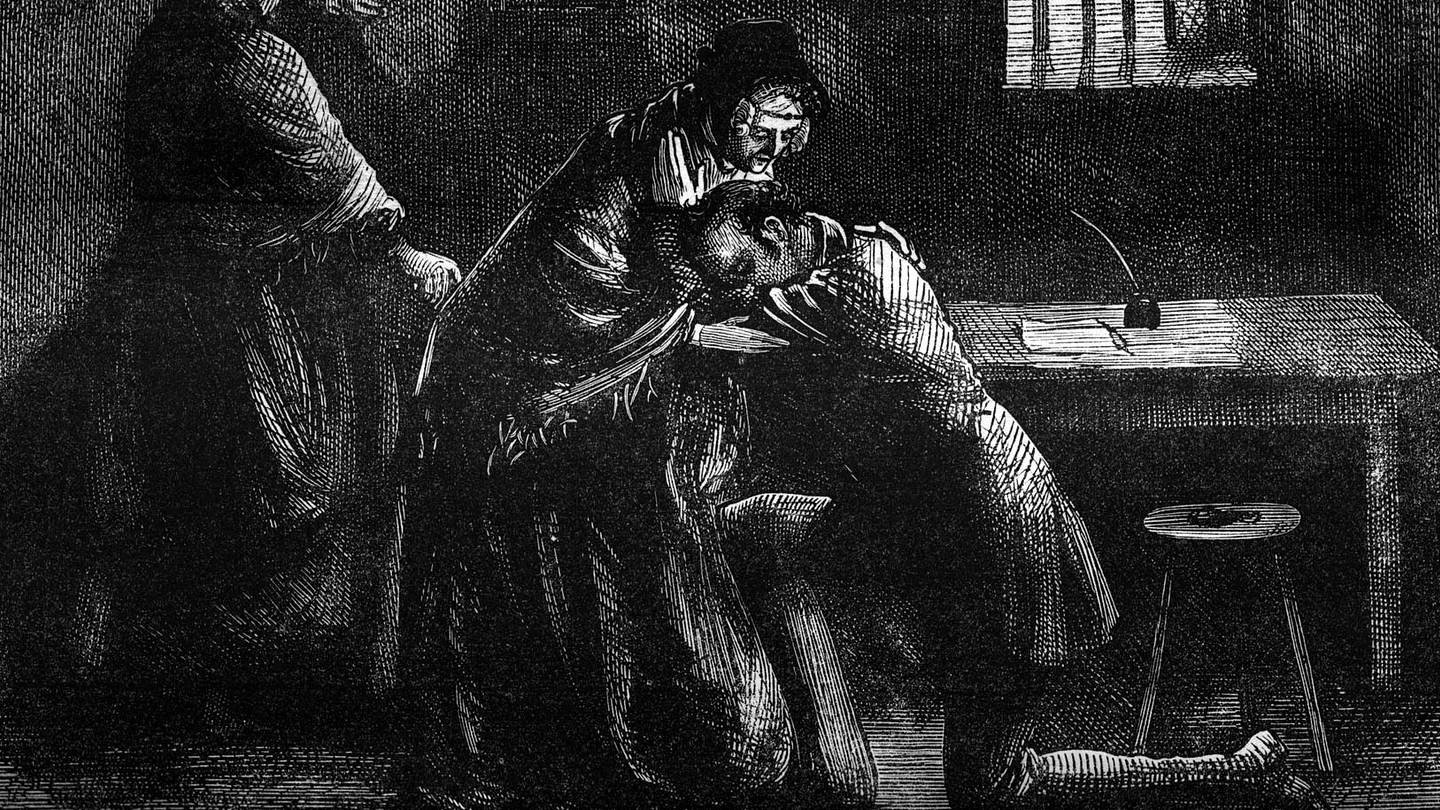
The lawsuit at the center of Charles Dickens’s Bleak House, which ran in monthly installments from 1852 to 1853, is a family dispute over a will that has been in the Court of Chancery for so long that “no man alive knows what it means.” When Jarndyce and Jarndyce is finally wound up, the estate it was fought over is gone: it has been “absorbed in costs,” as the novel puts it. So which real case was Dickens poking at? The answer you’ll hear most often comes with a doozy of a number attached, a suit filed in 1798 that supposedly dragged on until 1915.Two Suits, No NamesBleak House by Charles Dickens | Culture Club/GettyImagesDickens kicked off the guessing game himself in the preface he wrote in August 1853, the same one where he defended the spontaneous combustion of Krook: he insisted that “everything set forth in these pages concerning the Court of Chancery is substantially true, and within the truth,” and then pointed to two real cases without naming either one. The first had been going for nearly 20 years and had cost £70,000, and was, he wrote, “A FRIENDLY SUIT.” The second, still undecided, “was commenced before the close of the last century and in which more than double the amount of seventy thousand pounds has been swallowed up in costs.”The first is usually identified as the fight over the will of Charles Day, a rich manufacturer of boot blacking, which is a nice irony for a man who spent part of his childhood pasting labels on blacking pots. The second, according to legal historian Patrick Polden, was the Jennens case.William the RichGopsall Hall | Florilegius/GettyImagesWilliam Jennens died at his country house in Acton, Suffolk, in June 1798, in his late 90s. The Monthly Magazine called him the supposed richest commoner in England. The Gentleman’s Magazine said his property was thought to be worth at least £2 million, that dividends on most of his stocks hadn’t been collected since 1788, and that an iron chest held £19,000 in banknotes from that year. It also reported a will found in his coat pocket, sealed but never signed: according to his favorite servant, Jennens had left his spectacles at home on the day he went to his lawyer to sign it, and then forgot about it.So the estate went to his relatives under the law, and for more than a century people named Jennens or Jennings, in Britain and in the U.S., tried to prove they were the ones who should have gotten it. In January 1915, American papers ran an Associated Press item about the death of David Jennings in the Wolverhampton workhouse, “famous in legal circles” as a claimant to the “Jennings’ Millions,” which the item said Dickens had used as the basis for Jarndyce and Jarndyce. That may be where the 1915 end date comes from, though one version of the story noted that the case hadn’t been reopened in about 40 years.The Case Against the CaseBleak House by Charles Dickens | Culture Club/GettyImagesThe 117-year version says the case ended when legal fees had eaten the whole estate, just like in the book. Polden, who went through the court records for a two-part study in the Common Law World Review, says that isn’t what happened. Jennens’s property was handed out to his next of kin, and the lawsuits that followed were separate claims by would-be heirs, who lost every significant ruling but one. In Jennens, he writes, “there was no such fund, no ongoing case and the deadly refrain of ‘costs in the cause’ did not echo down the years.” The litigation had been dormant for 15 years by the time Dickens started writing Bleak House in November 1851, and Polden calls the idea that Dickens fictionalized it “seriously misleading.”Polden does allow that Dickens may have been thrown by a strange news episode in 1852, when papers announced the case had been settled and then took it back. And there were other candidates all along. The will of Peter Thellusson, who died in 1797, was fought over in court until the House of Lords upheld it in 1806, and a new dispute over the fortune broke out in 1858. The only link Polden found that really ties the Jennens case to the novel is a backward one: once Bleak House started coming out, people said the real case resembled the fictional one.Read More:
The 117-Year Lawsuit That May Have Inspired Dickens' 'Bleak House'
Full Article
Original Source
Read the full article at Mentalfloss →KhanList aggregates and links to publicly available news content. We do not host full articles from third-party sources. Always verify important information with original sources.