
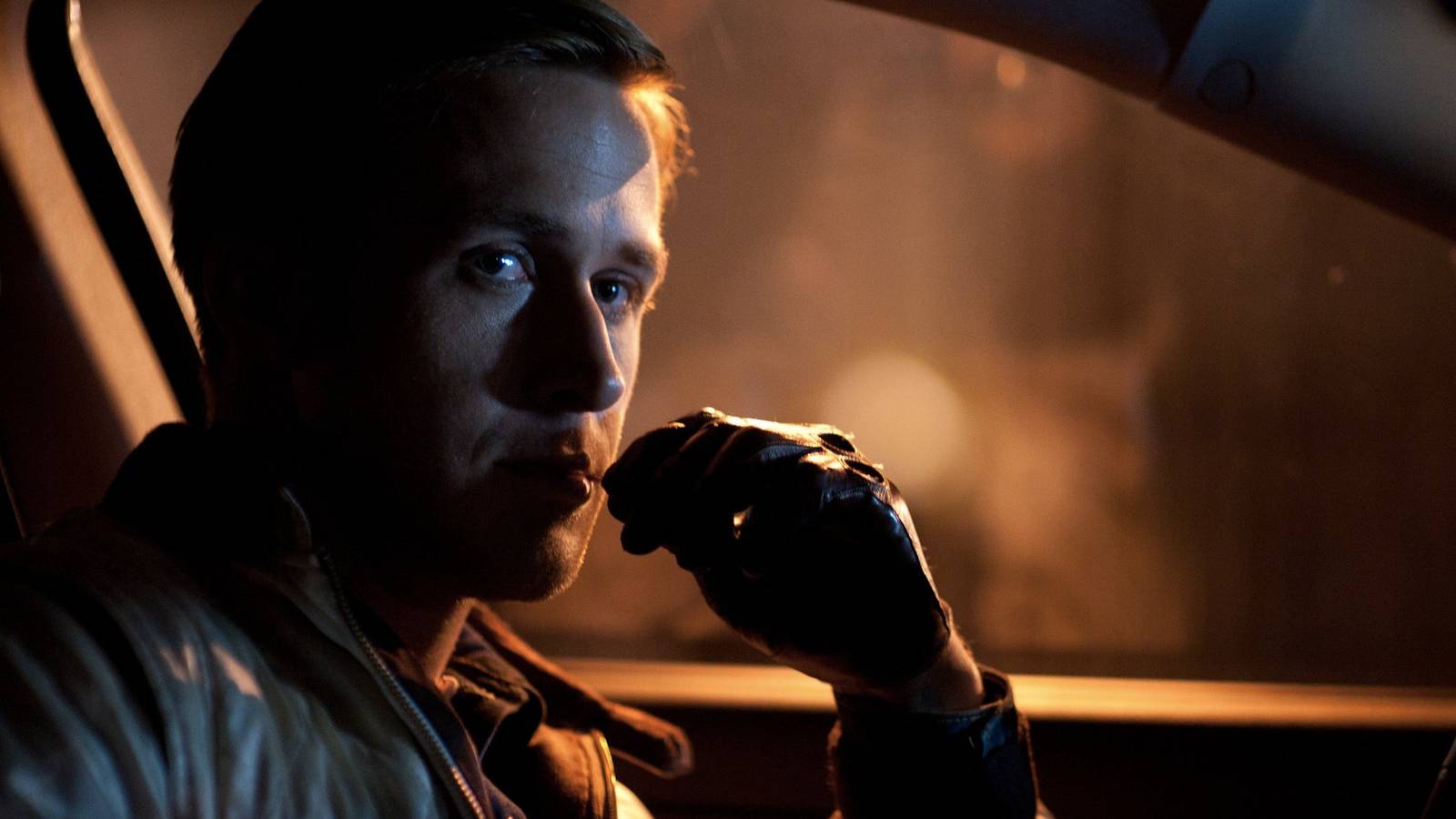
Image via FilmDistrict Published Oct 3, 2026, 7:06 AM EDT Marcel is a writer who is passionate about most movies and series. He will watch anything that's good. He is a content manager by day and a videographer when needed. Marcel used to work at a major streaming service based in Asia Pacific as a Content Specialist and was the Distribution Manager for a local movie distribution company. Sign in to your Collider account A great opening sequence can make a movie unforgettable before the story has even properly begun. Some films take their time introducing characters and establishing their worlds, while others immediately throw audiences into the action. These openings do more than grab attention: they establish the tone, introduce important characters, and often give us our first look at exactly what makes the movie special. From shocking gory kills to explosive action sequences, these are the opening sequences that know exactly how to make an entrance, leaving an immediate impression while also hyping up the audience for what comes next. The long-running James Bond franchise is famous for its great opening sequences, while notable directors like Christopher Nolan, Zack Snyder, and Quentin Tarantino have made a name for themselves for their memorable openings. So, here are the most badass opening sequences in movie history. 'Ghost Ship' (2002) Image via Warner Bros. Ghost Ship opens aboard the Italian ocean liner Antonia Graza in the 1960s. Wealthy passengers are enjoying a glamorous and carefree evening, and a little girl named Katie (Emily Browning) is seen dancing with the ship's captain as the band plays. Then, a mysterious figure pulls a lever attached to a thin metal cable. As the mechanism begins moving, the cable snaps across the deck, slicing through the passengers one by one. Bodies collapse across the dance floor, leaving only Katie alive. The deaths are shocking and brutal, as audiences do not expect this at all, especially because of how fast it all happened. Bodies are horrifically sliced, and we can see they're still struggling to piece their limbs back together. It's one of the most bone-chilling openings in a horror film. Unfortunately, nothing interesting happens afterwards, and the film is further marred by frenetic, incomprehensible editing that undermines the horror. '28 Weeks Later' (2007) Image via 20th Century Studios The opening of 28 Weeks Later sees Don (Robert Carlyle) and his wife sheltering with a small group of survivors. Their small peace is broken when they decide to take in a survivor running from infected people. The zombies storm inside and start attacking them. In his helplessness and cowardice, Don abandons his wife, who desperately calls for his help, and runs away from the horde to the river, where he escapes with a boat. It's a hard task to follow up the generational 28 Days Later, yet this opening sequence for the sequel hits all the right notes. It introduces the audience to an unconventional character who is a coward but still relatable. The scene where Don is running in the field chased by hungry zombies as the iconic "In a House - In a Heartbeat" track plays is very cool. Despite being scared, Don still fends off some zombies, including his acquaintance who turned into an infected, from getting to his boat. The central conflict where he abandons his wife plays a big part in the film later on, which makes this opening highly memorable and effective. 'GoldenEye' (1995) Image via MGM/United Artists GoldenEye opens with James Bond (Pierce Brosnan) infiltrating a Soviet chemical-weapons facility, jumping from the top of the dam and parachuting down towards the facility. There he meets up with another agent, 006 (Sean Bean). The mission quickly becomes a race against time when Bond needs to destroy the facility. His partner is captured, leaving Bond no choice but to demolish the facility with bombs. The Bond franchise is famous for its exciting cold opens, and Brosnan's films have memorable openings ranging from action-packed to ridiculous. In his first outing as Bond, the opening sequence is elegant and impactful. The bungee jump, which was filmed at the Contra Dam in Switzerland, set a record for the highest bungee jump off a fixed structure. GoldenEye primed audiences for a new version of Bond from the get-go. The film has no shortage of action sequences, including the famous tank chase scene, explaining why it's often dubbed by fans as the best film in Brosnan's era. 'Tenet' (2020) Image via Warner Bros. The opening of Tenet takes place in Kyiv, Ukraine, as a group of shadowy men is attacking a packed opera house. Among them is the Protagonist (John David Washington), who seems to be an agent working on two sides. He tries to retrieve an unknown package, while the group tries to bomb the place to cover their tracks. During this operation, he witnesses something weird: a shootout is happening backwards in time. After a mysterious man helps him, he keeps the collateral damage to a minimum, but his cover is blown. Christopher Nolan has a reputation for incredible opening sequences. Tenet is arguably his most ambitious film yet, and this opening shows that he's pulling all the stops, turning a Soviet-era concert hall in Estonia into a playground for his spy film. The action-packed sequence teases the inversion element that is crucial in the film. Moreover, it shows the resilient and resourceful nature of this nameless protagonist. Do you think everything moves too fast in this sequence? As the film says, don't think too much about it; feel it instead. Collider Exclusive · Sci-Fi Personality Quiz Which Sci-Fi Hero Are You Most Like? Paul Atreides · Captain Kirk · Princess Leia · Ellen Ripley · Max Rockatansky Five iconic heroes. Five completely different ways of facing an impossible universe. One of them shares your instincts, your values, and your particular way of refusing to back down. Eight questions will tell you which one. 🏜️Paul Atreides 🖖Capt. Kirk ✊Princess Leia 🔦Ellen Ripley 🔥Max Rockatansky FIND YOUR HERO → 01 How do you lead when the stakes couldn't be higher? The way you lead under pressure is the most honest thing about you. AI absorb everything — every variable, every pattern — and move only when I know the path forward. BI read the room, make the call, and own the consequences. Hesitation costs more than mistakes. CI rally people. A cause needs a voice, and I refuse to let fear be louder than conviction. DI assess the threat, establish what needs doing, and get it done without waiting for permission. EI don't lead. I act. Others can follow or not — I'm already moving. NEXT QUESTION → 02 What is your greatest strength in a crisis? The quality that keeps you alive when everything else fails. APrescience — the ability to see further ahead than anyone else and plan accordingly. BImprovisation — I'm at my best when the plan falls apart and I have to invent a new one. CConviction — I know what I'm fighting for, and that certainty doesn't waver under fire. DComposure — I stay functional when everyone around me is falling apart. Panic is a luxury. EEndurance — I outlast things. I take the hit and keep moving long after others have stopped. NEXT QUESTION → 03 What is the thing you'd sacrifice everything else for? Your deepest motivation is your truest compass. AThe survival and dignity of my people — even if I have to become something frightening to ensure it. BThe safety of my crew — every single one of them. No one gets left behind. CFreedom — for my people, for every world still crushed under the weight of an empire. DThe truth — what actually happened, what's actually out there, whether anyone believes me or not. EThe one person — or the one memory — that still makes any of this worth surviving for. NEXT QUESTION → 04 How do you relate to the people around you? Who you are to others under pressure is who you really are. AWith intensity and distance — I care deeply, but the weight I carry makes closeness complicated. BWith warmth and irreverence — I take the mission seriously, not myself. CWith directness and trust — I say what I mean, and I expect the people I work with to rise to it. DWith professional care but clear limits — I'll protect you, but I won't pretend we're family. EWith wariness that slowly becomes loyalty — I don't trust easily, but when I do, it holds. NEXT QUESTION → 05 You're facing a threat that no one else believes is real. What do you do? How you respond when you're the only one who sees it defines everything. APrepare in silence. If they won't listen, I'll be ready when they finally have to. BKeep pushing until someone listens — and if no one does, handle it myself. CBuild the case, find the allies, and make the threat impossible to ignore. DDocument everything. The truth matters even if no one believes it yet. EStop trying to convince anyone. Survive it. That's the only argument that counts. NEXT QUESTION → 06 What has your heroism cost you personally? Every hero pays. The question is what — and whether they'd pay it again. AMy innocence — I've seen what I'm capable of, and I can't unsee it. BPeople I loved — the command chair has a view, but it's a lonely one. CA normal life — I gave up everything ordinary the moment I chose the cause. DMy sense of safety — I know exactly what's out there now, and I can't pretend otherwise. EAlmost everything — and I'm still not sure what I'm carrying it all for. But I keep going. NEXT QUESTION → 07 How do you feel about the rules of the world you're in? Every hero has a relationship with the system. What's yours? AI understand them deeply — and I know exactly which ones must be broken, and why. BI respect the spirit of them and bend the letter when the situation demands it. CThe system is the problem. I'm not here to work within it — I'm here to dismantle it. DI follow protocol until protocol stops being useful. Then I make the call myself. EThe rules collapsed a long time ago. What's left is instinct, and mine are reliable. NEXT QUESTION → 08 When everything is on the line, what keeps you going? The answer is the most honest thing about you. ADestiny — or something that feels so much like it that the difference no longer matters. BThe people on my ship — their faces, their trust, the fact that they're counting on me. CThe belief that what we're fighting for is worth every sacrifice, including this one. DSheer refusal to let it win — whatever it is. I don't stop. That's just who I am. EI'm not sure anymore. But the road is still there, and I'm still on it. REVEAL MY HERO → Your Hero Has Been Identified Your Sci-Fi Hero Is…Your answers point to the iconic sci-fi hero who shares your instincts, your values, and your particular way of facing the impossible. Paul AtreidesYou carry a weight most people would crumble under — the knowledge of what you're capable of, and the burden of what you might have to become. You see further ahead than others and you plan accordingly, even when the vision frightens you. You are driven by loyalty to your people and a sense of destiny you didn't ask for but can't escape. Paul Atreides is not simply a hero — he is someone who understands the cost of power and chooses to bear it anyway. That gravity, that willingness to carry what others won't, is exactly you. Captain KirkYou lead with instinct, warmth, and an absolute refusal to accept a no-win scenario — because you've always believed there's a third option nobody else has thought of yet. You take the mission seriously without ever taking yourself too seriously. Your crew would follow you anywhere, not because you demand it, but because you've earned it. Kirk's genius isn't tactical — it's human. He reads people, bends rules with purpose, and wills outcomes into existence through sheer conviction. That combination of warmth, audacity, and relentless optimism is unmistakably yours. Princess LeiaYou are the kind of person who holds the line when everyone else is losing faith — not because you're fearless, but because giving up simply isn't something you're capable of. You lead through conviction. Your voice carries because your belief is unshakeable. You gave up everything ordinary the moment you chose the cause, and you've never looked back. Leia is not a supporting character in her own story — she is the moral centre of the entire rebellion. That same fierce, principled, unbreakable core is what defines you. Ellen RipleyYou are not reckless, not grandiose, and not particularly interested in being anyone's hero — you just refuse to stop when it matters. You see threats clearly, you document the truth even when no one listens, and when the time comes you handle it yourself. Ripley's heroism is earned, not performed. She doesn't have a speech — she has a flamethrower and a plan. You share her composure under the worst possible pressure, and her refusal to pretend the monster isn't there. When it counts, you don't flinch. That's everything. Max RockatanskyYou have been through fire that would break most people — and what came out the other side is something the world underestimates at its peril. You don't ask for help, don't need validation, and don't wait for anyone to tell you the rules no longer apply. Your loyalty, when it finally arrives, is absolute — but it's earned in silence and tested in action, not in words. Max is not a nihilist. He is someone who lost everything and found, against his will, that he still has something worth protecting. That bruised, stubborn, ultimately human core is exactly yours. ↻ RETAKE THE QUIZ 'Drive' (2011) Image via FilmDistrict Drive opens by following the Driver (Ryan Gosling) as he takes on a getaway job for two criminals. After picking up his car from Shannon (Bryan Cranston), he moves into position. Meticulously looking at the time and listening to police radio, he waits for the criminals to get out. Then, the Driver has to evade the police and blend with the crowd, succeeding. This opening effortlessly establishes the Driver as extraordinarily capable. Ryan Gosling barely needs to say anything (he does not say a lot in this movie anyway), and audiences can see his confidence and meticulousness from the way he drives and how he sees his surroundings. Nicolas Winding Refn avoids making the sequence feel like a conventional action-movie car chase by shooting from the car's point of view, putting the audience practically in the Driver's seat. The whole sequence is accompanied by a minimalistic yet highly intense score by Cliff Martinez, which heightens the atmosphere. 'Watchmen' (2009) Image via Warner Bros. Pictures Just like the graphic novel, Watchmen begins with the murder of the Comedian (Jeffrey Dean Morgan) inside his luxurious apartment. Blake, who is just enjoying himself watching television, is attacked by a masked man who is as skilled as he is. Blake throws the attacker across the room and onto the floor, but his opponent ultimately gains the upper hand and throws him from the apartment window, sending him crashing onto the pavement below. There is a reason why many people still regard Watchmen as one of Zack Snyder's best films. It may be one of his few efforts that fits his sensibilities of ultra-violence and hyper-stylized visuals. The sequence employs a lot of Snyder's signature speed-ramping and slow-motion techniques, and they look incredibly cool, especially on the big screen. The whole thing has a unique feel, with Nat King Cole's "Unforgettable" playing in the background as the two men brutally brawl. From there, the movie transitions into its famous opening montage, where it moves through decades of alternate American history filled with masked heroes. 'The Dark Knight' (2008) Image via Warner Bros. Pictures The Dark Knight immediately opens with a bank robbery in downtown Gotham carried out by criminals in clown masks. Each of them has a job to do in this carefully planned heist, but it turns out they have been instructed to eliminate one another as the job progresses, with each man believing he is simply following the plan. As the robbery unfolds, the last man standing is confronted by the bank manager. He reveals himself as the Joker (Heath Ledger), the mastermind of the heist, and leaves the scene on a school bus. This is the film that set the standard for Christopher Nolan's opening sequences. The director spends the entire sequence building a mystery around the robbery, allowing the audience to slowly realize that the apparent chaos is actually the result of meticulous planning. After watching several criminals kill one another, we finally discover that the man responsible is simply sowing the seeds of chaos. The heist shows the Joker's cunning and cruel nature, setting intense stakes thanks to Hans Zimmer and James Newton Howard's score. It's one of the best character introductions in cinema. 'Inglourious Basterds' (2009) Image via Universal Pictures The opening of Inglourious Basterds follows SS Colonel Hans Landa (Christoph Waltz) arrives at the farmhouse of a French farmer. Landa appears polite and almost charming, but his questions quickly reveal that he is investigating rumors that the family has been hiding Jewish refugees. Landa ultimately forces the farmer into admitting that the Dreyfus family is hiding beneath the floorboards using English, which the Dreyfuses do not understand. Landa orders the execution, but one of the daughters manages to escape. Different from the other films on this list, Inglourious Basterds relies only on dialogue. Nothing happens in the conventional action sense, yet the tension is almost unbearable. Quentin Tarantino starts the conversation talking about milk, languages, and household details, until Landa dominates the room and pushes the farmer into revealing his secrets. Waltz's performance is central to this, never once needing to raise his voice; his politeness actually makes him more frightening. By the time the violence finally erupts, Tarantino has stretched the tension so far that the gunfire feels almost inevitable. 'The Matrix' (1999) Image via Warner Bros. Pictures The Matrix begins in the middle of a police operation involving Trinity (Carrie-Anne Moss), who is being pursued by armed officers. The police surround a building where she is hiding, confident that they have her trapped. Instead, Trinity launches into a spectacular display of martial arts and impossible physical movement. Several agents, including Agent Smith (Hugo Weaving), track her down, but she manages to escape. This opening is highly effective and badass because it introduces The Matrix right from the get-go. Trinity's movements are almost impossible, but the movie presents them with such confidence that the audience instinctively understands that this world is not like ours. The sequence also gives the first taste of the famous bullet-time shot, freezing Trinity's body mid-air while the camera moves around her, all while introducing the mystery in an efficient way and teasing all the workings of the movie. It's so good that Lana Wachowski remade it in The Matrix Resurrections. 'Casino Royale' (2006) Image via Sony Pictures Releasing Casino Royale opens in black and white with James Bond (Daniel Craig) tracking down a corrupt MI6 section chief in Prague. As he confronts him, it is revealed that Bond is still earning his status as a double-O agent. He has taken down the section chief's contact in a brutal fight in a bathroom, shooting him as he threatens to rise again. And just like that, Bond is promoted to a double-O agent. Some people might not remember, but Daniel Craig's casting as Bond was initially controversial because he did not look like the traditional Bond type (a blonde Bond? Perish the thought!). This opening is badass for several reasons. First, it shows that Craig is perfect for the role. It also establishes a new breed of 007, one who is more serious, relentless, and rougher than the elegant spy associated with earlier films. And lastly, it set the tone for the next four films in Craig's era. By the time Chris Cornell's "You Know My Name" plays in the film's minimalist gunbarrel sequence, audiences have met the new Bond that you'd want to follow. Casino Royale Release Date November 17, 2006 Cast Daniel Craig, Eva Green, Mads Mikkelsen, Judi Dench, Jeffrey Wright, Giancarlo Giannini, Caterina Murino, Simon Abkarian, Isaach De Bankolé, Jesper Christensen, Ivana Miličević, Tobias Menzies, Claudio Santamaria, Sébastien Foucan, Malcolm Sinclair, Richard Sammel, Ludger Pistor, Joseph Millson, Darwin Shaw, Clemens Schick, Emmanuel Avena, Tom Chadbon, Ade, Urbano Barberini, Tsai Chin Runtime 144 minutes Director Martin Campbell Writers Neal Purvis, Paul Haggis, Robert Wade, Ian Fleming
The 10 Most Badass Opening Scenes in Movie History
Full Article
Original Source
Read the full article at Collider →KhanList aggregates and links to publicly available news content. We do not host full articles from third-party sources. Always verify important information with original sources.