
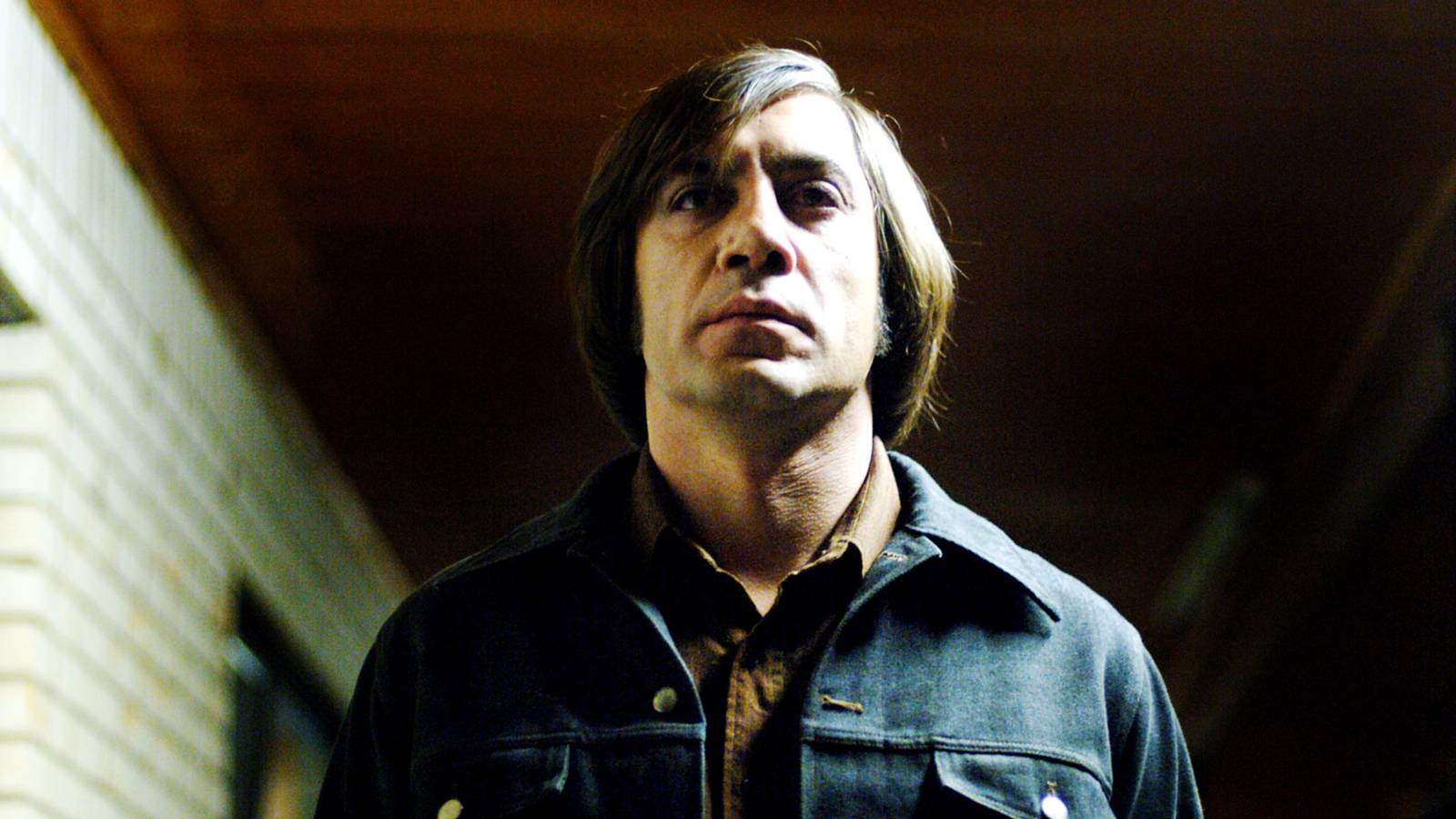
Image via Miramax Films Published Aug 3, 2026, 1:12 PM EDT Jeffrey Speicher is a Senior Features Writer and List Writer for Collider. He is a screenwriter for film and television, with a passion for science fiction and psychological drama. He lives in Dallas, Texas, but can't stand the Cowboys and now the Mavericks since they traded Luka Dončić. His crime novel, The Snitch, is available on Amazon. Just let him sit and watch a Texas Rangers baseball game without distraction occasionally, and he's good. Sign in to your Collider account There are only a handful of villains in film that are so diabolical that they leave a lasting imprint on our frontal cortex during and years after seeing them on the big screen. They are the characters that, even if they are foiled in the end by the antagonist, audiences leave the theater thinking, "Now that was an evil ass villain!" Gary Oldman has played several twisted villains and finds his name on this list more than once. The same can be said of Kevin Spacey. Some are bombastic and over-the-top, while others prefer the less-is-more mustache-twirling approach. Either way, they must check all the right boxes to be included in this list of the ten best. First, they must make the audience eager to see their next scene. Great villains often steal the show from the good guys. Second, they have to make the viewer so disgusted with them that a part of you doesn't even like the actor or actress playing the part, only to realize that the hate comes from a spot-on performance that pushed the movie to the next level. Finally, they must be unforgettable! Here are the best villains in thriller movies, ranked. 10 Amy Dunne 'Gone Girl' (2014) Image via 20th Century Studios Rosamund Pike delivered what may be her best performance in 2014's Gone Girl opposite Ben Affleck. Director David Fincher is always on point, but even he couldn't have expected such a deliciously villainous turn by Pike. As a psychopathic suburban housewife, she is as conniving as they come. All it takes is her husband's infidelity to make it appear that he is the main suspect in her disappearance. Normal people who aren't happy being married get divorced. But Pike's plan is so intricate that it is mesmerizing to watch her unravel while maintaining a flat affect and typical facade. She will smite anyone who gets in the way of her horrifying plan. While husband Nicholas is left to flop around like a freshly caught fish under the microscope of the nation's media, she is off killing old lovers and covering herself in their blood. Rosamund Pike seriously upped the ante for female villains, and audiences should thank her for minting a new gold standard. 9 Alonzo Harris 'Training Day' (2001) Image via Warner Bros. "King Kong ain't got nothin' on me!" No, Denzel Washington, no, he doesn't. Antoine Fuqua's tale of a dirty narcotics cop taking the wide-eyed rookie Jake Hoyt (Ethan Hawke) out for his first day as a member of Alonzo Harris' rogue squad is movie-making at its best. The great thing about Fuqua and Washington and their collaboration on Training Day is how the audience is slowly taken along with the two cops for a day, seeing how, with each scene, they up the ante on just how far Alonzo will go to abuse the people he deems unimportant. Denzel Washington as Alonzo Harris is what we have grown to expect from the phenomenally prolific and highly decorated actor. However, this performance stands out because Fuqua trusts his leading man to take the character to another level. With this freedom, Washington absolutely owns every scene he is in and is an unquestioned alpha amid a dirty squad filled with misguided bravado and faux machismo. Harris's toxic masculinity is so stomach-churning that it earned him his first Best Actor Oscar and a place squarely on the list. 8 Clarence Boddicker 'RoboCop' (1987) Image via Orion Pictures Maybe seeing the dad from That '70s Show on this list is a bit of a surprise? Not if you've seen Paul Verhoeven's 1987 science fiction action thriller mashup RoboCop. Peter Weller is Murphy, a cop who is killed in the line of duty by Boddicker (Smith) and his group of miscreants and minions, only to be brought back as the future of law enforcement. As part robot and part human, it is an early glimpse into a dystopian society that relies on sentient artificial intelligence to be better and more dependable than the flawed cops that patrol the streets today. Something makes Kurtwood Smith as Boddicker pop off the screen, but we can't quite pinpoint it. It is a combination of his moxy, his relative intelligence compared to his lackeys, and a charisma that you don't see in many of the villains of the time. Maybe it's the most gruesome way that he and his men turn Murphy into Swiss cheese without even blinking. He is a dystopian Hans Gruber and deserves a place on the list for a compelling presence that is impossible to get out of your head. 7 Anton Chigur 'No Country for Old Men' (2007) Image via Miramax Films "Call it, friend-o." Javier Bardem's low baritone voice as Anton Chigur in the Coen Brothers 2007 film No Country for Old Men is perfectly haunting. When Llewelyn Moss (Josh Brolin) foolishly thinks he can quickly grab a tote bag full of cash, Chigur is deployed to track him down across the vast and dusty West Texas plains. It is a beautiful game of cat and mouse, with Chigur being the closest to a human Terminator we have seen. Bardem, as Chigur, has all the elements of a classical villain but with a very Coen-esque twist. He speaks infrequently, making you lean on every word he utters. The creepy, low dulcet is also a great aspect. But what puts Chigur over the top is the excellent bowl haircut and his unique modus operandi. An air gun used to kill cattle before taking them to slaughter is also a Coen thing and very Texan. Turning that into a weapon used against his victims is top-notch. 6 Det. Norman Stansfield 'Leon: The Professional' (1994) Image via Gaumont Buena Vista International Some call it Leon: The Professional, while others call it simply The Professional. Whatever the case, the movie delivered one of the best villains of the big screen in the pill-popping dirty cop Detective Norman Stansfield (Gary Oldman). In the first of two smashingly spot-on bad dudes, Stansfield decides that he has had enough of the French assassin, Leon, and his young charge, Matilda (Natalie Portman). They can both finger him for the brutal killing of Matilda's foster family. Stansfield is the worst kind of filthy cop. He uses his badge to exert authority and power over the people he is supposed to protect. He even kills an innocent little boy to cover up his misdeeds. His demand, calling in "EVERYONE!!!" for backup when realizing Leon is the worst man he has ever dealt with, is one of the classic villain lines. Stansfield isn't one of those bad guys we want to see succeed, and that's because Gary Oldman has proven time and again that he can make audiences really despise him and take it home with them after the movie. Collider Exclusive · Oscar Best Picture Quiz Which Oscar Best PictureIs Your Perfect Movie? Parasite · Everything Everywhere · Oppenheimer · Birdman · No Country Five Oscar Best Picture winners. Five completely different visions of what cinema can be — and what it can do to you. One of them is the film that was made for the way your mind works. Ten questions will figure out which one. 🪜Parasite 🌀Everything Everywhere ☢️Oppenheimer 🐦Birdman 🪙No Country for Old Men FIND YOUR FILM → 01 What kind of film experience do you actually want? The best movies don't just entertain — they leave something behind. ASomething that pulls the rug out — that makes me think I'm watching one kind of film and then reveals I'm watching another entirely. BSomething overwhelming — funny, sad, absurd, and genuinely moving, all at once. CSomething grand and weighty — a film that makes me feel the full scale of what I'm watching. DSomething formally daring — a film that pushes what cinema can even do. ESomething lean and relentless — pure tension with no wasted frame. NEXT QUESTION → 02 Which idea grabs you most in a film? Great films are driven by a central obsession. What's yours? AClass, inequality, and what people are willing to do when desperation meets opportunity. BIdentity, family, and the chaos of trying to hold your life together when everything is falling apart. CGenius, moral responsibility, and the catastrophic weight of a decision you can never take back. DEgo, legacy, and the terror of becoming irrelevant while you're still alive to watch it happen. EEvil, chance, and whether moral order actually exists or if we just tell ourselves it does. NEXT QUESTION → 03 How do you like your story told? Form is content. The way a story is shaped changes what it means. AGenre-twisting — I want it to start in one lane and migrate into something completely different. BMaximalist and genre-blending — comedy, action, drama, sci-fi, all in one ride. CEpic and non-linear — cutting between timelines, building a mosaic of cause and consequence. DA single unbroken flow — I want to feel like I'm living it in real time, no cuts to safety. ESpare and precise — every scene doing exactly what it needs to do and nothing more. NEXT QUESTION → 04 What makes a truly great antagonist? The opposition defines the protagonist. What kind of opposition fascinates you? AA system — invisible, structural, and almost impossible to fight because it has no single face. BThe self — the ways we sabotage, abandon, and fail the people we love most. CHistory — the unstoppable momentum of events that no single person can stop or redirect. DThe industry — the machinery of culture that chews up talent and spits out irrelevance. EPure, implacable evil — a force so certain of itself it becomes almost philosophical. NEXT QUESTION → 05 What do you want from a film's ending? The final note is the one that lingers. What do you want it to sound like? AShock and inevitability — a conclusion that recontextualises everything that came before it. BEarned emotion — I want to cry, laugh, and feel genuinely hopeful, even if the world is a mess. CDevastation and grandeur — an ending that makes me sit in silence for a few minutes after. DAmbiguity — something that leaves enough open that I'm still thinking about it days later. EBleakness — an honest refusal to pretend the world is tidier than it actually is. NEXT QUESTION → 06 Which setting pulls you in most? Where a film takes place shapes everything — mood, stakes, what's even possible. AA gleaming modern city with a hidden underside — beauty masking rot, wealth masking desperation. BA collapsing suburban life that opens onto something infinite — the multiverse of a single ordinary person. CThe corridors of power and science at a world-historical turning point — where decisions echo for decades. DThe grimy, alive chaos of New York and Hollywood — fame as both destination and trap. EVast, indifferent landscape — desert and highway where violence arrives without warning or reason. NEXT QUESTION → 07 What cinematic craft impresses you most? Every great film has a signature — a technical or artistic element that makes it unmistakable. AProduction design and mise-en-scène — every frame composed to carry meaning beneath the surface. BEditing and tonal control — the ability to move between registers without losing the audience. CScore and sound design — music that becomes inseparable from the dread and awe of what you're watching. DCinematography as performance — the camera not recording events but participating in them. ESilence and restraint — what's left unsaid and unshown doing more work than any dialogue could. NEXT QUESTION → 08 What kind of main character do you root for? The protagonist is the lens. Who you choose to follow says something about you. ASomeone smart and resourceful who makes increasingly dangerous decisions under pressure. BSomeone overwhelmed and ordinary who turns out to be capable of something extraordinary. CA brilliant, tortured figure whose gifts and flaws are inseparable from each other. DA self-destructive artist whose ego is both their superpower and their undoing. EA quiet, principled person trying to make sense of a world that has stopped making sense. NEXT QUESTION → 09 How do you feel about a film that takes its time? Pace is a choice. Some films sprint; others let tension accumulate slowly, deliberately. AI love a slow build when I know the payoff is going to be seismic — patience for a devastating reveal. BGive me relentless momentum — I want to feel breathless and emotionally spent by the end. CEpic runtime doesn't scare me — if the material demands three hours, give me three hours. DI want it to feel propulsive even when nothing is technically happening — restless energy throughout. EDeliberate and unhurried — I want dread to accumulate in the spaces between the action. NEXT QUESTION → 10 What do you want to feel walking out of the cinema? The best films leave a mark. What kind of mark do you want? AUnsettled — like I've just seen something I can't fully explain but can't stop thinking about. BMoved and energised — like the film reminded me what actually matters and gave me something to hold onto. CHumbled — like I've been in the presence of something genuinely important and overwhelming. DExhilarated — like I've just seen cinema doing something it's never quite done before. EHaunted — like a cold, quiet dread that stays with me for days. REVEAL MY FILM → The Academy Has Decided Your Perfect Film Is…Your answers have pointed to one Oscar Best Picture winner above all others. This is the film that was made for the way your mind works. ParasiteYou are drawn to films that operate on multiple levels simultaneously — that begin in one genre and quietly, brilliantly migrate into another. Bong Joon-ho's Parasite is a film about class, desire, and the architecture of inequality that manages to be darkly funny, deeply suspenseful, and genuinely shocking across a single extraordinary running time. Your instinct is for cinema that hides its true intentions until the moment it's ready to reveal them. Parasite is exactly that — a film that rewards close attention and punishes assumptions, right up to its devastating final image. Everything Everywhere All at OnceYou want it all — and this film gives you all of it. The Daniels' Everything Everywhere All at Once is one of the most maximalist films ever made: action comedy, multiverse sci-fi, family drama, existential crisis, and a genuinely earned emotional core that sneaks up on you amid the chaos. You are someone who responds to ambition, who doesn't want cinema to choose between being entertaining and being meaningful. This film refuses that choice entirely. It is overwhelming by design, and its overwhelming nature is precisely the point — because the feeling of being crushed by infinite possibility is exactly what it's about. OppenheimerYou are drawn to cinema on a grand scale — films that understand history not as a backdrop but as a force, and that place their characters inside that force and watch what happens. Christopher Nolan's Oppenheimer is a film about the terrifying gap between what we can do and what we should do, told with the full weight of one of the most consequential moments in human history behind it. You want your films to feel important without feeling self-important — to earn their ambition through sheer craft and the gravity of their subject. Oppenheimer does exactly that. It is enormous, complicated, and refuses easy comfort. BirdmanYou are drawn to films that foreground their own construction — that make the how of the filmmaking part of the what it's about. Alejandro González Iñárritu's Birdman, shot to appear as a single continuous take, is cinema examining itself through the cracked mirror of a fading actor's ego. You respond to formal daring, to the feeling that a film is doing something that probably shouldn't be possible. Michael Keaton's performance and Emmanuel Lubezki's restless camera create something genuinely unlike anything else — a film that is simultaneously about creativity, relevance, self-destruction, and the impossibility of ever truly knowing if your work means anything at all. No Country for Old MenYou are drawn to cinema that trusts silence, that refuses to explain itself, and that treats dread as a form of meaning. The Coen Brothers' No Country for Old Men is a film about the arrival of a new kind of evil — implacable, arbitrary, and utterly indifferent to the moral frameworks we use to make sense of the world. It is one of the most formally controlled films ever made, and its controlled restraint is what makes it so terrifying. You want your films to haunt you, not comfort you. You are not interested in resolution if resolution would be dishonest. No Country for Old Men is honest in a way that most cinema never dares to be. ↻ RETAKE THE QUIZ 5 Hans Gruber 'Die Hard' (1988) Image via 20th Century Fox Easily the best villain of the '80s, Hans Gruber (Alan Rickman) redefined what made him a diabolical foe in John McTiernan's 1988 seminal action thriller Die Hard. When he and his team of ruthless mercenaries raid the Nakatomi Tower with their sights set on millions in bearer bonds, it appears the only one who can save the day is NYPD cop John McClane (Bruce Willis). But as rogue and hardened as the men who take McClane's wife Holly (Bonnie Bedelia) and her co-workers hostage, there is no doubt who controls this group of hired thugs, and it is the meticulous Gruber. Rickman plays Gruber with such confidence that it changes how we view villains on screen. When executing his plan, he is so calm and collected that you almost want him to get away with the bonds. The argument over Die Hard shouldn't be whether it is a Christmas movie. The real debate is whether Gruber is better than the greatest Bond villains, like Goldfinger, Blofeld, and Dr. No. Gruber was more than a great villain; he was a bridge between the Bond villain and the suave foils we see on the big silver screen today. 4 John Doe 'Se7en' (1995) Image via New Line Cinema Dante never knew that his seminal work, Dante's Inferno, would inspire a crazed madman to unleash a series of ghoulish murders in David Fincher's beautifully macabre film Se7en. The naked, dark, and rainy city that detectives William Somerset (Morgan Freeman) and David Mills (Brad Pitt) navigate in pursuit of a calculated and brilliant madman is a gritty crime noir at an elite level. John Doe is on a mission to be the angel of death and write the wrongs of society. He leads our protagonists through a ghastly maze of blood and guts, ending with the unforgettable "What's in the box?" line. It was actually difficult ranking John Doe this low, but we couldn't have two Spacey characters back-to-back. The script, written by Andrew Kevin Walker, is a masterful combination of established classical literature and a modern noir interpretation. Mills and Somerset have an uneasy chemistry caused by the unrelenting drive of one of the craziest villains ever captured on film. There is a sense of impending doom that is punctuated by Spacey's minimalist performance. Make no mistake, John Doe has the upper hand, and Mills is too short-sighted to see it. This is another jewel of a villain that overshadows two formidable protagonists with his subdued insanity. 3 Annie Wilkes 'Misery' (1990) Image via Columbia Pictures Based on the Stephen King novel, Misery is essentially a two-act play, with tour-de-force performances from Kathy Bates and James Caan. Caan plays Paul Sheldon, a prolific and popular author who probably wishes he had died in a snowy cliffside car accident. Instead, his "greatest fan," Annie Wilkes, pulls him from the wreckage and returns him to her remote cottage. It is the beginning of a convalescent nightmare that Annie would only allow to progress to a certain point before taking a sledgehammer to his legs. Bates is spectacular as the delusional and murderous Wilkes. Her soft demeanor only lasts as long as she completely controls Paul's rehabilitation. When he gets close to getting out of bed and walking, she "hobbles" the helpless man, setting his recovery back to the beginning. Annie is demanding rewrites that satisfy her fantasy of Sheldon's characters. And when her "dirty birdie" idol hatches a plan to escape her demented wrath, things get truly out of hand. Appropriately, Paul's typewriter becomes his best weapon as he struggles to save himself from a crazed fan. 2 Drexl Spivey 'True Romance' (1993) Image via Warner Bros. Appearing for a second time, the outstanding British performer Gary Oldman deserves this spot on the list. True Romance is a gritty noir thriller written by the illustrious Quentin Tarantino. It boasts an incredible ensemble cast, including Christian Slater, Patricia Arquette, Brad Pitt, Dennis Hopper, Christopher Walken, Val Kilmer, and Tom Sizemore. In a movie that continues to up the ante with every scene, it is Oldman's portrayal of pimp and drug dealer Drexl Spivey that stands out amongst a host of solid and unsavory performances. One of the best indicators of a great villain is how sleazy you feel in your gut while they're on the screen. And Drexl Spivey is one of the filthiest. With his cloudy eye, scarred face, dreadlocks, and an open leopard-skin robe, he plays tether ball with that swinging shag-tasseled lamp and makes the viewer squirm in the worst way. He treats Alabama (Arquette) like property, and when Clarence (Slater) gets the better of him in a no-holds-barred brawl in Spivey's place of business, you feel satisfaction but also a little sad that you won't get to see any more of Oldman's singular turn as Spivey. "It ain't white boy day, is it?" 1 Keyser Soze/Roger "Verbal" Kint 'The Usual Suspects' (1995) Image via Gramercy Pictures There is little debate that the top spot on the list goes to a villain so well-disguised that we don't even know we've been looking at him throughout The Usual Suspects. Kevin Spacey makes a list a second time, and his portrayal of Roger "Verbal" Kint/Keyser Soze is easily the most inventive and twisted bad guy in the last 50 years of thrillers. The cast is stellar, including Gabriel Byrne, Benicio Del Toro, Chazz Palminteri, Stephen Baldwin, Kevin Pollak, and Giancarlo Esposito. It is so freaking good that you're not even sure what you just saw. A relatively unknown Spacey gets buried on the marquee with little billing. Try to pick from the most quotable movie villain ever: "I used to be in a barbershop quartet in Skokie, Illinois...Back when I was picking beans in Guatemala...How do you shoot the Devil in the back?... The greatest trick the Devil ever pulled was convincing the world he didn't exist...And like that, he's gone!" Keyser Soze is movie magic at its best, brilliantly written by Christopher McQuarrie and directed by Bryan Singer. The twist ending is unforgettable, but it's a marvelous performance by Spacey as a disabled man who watches everything unfold along with the audience, only to pull the rug out from under us. Was Redfoot even real? The fact that Verbal narrates the film is another double bird by McQuarrie that never felt so good. He was a monster hidden in plain sight and as cold-blooded as they come.
The 10 Greatest Villains in Thriller Movies, Ranked
Full Article
Original Source
Read the full article at Collider →KhanList aggregates and links to publicly available news content. We do not host full articles from third-party sources. Always verify important information with original sources.