
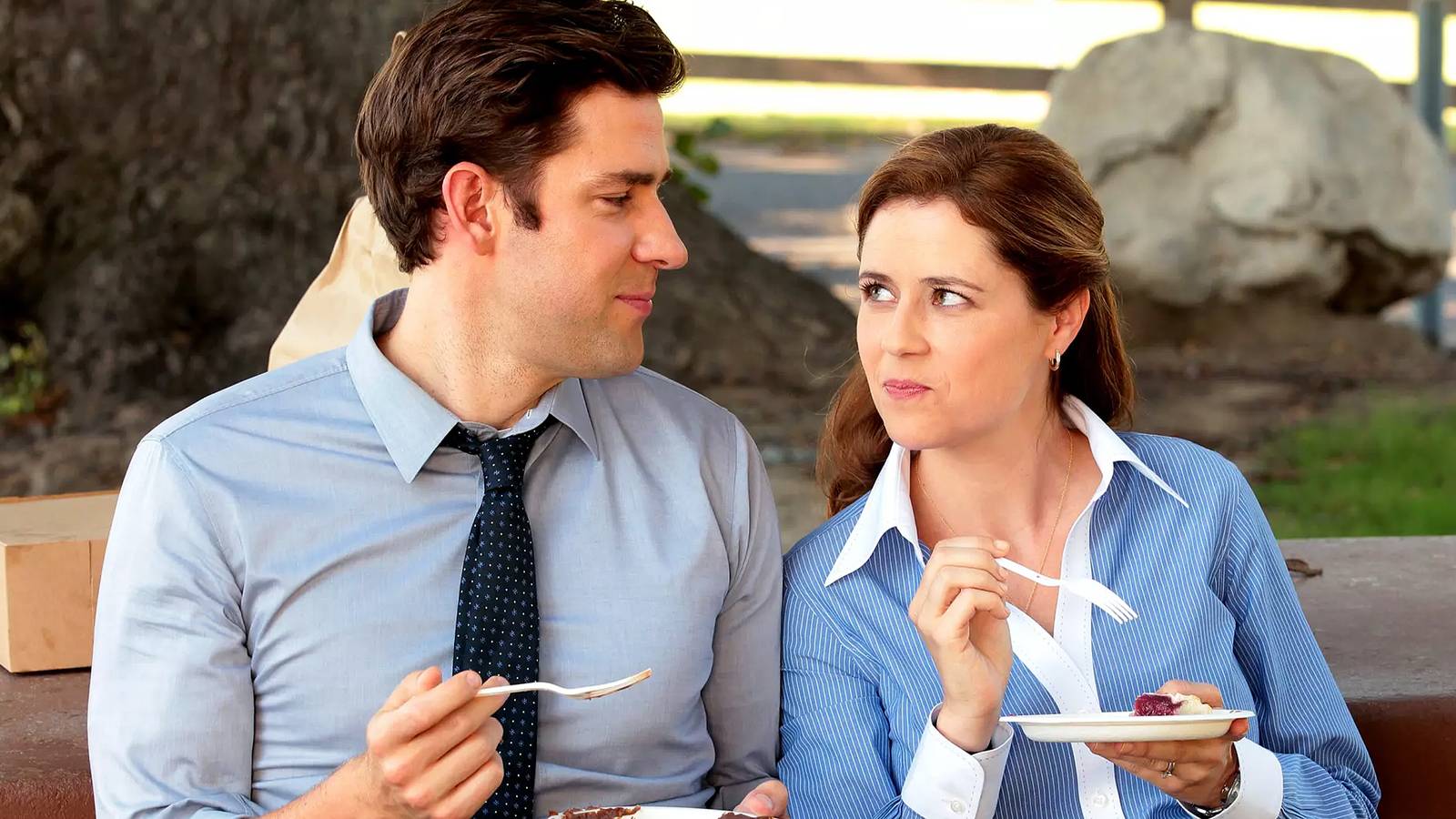
Image via NBC Published Jul 23, 2026, 8:32 AM EDT David is a Senior Editor at Collider focused primarily on Lists. His professional journey began in the mid-2010s as a Marketing specialist before embarking on his writing career in the 2020s. At Collider, David started as a Senior Writer in late 2022 and has been a Senior Editor since mid-2023. He is in charge of ideating compelling and engaging List articles by working closely with writers, both Senior and Junior, as well as other editors. Occasionally, David also reviews movies and TV shows and writes episode recaps. Currently, David is also writing his second novel, a psychological horror satire that will, hopefully, be picked up for publication sometime next year. Sign in to your Collider account Comedy as a genre has always been huge in the world of television. Comedy shows—from purely comedic outings to sitcoms and dramedies—have always occupied a special place in the audience's mind, largely because of their undemanding yet highly rewarding natures. Comedies are ideal to sit back and relax, not quite asking their viewers to turn off their brains but never overstepping their welcome. The 2000s produced several incredible comedies. The new millennium's changing attitudes produced works of true genius, groundbreaking comedies that pushed boundaries while still embracing tradition. In many ways, the best comedies from the 2000s are the last of their kind, sandwiched between Gen X ideas from the '90s and the new wave of trends from the 2010s. These comedies are funny, wicked, and brilliant, genuine works of humorous excellence that stand tall and proudly in the pantheon of great shows from the small screen. 10 'Malcolm in the Middle' (2000–2006) Image via Fox Malcolm in the Middle premiered in the spring of 2000, and noughties pop culture was never the same. Frankie Muniz stars as the titular character, an 11-year-old prodigy living with his lower-middle-class family, a dysfunctional yet well-meaning bunch. The show chronicles the family's life and their numerous misadventures with friends and family. Acclaimed for its dark, biting humor and earnest take on working-class families, Malcolm in the Middle was a worthy heir to sitcoms that came before, like Roseanne. Benefitting from an impressive cast, including the underrated Jane Kaczmarek and future Walter White, Bryan Cranston, Malcolm in the Middle is an influential comedy that paved the way for future single-camera hits like The Office and Arrested Development. In Frank Reynolds' words, Malcolm "changed the game." 9 'The Office' (2005–2013) Image via NBC Universal And speaking of The Office, few shows have the chokehold this wacky series has on pop culture. Steve Carell stars as Michael Scott, the largely useless and highly unprofessional regional manager of the Dunder Mifflin paper company branch in Scranton, Pennsylvania. The show follows several characters working under him, following a mockumentary style and featuring one-on-one interviews. One of the most popular and enduring comedy shows from the 2000s, The Office is widely regarded for its quotes, distinctive humor style, and the performances of its cast. Embracing chaos and an over-the-top approach, The Office soars to new comedy heights due to its impressive and committed ensemble. The writing is good, but the cast takes it and makes the most out of it, often turning already funny material into a work of true comedic genius. The Office remains an enduring part of the 2000s, continuing to attract new fans thanks to streaming. 8 'Modern Family' (2009–2020) Image via 20th Television Arriving late into the decade, Modern Family was an instant hit. The show revolves around a large and chaotic yet loving blended family and stars a large ensemble cast. Like other peers from its time, Modern Family uses a mockumentary approach, featuring interviews, voice-overs, and meta-humor. A five-time Emmy Winner for Outstanding Comedy Series, Modern Family dominated the first half of the 2010s. The show was famous for its wild but heartwarming humor, which wasn't afraid to make biting jokes, sometimes at the expense of its game cast. Modern Family also featured a large parade of guest stars, to the point where it seems anyone who's anyone had a stint on the show. Although it features many of the questionable jokes that many other comedy series from its time indulged in, Modern Family's loving depiction of family remains a highlight, especially as television became increasingly cynical throughout the 2010a. 7 'Parks and Recreation' (2009–2015) Image via Universal Television When discussing comedies from the 2000s, Parks and Recreation stands tall among its peers. Fresh off her eight-season stint on Saturday Night Live, Amy Poehler starred in the beloved show as Leslie Knope, the cheerful and shamelessly optimistic deputy director of the Parks Department in the fictional town of Pawnee, Indiana. The show featured a large ensemble supporting cast, including Adam Scott and Nick Offerman. Following a highly divisive first season, Parks and Recreation came back with full force for its impressive sophomore effort, finding its footing and settling into a unique brand of humor. The show is widely known for its mix of positive comedy and wacky performances. Yet, the show's overt political message never became grating, instead acting as an idealizes look into how things could be. And while its comedy might seem dated today, Parks and Recreation remains a wonderful photograph of a specific time and place. 6 'Pushing Daisies' (2007–2009) Image via ABC Few shows have the right to be called truly unique; Pushing Daisies is one. From the vibrant mind of Bryan Fuller, the series follows Ned, a pie maker with the ability to bring back the dead by touching them; however, a second touch will kill them forever. When he impulsively brings his childhood crush back to life, he must settle into a bizarre existence, living with her but being unable to touch her. Pushing Daisies is a gem of noughties television. With a quirky sense of humor, remarkably witty dialogue, and stellar production design, the show was like nothing airing in 2007. Pushing Daisies made use of music, meta-humor, and an endearing, bizarre tone to tell a modern fairy tale with a twist. Canceled far too soon, Pushing Daisies has aged beautifully, its oddball style seeming just as fresh today as it was in 2007. And while fans might never see the pie maker again, the show's impact will forever endure in the hearts of all those who fell under its spell. Collider Exclusive · TV Medicine Quiz Which Fictional Hospital Would You Work Best In? The Pitt · ER · Grey's Anatomy · House · Scrubs Five hospitals. Five completely different ways medicine goes sideways on television — brutal, chaotic, romantic, brilliant, and ridiculous. Only one of them is the ward your instincts were built for. Eight questions will figure out exactly where you belong. 🚨The Pitt 🏥ER 💉Grey's 🔬House 🩺Scrubs FIND YOUR HOSPITAL → 01 A critical patient comes through the door. What's your first instinct? Medicine under pressure reveals who you actually are. AStay completely present — block everything else out and work through it step by step, right now. BTriage fast and delegate — get the right people on the right problems immediately. CTrust my gut and move — I work best when I stop overthinking and just act. DAsk the question everyone else is ignoring — what's the thing that doesn't fit? ETake a breath, make a joke to cut the tension, and then get to work — panic helps no one. NEXT QUESTION → 02 Why did you go into medicine in the first place? The honest answer says more about you than the one you'd give in an interview. ABecause I wanted to be where it matters most — right at the edge, when someone's life is actually on the line. BBecause I wanted to help people — genuinely, one patient at a time, in a system that makes it hard. CBecause I was drawn to the intensity of it — the stakes, the drama, the feeling of being fully alive. DBecause medicine is the most interesting puzzle there is — and I needed a problem worth solving. EBecause I wanted to make a difference — and also, honestly, I didn't know what else to do with my life. NEXT QUESTION → 03 What do you actually want from the people you work with? Who you want beside you under pressure is who you are. ACompetence and calm — I need people who don't fall apart when things get bad. BTrust and reliability — I want to know that when I pass something off, it's handled. CConnection — I want colleagues who become family, even if that gets complicated. DIntelligence and the willingness to be challenged — I have no interest in people who just agree with me. EFriendship — people I actually like spending twelve hours a day with, because those hours are going to happen either way. NEXT QUESTION → 04 You lose a patient you fought hard to save. How do you carry it? Every doctor who's worked a long shift has had to answer this question. AI carry it. All of it. I don't look for ways to put it down — that weight is part of doing this work honestly. BI process it and move — you have to, or the next patient suffers for the one you just lost. CI feel it deeply and lean on the people around me — I don't think you're supposed to handle that alone. DI go back over every decision — not to punish myself, but because I need to understand what I missed. EI grieve it genuinely, find some way to laugh about something unrelated, and try to be kind to myself — imperfectly. NEXT QUESTION → 05 How would your colleagues describe the way you work? Your reputation on the floor is usually more accurate than your self-image. AIntense and completely present — no small talk during a shift, but exactly who you want there. BSteady and dependable — not the flashiest in the room but never the one who drops something. CPassionate and occasionally chaotic — brilliant on the hard cases, prone to drama everywhere else. DBrilliant and difficult — right more often than anyone else, and everyone knows it, including me. EWarm and self-deprecating — not the most intimidating presence, but genuinely good at this and easy to like. NEXT QUESTION → 06 How do you feel about hospital protocol and procedure? Every institution has rules. What you do with them is a choice. AProtocol is the floor, not the ceiling — I follow it until the patient needs something it can't provide. BI respect it — the system is broken in places, but the structure is there for a reason and I work within it. CI follow it until my instincts tell me not to — and my instincts are usually right, even when they cause problems. DRules are for people who haven't thought hard enough about when to break them. EI try to follow it and mostly do — with a few memorable exceptions that still come up in meetings. NEXT QUESTION → 07 What does this job cost you personally? Nobody works in medicine without paying a price. What's yours? AEverything outside these walls — I've given this job my full attention and the rest of my life has gone around it. BMy idealism, mostly — I came in believing the system could be fixed and I've made a complicated peace with that. CStability — my personal life has been as chaotic as the OR, and that's not entirely a coincidence. DMy relationships — I am not easy to know, and the people who've tried to would probably agree. EMy sense of gravity — I use humour as a coping mechanism, which not everyone appreciates in a hospital. NEXT QUESTION → 08 At the end of a long shift, what keeps you coming back? The answer to this question is the most honest thing about you. AThe fact that it's real — that nothing else I could be doing would matter this much, right now, today. BThe patients — individual human beings who needed something and got it because I was there. CThe people I work with — I have walked through impossible things with these people and I'd do it again. DThe next unsolved case — there's always another puzzle, and I'm not done yet. EBecause despite everything — the exhaustion, the loss, the absurdity — I actually love this job. REVEAL MY HOSPITAL → Your Assignment Has Been Made You Belong In…Your answers have pointed to one fictional hospital above all others. This is the ward your instincts, your temperament, and your particular brand of dysfunction were built for. The PittYou are built for the most unsparing version of emergency medicine television has ever shown — one that puts you inside a single fifteen-hour shift and doesn't let you look away. You need your work to be real, not romanticised — meaning over drama, honesty over aesthetics. You find purpose inside the work itself, not in the chaos surrounding it. You've made peace with the fact that this job takes from you constantly, and gives back in ways that are harder to name. Pittsburgh Trauma Medical Center demands exactly that kind of person — and you would not want to be anywhere else. ERYou are the person who keeps the whole floor running — not the most brilliant in the room, but possibly the most essential. You show up, do the work, absorb the losses, and come back the next day without needing the job to be anything other than what it is. You care about patients as individual human beings, not as cases to solve or dramas to live through. You believe in the system even when it fails you — and you understand that emergency medicine is about holding the line just long enough. ER is television about endurance. You have it. Grey's AnatomyYou came to medicine with your whole self — your ambition, your emotions, your relationships, your history — and you have never quite managed to leave any of it at the door. You feel things fully and form deep attachments to the people you work with. Your personal and professional lives are permanently, chaotically entangled — and that entanglement drives both your greatest disasters and your most remarkable saves. You understand that extraordinary medicine often happens at the intersection of clinical skill and profound human connection. It's messy at Grey Sloan. You would not have it any other way. HouseYou are drawn to the problem above everything else — the symptom that doesn't fit, the diagnosis hiding underneath the obvious one. You're not primarily motivated by the patient as a person — though you are capable of caring, even if you'd deny it. You work best when the stakes are highest and the standard answer is wrong. Princeton-Plainsboro exists to house one extraordinary, impossible mind — and everyone around that mind is there because they're smart enough to keep up. The only way forward here is to think harder than everyone else in the room. That is exactly what you do. ScrubsYou understand that medicine is tragic and absurd in almost equal measure — and that the only sane response is to hold both of those things at the same time. You are warm, self-aware, and funnier than most people in your field. You use humour to get through terrible moments — and at Sacred Heart, that's not a flaw, it's a survival strategy. You lean on the people around you and let them lean back. The laughter and the grief are genuinely inseparable here. Scrubs is a show about learning to become someone worthy of the job. You are still very much in the middle of that process — which is exactly right. ↻ RETAKE THE QUIZ 5 'Arrested Development' (2003–2019) Image via FOX Long before he was a movie star and Emmy-winning director, Jason Bateman was starring as the only sane person in a collection of delusional oddballs. Arrested Development sees him playing Michael Bluth, who unexpectedly becomes CEO of his family's company after his father goes to prison. The show's straight man, Michael must deal with his wild family, who don't react the best at the prospect of losing their wealth. Featuring over-the-top humor and bombastic performances, Arrested Development is almost surreal, a comedy that packs layers upon layers of humor, often in one single line. It has one of television's best ensembles, including comedic geniuses like the late Jessica Walters, Tony Hale, and Will Arnett. Featuring lively narration from Oscar-winning director Ron Howard, an endless parade of guest stars, and multiple jokes that have become iconic, Arrested Development is a comedic triumph and a defining series of 2000s television. 4 'Curb Your Enthusiasm' (2000–2024) Image via HBO Larry David created and stars as a fictionalized version of himself in HBO's Curb Your Enthusiasm. The show chronicles his life as a semi-retired television writer and actor, featuring numerous real-life stars from his life as fictionalized versions of himself. Curb openly acknowledges David's contributions to the medium, most notably as a co-creator of the 90s hit Seinfeld. Curb Your Enthusiasm has been one of the best-reviewed shows for over twenty years. Returning sporadically throughout the 21st century with new seasons, each better than the one before, Curb excels as an exploration of David's public persona and a distillation of the very idea of celebrity. With incredible writing brought to life by David and an excellent ensemble, Curb Your Enthusiasm is a biting, cynical, and revealing look into the mind of one of modern television's most influential figures, allowing viewers a better understanding of the medium itself. 3 'The Comeback' (2005–2014) Image via HBO Straight after the ending of Friends, Emmy winner Lisa Kudrow returned to primetime television as the star of her own show. Co-created by Kudrow and Michael Patrick King, The Comeback follows Valerie Cherish, a former sitcom star who mounts a return to television with a supporting role in a new sitcom and a reality show tracking her journey of preparation. Phoebe Buffay might be Kudrow's most beloved character, but without a doubt, Valerie Cherish is her finest creation. Equal parts absurd, engaging, relatable, and frustrating, Valerie is a marvelous creation from one of television's most gifted performers and one of HBO's best characters. As a show, The Comeback is just as farcical as its protagonist, a sharp and revelatory portrayal of fame-seeking hunger, the same that would take over pop culture in the following years with the rise of reality stars and influencers. The Comeback turned out to be prophetic in many ways, only adding to its ever-rising prestige. 2 'It's Always Sunny in Philadelphia' (2005–Present) Image via FX Network It's Always Sunny in Philadelphia is the longest-running sitcom in television history, an impressive feat considering its peculiar brand of politically incorrect humor. The show centers on The Gang, a group of irresponsible, egotistical, and arguably sociopathic friends who spend their days running a pub, Paddy's, and coming up with ludicrous schemes. It's truly a testament to Sunny's excellence that it's the longest-running live-action sitcom, and it remains as fresh and shocking as it was while still in the single digits. Sunny is morbid, unflinching, and utterly unafraid, challenging conventions and expectations while delivering a hilarious and, more often than not, unsettling depiction of twisted friendship. It's Always Sunny in Philadelphia has pushed every boundary imaginable, resulting in a true riot unlike anything airing on television. Daring and more willing to make a fool out of itself than any other show, Sunny is a savage show with a loyal fanbase that has stuck with them for 16 years and counting. 1 '30 Rock' (2006–2013) Image via NBC From the mind of Tina Fey comes 30 Rock, quite possibly the most acclaimed and celebrated comedy from the 2000s. Based on Fey's experiences as head writer in Saturday Night Live, 30 Rock chronicles the behind-the-scenes comings-and-goings of a fictional live sketch comedy show. Alec Baldwin, Jane Krakowski, Tracy Jordan, and Jack McBrayer also star. 30 Rock marked a before-and-after in modern television. A groundbreaking show for its fast-paced, highly ironic and satirical tone, 30 Rock was the perfect combination of stellar writing and outstanding acting. Despite being an overt satire, many of its jokes have aged beautifully, with the show acting as an unexpected prophet for late 2010s and early 2020s culture. Named by multiple publications as one of the best comedies in TV history, 30 Rock is not only the best sitcom from the 21st century but a game-changing effort that offered valuable insights into corporate structures and the people that uphold them. 30 Rock Release Date 2006 - 2013-00-00 Network NBC Showrunner Robert Carlock
The 10 Best Comedy TV Shows of the 2000s, Ranked
Full Article
Original Source
Read the full article at Collider →KhanList aggregates and links to publicly available news content. We do not host full articles from third-party sources. Always verify important information with original sources.