
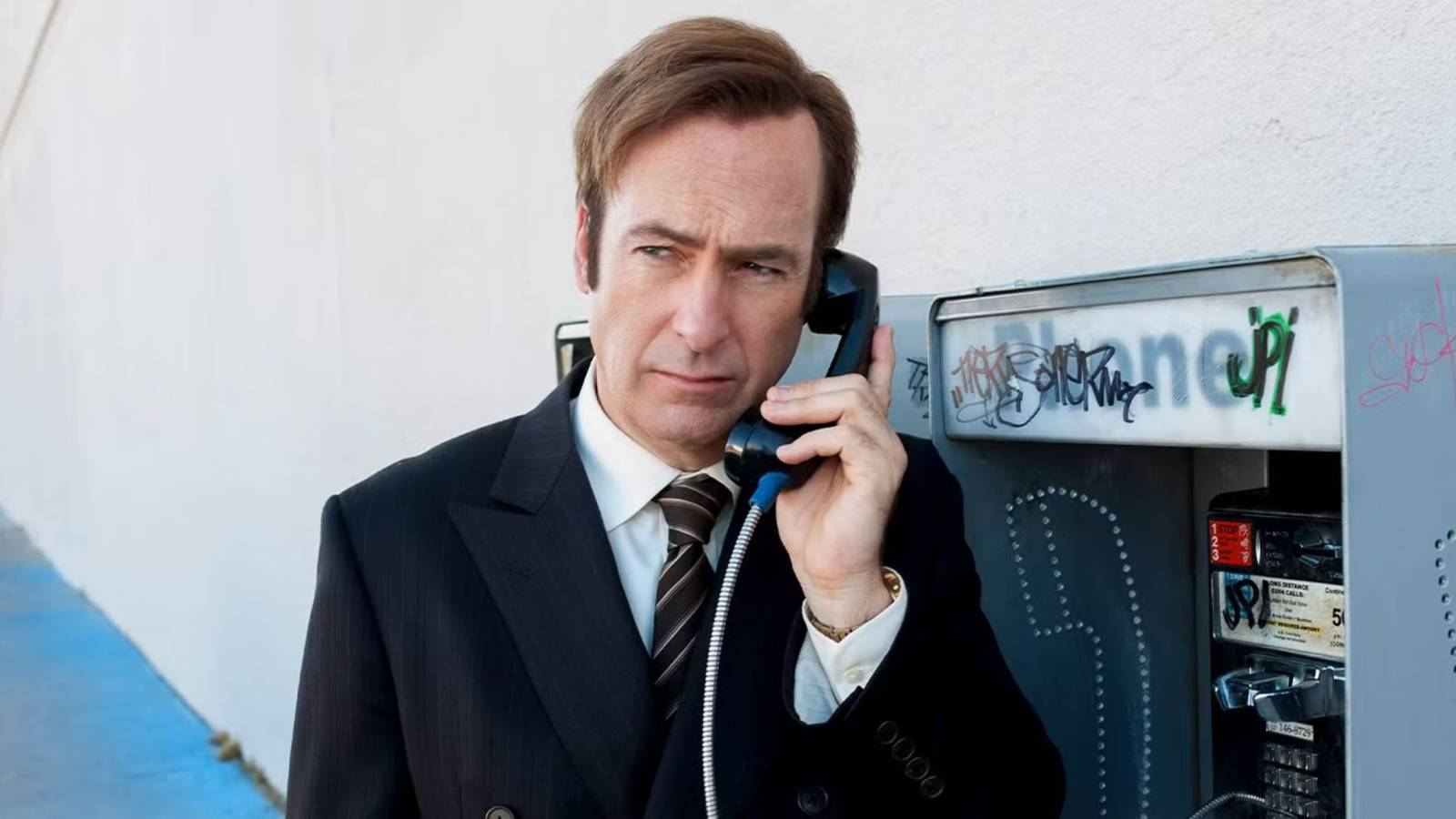
My favorite thing about television is that it can make somebody's stupid little habits feel important. A man adjusts his tie before lying to his wife. A child keeps waiting for a parent to say something encouraging. Or Kieran Culkin’s Roman Roy does disgusting things in the bathroom to continue living depressed. American television has given us extraordinary spectacles, groundbreaking comedy, and dramas that changed the entire medium. But the shows I return to most aren't necessarily the ones with the biggest twists or most prestigious reputations. They're the ones that give me excellent lessons. That understands people so precisely that I feel personally implicated in their decisions. And yes, I'm still furious about things certain fictional characters did twenty years ago. 10 'I Love Lucy' (1951–1957) Image via CBS Lucy Ricardo (Lucille Ball) wants something more exciting than being a New York housewife, much to the exhaustion of her bandleader husband Ricky (Desi Arnaz). I Love Lucy turns that simple conflict into magnificent comedy, frequently involving their neighbors Fred (William Frawley) and Ethel Mertz (Vivian Vance). Lucy's ambitions aren't unreasonable. It's her methods of achieving them that tend to become spectacular disasters. I still laugh watching Lucy and Ethel desperately stuff chocolates into their mouths when the candy factory's conveyor belt speeds up. There's no complicated joke to explain. Two brilliant performers gradually lose control of an increasingly ridiculous situation. But Ball's real achievement was making Lucy's desperate hunger for attention strangely lovable. She could be selfish, dishonest, and gloriously theatrical, yet her disappointments felt recognizable. Seventy years later, that physical comedy remains unbelievably sharp. Some sitcoms owe this show practically their entire existence. 9 'The Simpsons' (1989–) Image via Fox Homer Simpson (Dan Castellaneta) works at a nuclear power plant despite demonstrating little evidence that he should be trusted near one. His long-suffering wife Marge (Julie Kavner) keeps their household functioning, while Bart (Nancy Cartwright), Lisa (Yeardley Smith), and Maggie navigate childhood in the delightfully dysfunctional town of Springfield. The Simpsons transforms an ordinary American family into a bottomless source of cultural satire, absurdity, and occasionally surprising tenderness. Give me “Marge vs. the Monorail” and I'll happily defend the show's funniest writing for an hour. The town is talked into buying an obviously suspicious transportation system, and practically every exchange contains a joke worth remembering. Yet “Lisa's Substitute” affects me more deeply. Mr. Bergstrom recognizes Lisa's intelligence and loneliness, and his farewell note tells her something she's desperately needed to hear. That's the magic of the show's greatest years. It can make Homer an unbelievable idiot, then have him express genuine love for his daughter in a way that completely destroys me. 8 'The Twilight Zone' (1959–1964) Image via CBS A man boards an airplane and becomes convinced something is destroying its wing. Another discovers that his childhood hometown might offer an escape from his unhappy adult life. Ordinary people encounter extraordinary situations in The Twilight Zone, Rod Serling's anthology series about fear, morality, loneliness, and humanity's talent for making terrible decisions. I have an enormous soft spot for “Walking Distance.” Martin Sloan (Gig Young) returns to the town where he grew up and somehow encounters his younger self. What begins as a beautiful fantasy about recovering childhood becomes a painful lesson about the impossibility of living in the past. Serling understood that a science-fiction premise didn't need elaborate machinery to become unforgettable. Sometimes all it required was a lonely man desperately wanting one more afternoon of happiness. The show can be terrifying, funny, devastating, or cruelly ironic. Its imagination still embarrasses productions with a hundred times the resources. 7 'Deadwood' (2004–2006) Image via HBO There are practically no respectable people in the lawless mining settlement of Deadwood, and I wouldn't have them any other way. Saloon owner Al Swearengen (Ian McShane) controls much of the town through intimidation and cunning, while former marshal Seth Bullock (Timothy Olyphant) struggles to establish something resembling order. Deadwood watches a filthy collection of opportunists, fugitives, workers, and fortune seekers slowly become a community. McShane is absolutely magnificent. Al can threaten somebody's life, deliver an outrageously profane monologue, and then demonstrate an unexpected concern for the town's survival. David Milch, who created the series, writes dialogue that sounds almost Shakespearean without diminishing the characters' vulgarity. I particularly love how Bullock and Al gradually recognize the necessity of cooperating despite despising each other's methods. There's something strangely beautiful about civilization emerging from such unpleasant circumstances. Nobody becomes a saint. They simply begin recognizing that other people's lives are connected to their own. 6 'Succession' (2018–2023) Image via HBO Logan Roy (Brian Cox) has built a media empire, and his four children have spent their lives competing for his approval and eventually his position. Succession introduces Kendall (Jeremy Strong), Shiv (Sarah Snook), Roman (Kieran Culkin), and Connor (Alan Ruck) as extraordinarily wealthy adults whose emotional development appears to have stopped somewhere around adolescence. A phone call from an airplane abruptly forces the siblings into a situation that their money, influence, and practiced cruelty cannot control. They stumble over words, interrupt each other, and desperately try to communicate feelings they've spent their entire lives avoiding. It's breathtaking acting. I love how Jesse Armstrong's writing makes these people simultaneously hilarious and pathetic. Their boardroom victories are often elaborate attempts to win a father's affection. They possess practically everything imaginable, except the emotional security that might allow them to enjoy any of it. The ending was heartbreaking. This is probably one of the greatest shows of all time. 5 'Mad Men' (2007–2015) Image via AMC Don Draper (Jon Hamm) is an extraordinarily successful advertising executive whose polished appearance conceals a carefully constructed identity. At Sterling Cooper, he sells beautiful versions of American life while struggling to maintain anything resembling genuine happiness in his own. Mad Men also follows Peggy Olson (Elisabeth Moss), Joan Holloway (Christina Hendricks), and the colleagues navigating an industry transformed by social change during the 1960s. I will never stop thinking about the Kodak Carousel pitch. Don uses photographs of his family to sell nostalgia, describing the emotional power of returning to a place where we felt loved. It's a wonderful presentation, made devastating by how badly he's damaging those very relationships. Matthew Weiner, who created the show, understood that Don's professional brilliance came partly from recognizing desires he could never satisfy himself. And Peggy's growth is equally extraordinary. She enters the agency as a secretary and slowly discovers how much of herself she's unwilling to surrender for approval. This show understands ambition, loneliness, and the exhausting business of pretending to be somebody else. 4 'Better Call Saul' (2015–2022) Image via AMC Before becoming Saul Goodman, Jimmy McGill (Bob Odenkirk) is a struggling lawyer desperate to establish himself while living under the judgment of his successful older brother Chuck (Michael McKean). His relationship with fellow attorney Kim Wexler (Rhea Seehorn) offers something dangerously close to stability. Better Call Saul follows Jimmy's transformation while demonstrating how much damage two intelligent, affectionate people can cause when they start enjoying their own dishonesty. I genuinely think “Chicanery” contains some of the finest acting ever produced for television. Chuck's courtroom testimony deteriorates into an eruption of resentment, exposing how deeply his feelings toward Jimmy have shaped both their lives. Yet the tragedy belongs to both brothers. Jimmy wants Chuck's respect, but his methods keep justifying Chuck's worst assumptions. And Kim! Seehorn makes her gradual moral compromises almost physically painful to witness. Vince Gilligan and Peter Gould created a prequel that somehow made the destination more heartbreaking because we understood exactly what Jimmy was throwing away. I could watch these people negotiate a legal technicality for an entire hour. 3 'Breaking Bad' (2008–2013) Image via AMC Walter White (Bryan Cranston) is a high-school chemistry teacher diagnosed with lung cancer who begins manufacturing methamphetamine to provide financial security for his family. He partners with former student Jesse Pinkman (Aaron Paul), gradually building a criminal enterprise that places everybody around him in danger. Breaking Bad turns a desperate financial decision into one of television's most horrifying studies of pride. What absolutely destroys me is watching Jesse continue searching for affection from a man who repeatedly manipulates him. Walt recognizes Jesse's need for approval and exploits it whenever convenient. Meanwhile, his wife Skyler (Anna Gunn) becomes trapped in circumstances that Walt keeps insisting are for the family's benefit. Cranston makes Walt's transformation frightening because each terrible decision arrives with an explanation that sounds reasonable to him. By the time he finally acknowledges how much he enjoyed the power, the damage is almost impossible to comprehend. I love this show for refusing to let intelligence excuse cruelty. Walt's greatest talent becomes the weapon he uses to ruin everything. Collider Exclusive · Villain Personality Quiz Which Criminal Mastermind Would Be Your Nemesis? Lecter · Joker · Moriarty · Chigurh Four of the finest criminal minds ever put on screen. One of them would look at you and see something worth their time. Eight questions decide which one comes for you, why they picked you, and what they would want when they arrived. 🍷Lecter 🃏Joker ♟️Moriarty 🪙Chigurh MEET YOUR NEMESIS → 01 What would a criminal mastermind notice about you first? Great villains choose their opponents carefully. Something about you got their attention. AMy manners, and everything I am careful not to say. BThat I still believe people are basically decent. CThat I am clever, and quietly enjoy proving it. DThat I handle things myself, and always have. NEXT QUESTION → 02 How do they make first contact? The introduction tells you everything about what is coming next. AA polite letter. Beautiful handwriting. Quietly wrong. BSomething on fire, with a message left beside it. CA puzzle, left where only I would look. DNo contact. Just the aftermath, and a coin. NEXT QUESTION → 03 What do you actually believe about right and wrong? Every nemesis is really an argument about the thing you believe most. AThere are lines. Mine are private and absolute. BRules are the only thing keeping us from being animals. CMorality is a system, and systems can be solved. DThings happen. Most of it was never up to me. NEXT QUESTION → 04 What finally gets under your skin? Everybody has a pressure point. Finding yours is the whole plan. ABeing seen clearly by somebody I cannot read. BWatching good people do something ugly. CLosing to someone who was simply better prepared. DHaving no move left that changes anything. NEXT QUESTION → 05 They have made their move. How do you fight back? This is the part of the film where the audience finds out who you are. ACarefully, and never where they expect to be touched. BLoudly. I would rather lose than play their game. CWith a better plan. I can out-think this. DDirectly, once, with whatever is closest to hand. NEXT QUESTION → 06 What would they use against you? A good villain never brings a weapon you have not already handed them. AMy privacy. I have kept far too much to myself. BMy conscience. I will not cross the line they want. CMy ego. I cannot resist a worthy opponent. DMy certainty that I can handle it alone. NEXT QUESTION → 07 What do they actually want from you? The money is never the point. Something else always is. ATo understand me better than anyone ever has. BTo prove I am no better than they are. CTo finally be beaten by someone worth the trouble. DNothing at all. I stepped into the wrong path. NEXT QUESTION → 08 How does it end between the two of you? Eight questions in, this is the one that decides who comes for you. AA conversation I will be replaying for years. BA choice forced on me that has no clean answer. COne final move, and the better mind wins. DA coin in the air, and nothing I can say. REVEAL MY NEMESIS → The Case File Is Complete Your Nemesis Is…Four criminal masterminds. One of them was always going to be yours. Here is who comes for you, why they picked you out of everyone available, and what they want from the encounter. Hannibal LecterYour nemesis does not want to beat you. He wants to know you completely, and he is patient enough to wait for it. The frightening part is how good the conversation is. Lecter is the most dangerous kind of opponent: the one who finds you interesting. He never raises his voice, because he has never needed to. You keep a great deal to yourself and you are careful about what you show. That reserve is exactly the door he would knock on. The films understood something other thrillers missed. The horror is not the violence. It is being perfectly understood by the wrong person. He would be unfailingly polite about all of it. That is the worst part. The JokerYour nemesis is not after money, territory or revenge. He is after a demonstration, and you are the person he has chosen to prove his point on. The Joker only picks opponents who believe in something. Your decency is not a defence against him. It is the entire reason he showed up. He has no plan you can predict and nothing you can take away, which removes every tool you would normally reach for. His whole argument is that you are one bad day away from being him, and you would spend the rest of your life proving him wrong. He would call it a magic trick. You would call it the worst night of your life. MoriartyYour nemesis respects you, which sounds flattering until you work out what it means. He chose you because nobody else was worth his time. Moriarty is the original criminal mastermind, the template every later one borrows from: a mind the equal of the hero's, pointed the wrong way. You enjoy being the cleverest person in the room. He is counting on exactly that, and he has already built the room. This is the rare nemesis who would be genuinely disappointed if you lost badly. He needs the game to be worth playing. It ends the way these things always end. Two people, one problem, and only one way down. Anton ChigurhYour nemesis has no personal interest in you whatsoever, and that is precisely what makes him unsurvivable. You are not a rival. You are a stop on the way. Chigurh does not negotiate, gloat or explain. He arrives, he asks one question, and the answer was decided long before you opened your mouth. You trust yourself to handle things. He is the one problem in the world that has no interest in how capable you are. No Country for Old Men rewrote the screen villain by removing the thing audiences quietly rely on: the sense that talking might work. Call it. He will wait. ↻ RETAKE THE QUIZ 2 'The Sopranos' (1999–2007) Image via HBO Tony Soprano (James Gandolfini) runs a New Jersey criminal organization while attending therapy for panic attacks. His psychiatrist Dr. Jennifer Melfi (Lorraine Bracco) attempts to understand a patient whose anxieties involve his mother, his marriage, his children, and the people he's ordered killed. The Sopranos places a deeply troubled family man inside a profession that rewards practically every one of his worst instincts. The argument between Tony and Carmela (Edie Falco) in “Whitecaps” is devastating. Years of resentment come pouring out, and neither can escape the uncomfortable truths the other knows. They're married people who understand exactly where to hurt one another. Gandolfini and Falco make the confrontation feel almost indecent to witness. That's David Chase's extraordinary achievement. He never lets us forget Tony's brutality, even while making his personal struggles painfully recognizable. I can laugh at Tony complaining about his family, then feel revolted when he inflicts suffering upon somebody else. Few television characters have demanded so much sympathy while doing so little to deserve it. 1 'The Wire' (2002–2008) Image via HBO Baltimore's drug trade, police department, shipping industry, political establishment, schools, and newspapers become the interconnected subjects of The Wire. Detective Jimmy McNulty (Dominic West) initially investigates a drug organization led by Avon Barksdale (Wood Harris), but the series gradually expands far beyond any single investigation. The institutions remain, even as the people attempting to change them come and go. Season 4 is the reason I will defend this show forever. Four boys enter a school system where their futures are already being shaped by poverty, street violence, and decisions made by adults who rarely understand their lives. Watching Randy (Maestro Harrell) desperately seek help as his circumstances deteriorate is heartbreaking. And Bubbles (Andre Royo), a man struggling with addiction, eventually reaching a point where he can join his sister's family upstairs for dinner feels like an extraordinary victory. The police may celebrate an arrest, politicians may announce progress, but somebody's child still has to walk home through the same dangerous neighborhood. That's why The Wire belongs at number one. The Wire Release Date 2002 - 2008-00-00 Network HBO
The 10 Best American Shows in TV History, Ranked
Full Article
Original Source
Read the full article at Collider →KhanList aggregates and links to publicly available news content. We do not host full articles from third-party sources. Always verify important information with original sources.