
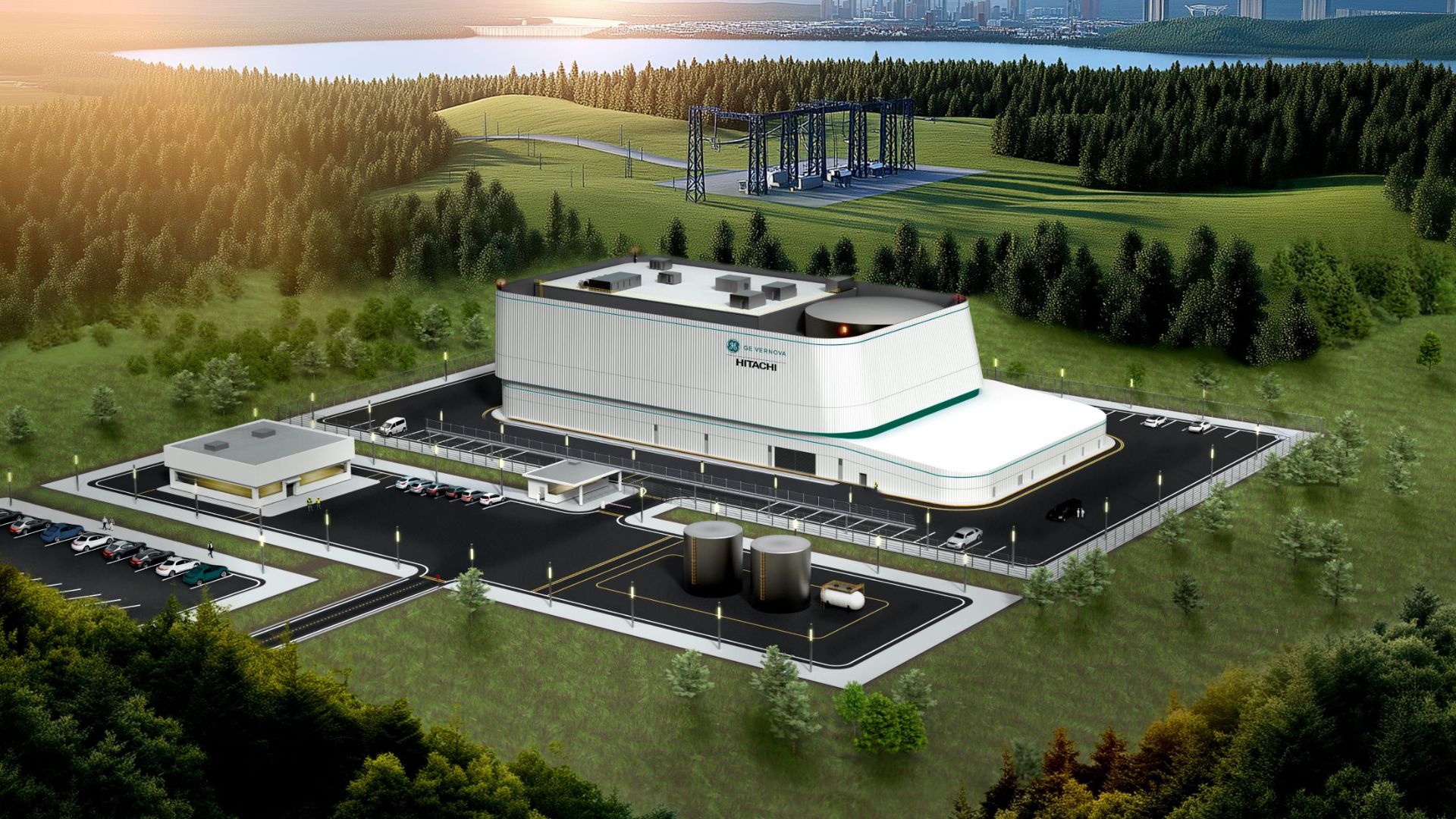
Blue Energy and GE Vernova Hitachi Nuclear Energy have moved closer to a major hybrid power project in Texas. The companies signed an agreement covering further work on a planned 2.5-gigawatt facility near Victoria. The project will combine natural gas turbines with small modular reactors (SMRs). It targets rising electricity demand from data centers, artificial intelligence and advanced manufacturing across the United States. Engineering work will now advance across design, licensing and safety analysis. The partners expect to reach a final investment decision in 2027. The proposed plant will use two different power technologies within one generation site. Gas turbines will provide the first wave of electricity. Nuclear reactors will later add steady generation to the same system. Gas power arrives first The Texas facility will bring gas-fired generation online before its nuclear units. Two GE Vernova 7HA.02 turbines should supply about 1 gigawatt to a nearby data center in 2030. Nuclear generation would follow two years later. Blue Energy plans to add as many as five BWRX-300 reactors, providing another 1.5 gigawatts of capacity. That sequencing could help the project serve large electricity loads before the nuclear portion becomes operational. It also gives the developers a way to expand generation in stages. The arrangement could prove useful for Texas, where electricity demand continues to grow. Data centers require substantial power for computing workloads and cooling systems. Eric Gray, CEO of GE Vernova’s Power segment, said the approach combines established turbine technology with SMRs. “Meeting surging electricity demand requires proven, scalable technologies,” Gray said. “Our work with Blue Energy combines HA gas turbine technology with advanced nuclear SMR technology.” The strategy reflects a growing challenge for the U.S. power sector. Large data centers can require enormous amounts of electricity, often faster than traditional power projects can provide it. Prefabrication targets faster builds Blue Energy also wants to change how the nuclear portion gets constructed. Its approach relies heavily on factory fabrication and modular assembly. The company calls this construction model the “Blue Way.” It uses the BWRX-300’s standardized design to move more work away from the reactor site. Large components can undergo fabrication before reaching Texas. Workers can then assemble modules at the project location, potentially reducing construction complexity. The approach also focuses on transportation and logistics. Blue Energy wants standardized components to move through a repeatable construction process. That model could make costs and schedules easier to predict. Nuclear projects have often struggled with lengthy construction periods and significant cost overruns. The strategy aims to turn reactor construction into a more repeatable industrial process. That could become important if demand for new nuclear capacity grows across the U.S. Jake Jurewicz, Blue Energy’s CEO and co-founder, said the company wants nuclear plants to become repeatable products. “We are shifting from the old way of building large reactor nuclear power,” Jurewicz said. “The Blue Way slashes costs and time to power.” The BWRX-300 gives the Texas project a reactor design already moving toward deployment. Ontario Power Generation is constructing the first unit at its Darlington site in Canada. The Darlington reactor could become the first grid-scale SMR operating in the Western world. Its progress will provide an important reference point for future BWRX-300 projects. Get the latest in engineering, tech, space & science - delivered daily to your inbox.Aamir is a seasoned tech journalist with experience at Exhibit Magazine, Republic World, and PR Newswire. With a deep love for all things tech and science, he has spent years decoding the latest innovations and exploring how they shape industries, lifestyles, and the future of humanity.
Texas hybrid power project fuses gas turbines with five nuclear SMRs for 2.5 GW
Full Article
Original Source
Read the full article at Interestingengineering →KhanList aggregates and links to publicly available news content. We do not host full articles from third-party sources. Always verify important information with original sources.