
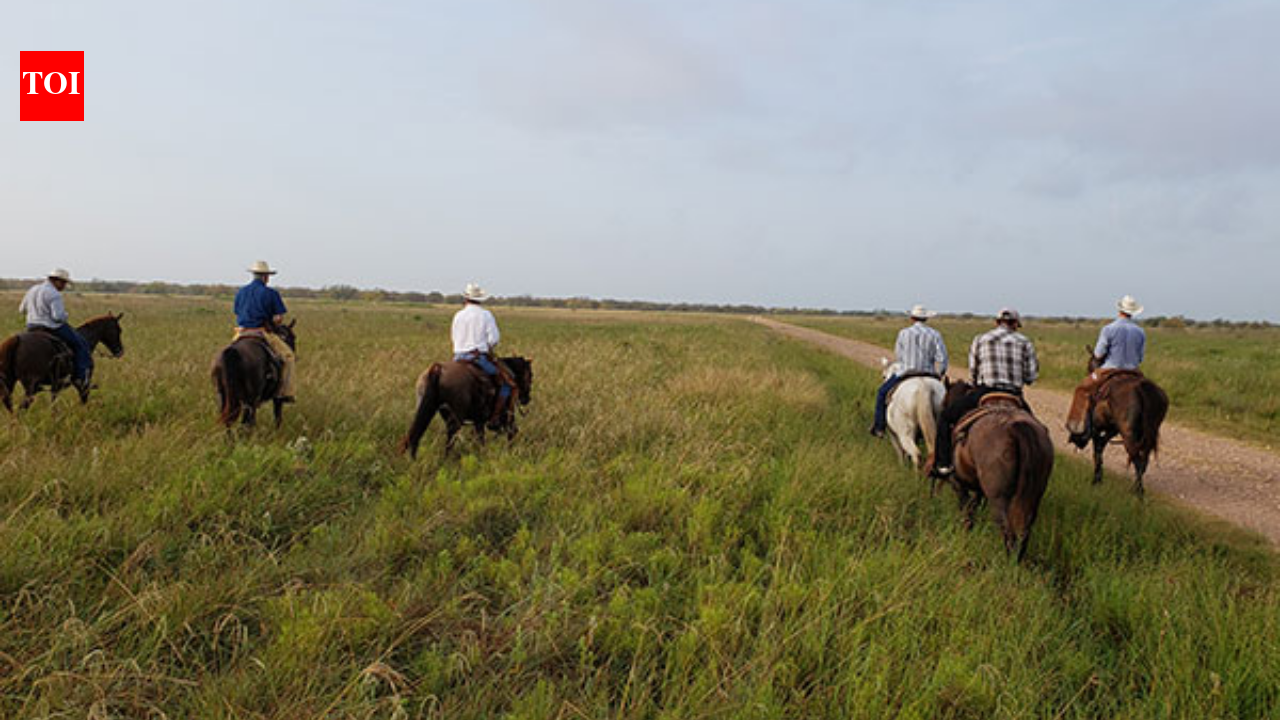
Texas ranchers blocked well operators from 1,604 acres in 2004; court lets oil firm cross property (Image Credit: McFaddin Ranch)A long-running dispute over access to a South Texas ranch has ended with a Texas appeals court allowing an oil company to cross private property to reach an inactive well. The dispute involves the McFaddin Ranch and Allegiant Resources LLC, which sought access to a well that had been shut in for years. According to the Texas Thirteenth Court of Appeals’ October 1 opinion, the well sits close to the San Antonio River, raising concerns about leaving it unplugged. The court ultimately affirmed the trial court’s decision, upholding Allegiant’s limited right to enter the property for plugging and related work.A dispute over access to a wellThe case centres on the Remora Oil Unit, an oil and gas operation located on property known as the Wright Land. Access to the well had historically been provided through the Dierlam Ranch, which is associated with the McFaddin Ranch property. For years, the arrangement was relatively straightforward. Allegiant’s predecessors used a road across the ranch and made payments for access. According to testimony cited by the appeals court, those payments totalled more than $120,000 between 1996 and June 2015.That arrangement changed after the well was shut in. The payments stopped, and the landowners and later operator were unable to reach a new agreement over access. The dispute eventually moved into court after Allegiant Resources became the operator of the Remora Oil Unit in 2021.Why Allegiant wanted to cross the ranchAllegiant was not seeking access to restart production at the well. Its stated purpose was to plug the inactive well and remove the associated surface equipment. The company argued that leaving the well unplugged created environmental and regulatory risks. Lee Lawrence Lawson, Allegiant’s HSE director, testified that the location was particularly concerning because the well was close to the San Antonio River.According to the court's opinion, Lawson said the company could face serious consequences if it could not complete the required work. These included potential action by the Texas Railroad Commission and significant financial losses. He estimated the company's potential losses at about $50 million. The well had also been inactive for more than a decade, meaning Allegiant needed to remove surface equipment as part of the plugging process.The landowners refused accessThe ranch owners did not agree to provide the requested access. Allegiant had attempted to negotiate with Mark Clayton Dierlam, an owner and manager of the ranch, beginning in 2021, but the two sides could not agree on financial terms. Lawson and others were able to visit the well initially. But after an August 2022 visit, Dierlam refused further access to the ranch.That left Allegiant with a practical problem. The company had responsibility for the well but could not reach it without crossing property controlled by the ranch owners. The dispute eventually became a question of property rights: could the operator legally enter the neighbouring ranch when its purpose was to comply with obligations to plug an inactive well?What the appeals court decidedThe Texas Thirteenth Court of Appeals sided with Allegiant on October 1, affirming the trial court's ruling. The appeals court concluded that Allegiant could cross the Dierlam Ranch for the limited purpose of accessing and plugging the Remora Oil Unit. The decision does not give the company unrestricted use of the ranch. Instead, the ruling concerns access needed to carry out the work associated with the inactive well.The court's decision also considered the regulatory responsibilities surrounding abandoned or inactive oil wells. Allegiant argued that it needed access to comply with requirements imposed by the Railroad Commission.A ranch with a long South Texas historyThe property involved in the dispute is connected to the long history of McFaddin Ranch, whose roots date to the 19th century. According to the ranch's own history, James A. McFaddin established his first ranch in the area in 1858, while the Victoria County operation dates to 1877. The property later grew into a major South Texas ranching operation, with cattle, land management and conservation becoming central parts of its identity.The ranch's history also includes the development of land between the Guadalupe and San Antonio rivers. James McFaddin engineered more than 40 miles of levees, reclaiming about 5,000 acres of land that had previously been swampland. Today, the ranch continues to operate as a working South Texas property, with cattle and ranching remaining part of its activities.What the ruling meansThe case illustrates the tension that can arise when private land ownership intersects with the obligations attached to oil and gas wells. For the ranch owners, allowing an operator onto private land raises questions about control and compensation. For Allegiant, access is tied to its responsibility for an existing well and the need to address a site that the company says poses environmental and regulatory concerns.The appeals court's ruling gives Allegiant a path forward, but the dispute also highlights how complicated access to old oil and gas infrastructure can become when wells sit near property boundaries, waterways and privately controlled ranchland. In this case, a well that had been inactive for years became the centre of a much larger argument over who has the right to cross a historic Texas ranch, and under what circumstances.
Texas court lets oil company cross 1,604-acre ranch to plug shut-in well
Full Article
Original Source
Read the full article at Timesofindia →KhanList aggregates and links to publicly available news content. We do not host full articles from third-party sources. Always verify important information with original sources.