
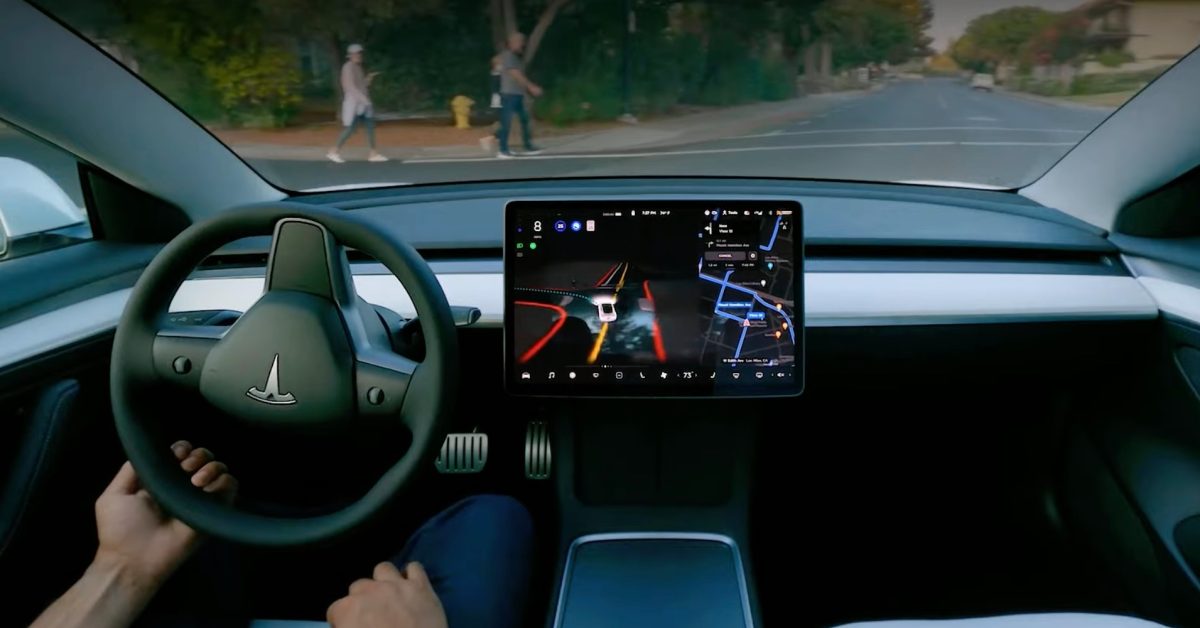
Turo will soon let US renters search specifically for Teslas with “Full Self-Driving” (Supervised) turned on, using a direct integration with Tesla to verify each car’s FSD status. The feature goes live on October 28. For Tesla, it’s a new way to put FSD in front of people who don’t own a Tesla, and a new source of the FSD subscriptions that now count toward Elon Musk’s pay package. How Turo’s FSD rentals work Hosts link their Tesla account to Turo, and the platform pulls the car’s FSD status through Tesla’s API. Eligible listings then show that FSD is active, and guests can filter for it. Turo says “thousands” of FSD-enabled Teslas are already listed. Not a shocker. The Model 3 and Model Y are the third and fourth most popular vehicles on Turo so far this year, according to the company. Eligible US hosts can also get a free one-month FSD (Supervised) trial. After that, it’s Tesla’s regular $99 per month subscription, a cost hosts will want to recover through their daily rates. Turo didn’t say whether FSD listings will carry a premium. Turo CEO Andre Haddad called it an “industry-first integration with Tesla” and said that “most travelers have had limited opportunity to experience driver’s assistance technology, but the demand is clear.” The “industry-first” part is generous. Tesla has been renting out its own cars with FSD included in Southern California since last year, a program we first spotted in the works back in 2023. The new part is verified FSD on a third-party marketplace with far more cars in far more cities. Why Tesla wants more people in FSD Tesla went subscription-only with FSD in February, and since then it has been pushing hard to get people to try it, including a free one-year subscription on new Model 3 and Model Y orders. There’s a reason for the urgency. Tesla reported 1.74 million “active FSD subscriptions” in Q3, a metric it only started disclosing because Musk’s 2025 CEO Performance Award uses it. One of the award’s milestones is 10 million. At last quarter’s pace, Tesla would need about eight more years to get there. Free trials don’t count toward that number, but paid subscriptions do. So every Turo host who keeps paying after the first month adds to the count, and every renter who enjoys the weekend is a potential subscriber down the road. The supervision problem Turo’s release leans heavily on “self-driving” and “driverless” language. It cites its own research claiming that 55% of Americans are interested in “driverless technology” for travel, rising to 71% among Gen Z, and that over a fifth of interested Americans would be comfortable spending seven or more hours in a self-driving car. But FSD (Supervised) is not driverless. It’s a level 2 driver assistance system, and the person behind the wheel is responsible at all times. Even Haddad calls it “driver’s assistance technology” in the same release. Renters will be getting into a car they’ve likely never driven, with a system they’ve likely never used. Turo’s safeguard is to encourage guests to review Tesla’s FSD documentation and safety guidelines before pickup. That’s it. We saw what over-trust looks like just two weeks ago, when a driver told the CHP he was asleep with FSD engaged before his Tesla hit a patrol car inside a lane closure in Fairfield, California. Two officers were seriously injured. Turo also didn’t say who’s on the hook when a guest crashes with FSD engaged: the renter, the host, or Turo’s protection plans. Electrek’s Take This is basically ‘Tesla network’ but supervised. Since 2016, Elon Musk has been saying that Tesla owners are going to be able to put their vehicles in the ‘Tesla Network’ to provide rides for others and earn income. This vision has been delayed for years, but the best they can do right now is combining Turo and FSD. For Tesla, it should be good for FSD adoption. A weekend road trip with FSD is a much better test drive than 15 minutes around the block with a Tesla advisor, and Turo gets a feature no rental company has. However, I don’t want to be a party pooper, but I do worry about the complacency issue. Turo is pitching “self-driving” to travelers, and Tesla still calls the product “Full Self-Driving” in the US, even after it dropped the name in Europe under pressure from German regulators. Put a tourist who has never used FSD behind the wheel with that framing, and some of them will treat it as a chauffeur. That’s exactly how you end up with a driver asleep at freeway speed. At a minimum, Turo should require a short in-app FSD walkthrough before a guest can use it, and spell out liability before someone finds out the hard way. Tesla, which collects the subscriptions, should want the same. If a weekend in a rented Tesla convinces you to go electric, powering your own EV with home solar can cut your fuel costs to nearly zero. With electricity rates up almost 10% last year and expected to keep climbing, going solar is one of the best ways to protect yourself against rising costs. And with lease and PPA options, you can do it with zero upfront cost and start saving immediately. If you want to find the best deal, check out EnergySage. It’s a free service with hundreds of pre-vetted installers competing for your business, so you save 20 to 30% compared to going it alone. No sales calls until you pick an installer. Get your free quotes here. FTC: We use income earning auto affiliate links. More.
Tesla turns to car rental platform Turo for Full Self-Driving test drives
Full Article
Original Source
Read the full article at Electrek →KhanList aggregates and links to publicly available news content. We do not host full articles from third-party sources. Always verify important information with original sources.