
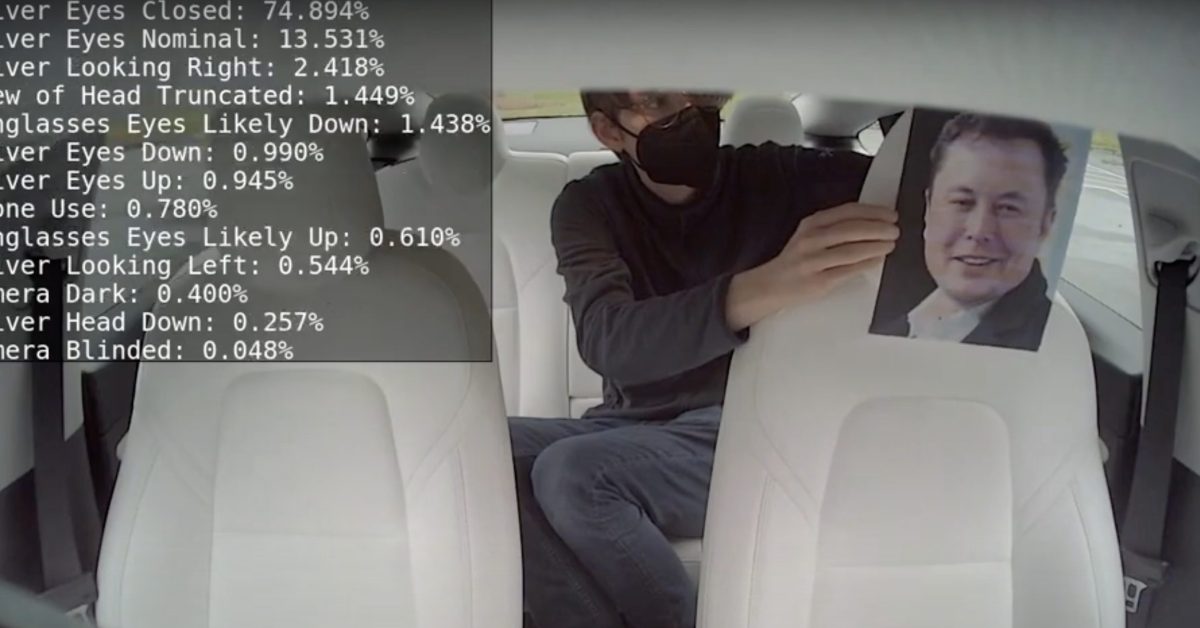
Tesla is rolling out stricter driver monitoring for its “Full Self-Driving” system in Europe, with earlier warnings, a full strike for drivers who look away during a manoeuvre, and a hands-on-wheel requirement above 130 km/h (81 mph). In the US, Tesla has spent the last year going the other way. Its CEO told owners they can text and drive on FSD, and recent US builds were tuned to nag drivers less. What changes in Europe On November 16, the Dutch vehicle authority RDW announced that it signed off on a new update to Tesla Assisted Driving, the name Tesla now uses for FSD (Supervised) in Europe. It covers HW4 vehicles and goes out over the air. According to the RDW, drivers now get attention warnings earlier. If a driver isn’t paying attention while the system performs a manoeuvre, they get a “full strike.” The regulator says the update also adds measures to prevent misuse of the system, but it didn’t spell out what they are. There’s a speed component too. Above 130 km/h (where legal), the driver has to keep their hands on the wheel. And setting a maximum speed above what the system displays now requires the driver to confirm it by scrolling the wheel up, with the speed limit sign pulsing red when the car goes over. The RDW says it tested the update on its own track and on public roads and found no adverse or unintended effects. Ten other countries have adopted the Dutch approval so far, with Finland now on the list, while EU-wide approval is still waiting on a vote at the TCMV, the committee of member states. This comes two weeks after Tesla cut the system’s speed margin from 50% to 10% over the limit in Europe and dropped the “Full Self-Driving” name there. Germany had made both a condition of supporting EU approval. Meanwhile, in the US Now look at how Tesla handles the same software at home. At Tesla’s shareholder meeting last November, Musk complained that the car was “a little strict about keeping your eyes on the road” and said Tesla would “allow you to text and drive essentially” within a month or two. A month later, an owner asked whether FSD v14.2.1 allowed texting. Musk’s answer: “Depending on context of surrounding traffic, yes.” Texting while driving is illegal in 49 states. FSD is still a Level 2 system, and Tesla’s own fine print says the driver is responsible at all times. In May, Musk confirmed that FSD v14.3.3 was built to nag drivers less. Tesla did add better eye-gaze tracking and eyewear handling in a June build, to be fair. But the pitch to owners hasn’t changed: fewer nags is sold as a feature. And US drivers have been allowed to go hands-free on FSD at any speed since Tesla moved to cabin-camera monitoring in 2024. There’s no 130 km/h rule here. NHTSA noticed. In its engineering analysis of FSD crashes in low-visibility conditions, the agency asked Tesla to justify a list of its marketing claims, and it specifically cited Musk’s texting post. In September, Rep. Raja Krishnamoorthi asked NHTSA to look into Tesla’s driver monitoring after dozens of videos appeared to show drivers asleep on Autopilot and FSD. The results are on the road. Last month, a driver told the CHP he was asleep on FSD when his Tesla drove through a freeway closure and hit a patrol car, seriously injuring two officers. Owners are also filming themselves defeating Tesla’s driver monitoring and posting it for clout. Same car, two standards Both markets get the same cabin camera and the same HW4 computer. But in Europe, a type-approval authority tests every update before it ships and can refuse it. In the US, nobody pre-approves driver-assist software. Tesla self-certifies, and NHTSA only steps in after complaints and crashes pile up, which is how you end up with a CEO publicly telling owners to text while the regulator is still writing letters about it. Electrek’s Take This update proves Tesla can build stricter driver monitoring whenever a regulator demands it. The code exists. It’s running on HW4 cars in 11 European countries right now. That makes the US approach hard to defend. Tesla’s argument for relaxing supervision is that FSD is now good enough. But if that were true, it would be showing the RDW data proving looser monitoring is safe, not adding earlier warnings and harsher strikes to get approved. It’s doing the opposite in Europe because it has to, and the opposite of that in the US because it can. We’ve been saying it for a while: FSD gets more dangerous as it gets better, because people trust it more and watch the road less. The answer is monitoring that tightens as the system improves. Europe is forcing exactly that. In the US, Tesla is loosening it, encouraging illegal phone use from the top, and leaving drivers with 100% of the liability when it goes wrong. So here’s the question for Tesla. If European owners are getting earlier warnings and instant strikes, why not American owners on the exact same software? Or is NHTSA going to have to force it? If you’re driving an EV, powering it with home solar can cut your fuel costs to nearly zero. With electricity rates up almost 10% last year and expected to keep climbing, going solar is one of the best ways to protect yourself against rising costs. And with lease and PPA options, you can do it with zero upfront cost and start saving immediately. If you want to find the best deal, check out EnergySage. It’s a free service with hundreds of pre-vetted installers competing for your business, so you save 20 to 30% compared to going it alone. No sales calls until you pick an installer. Get your free quotes here. FTC: We use income earning auto affiliate links. More.
Tesla toughens FSD driver monitoring in Europe while loosening it in the US
Full Article
Original Source
Read the full article at Electrek →KhanList aggregates and links to publicly available news content. We do not host full articles from third-party sources. Always verify important information with original sources.