
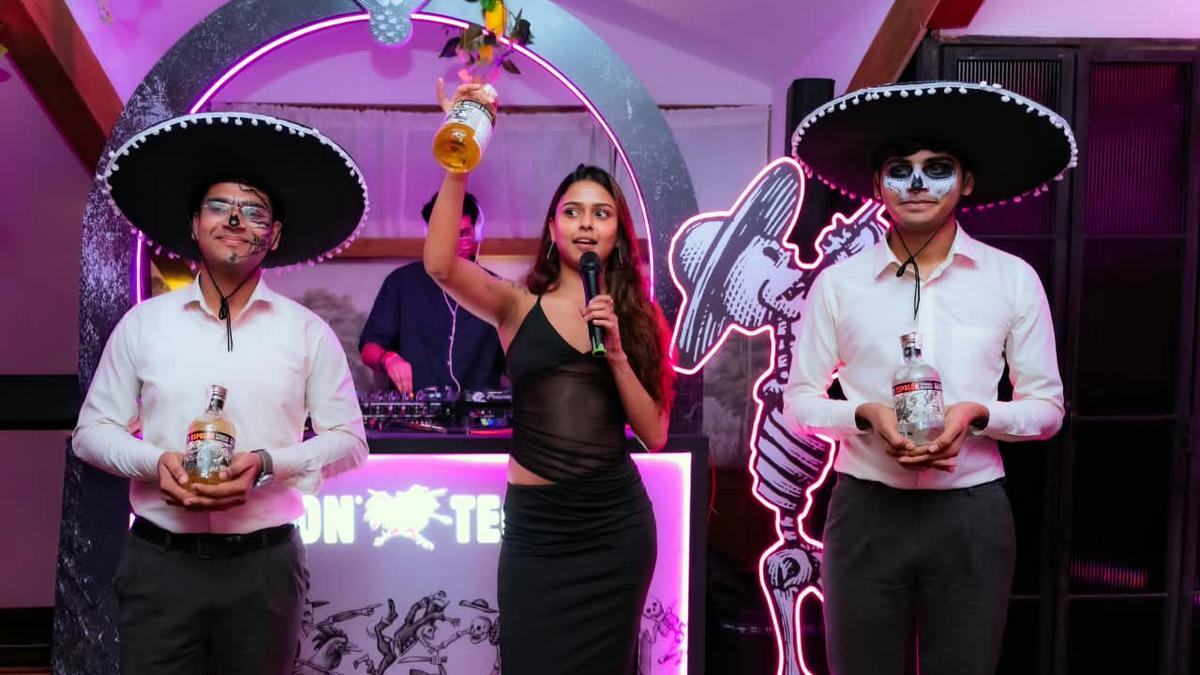
Tequila fine tuned to classical music? Sounds incredulous but that’s exactly what Cirilo Oropeza, the founder of Espolòn ( meaning ‘spur’ in Spanish) Tequila set out to do when he created his spirit in 1996. After the piña (core of the agave plant) was harvested, steamed and rolled, the yeast was given a unique catalyst during fermentation - these micro-organisms that turn starch into alcohol, were found to react positively to the strains of classical music so maestro Cirilo would play classical European and Mexican music for them, believing sonorous vibration helps activate the yeast. Espolòn, launched by the Campari Group in India in 2026, brings this uniquely Mexican spirit to Indian shores to experimental drinkers who like a flavour- forward spirit with a good origin story.Tequila was once the party circuit’s rebellious spirit: good for shots, but not for refined drinking. But the spirit, made from Agave tequilana Weber (blue agave) in Mexico has seen quite the turnaround in India, thanks to premiumisation, sophisticated cocktail culture and storytelling around its provenance. Espolòn tequila is the latest entrant | Photo Credit: Special Arrangement In India, as per the latest International Wine and Spirits Record (a global leader in data, analytics, and market intelligence for the beverage alcohol industry), tequila volumes soared by 34% in 2025, while value increased by almost double at 66%. Those numbers are forecast to hit an increase of 13% in volume and 15% in value from 2025 to 2030. A report by Grand View Research, says premiumisation is particularly popular among younger consumers, aged 18-34 years, with consumer education and awareness becoming crucial factors in the growth of the tequila market. Tequila, specifically associated with designated regions in the Mexican state of Jalisco and select municipalities in Guanajuato, Michoacán, Nayarit, and Tamaulipas, is the talk of the town in cocktail circles as well.Three of the top 10 cocktails, Picante (#1), Margarita (#9) and Paloma (#10) in the ‘What India Is Drinking 2026’ annual survey, are tequila/agave-led. The report by 30 Best Bars India covers 155 bars across 18 cities and 14 states. It is no surprise then, that international brands see India as a bright spot in the global tequila space and are choosing to launch their spirits here. Headquartered in Sesto San Giovanni, Italy, the Campari Group recently launched a trio of Espolòn (meaning ‘spur’ in Spanish) tequilas in India (Mumbai, Goa, Gurugram) — Espolòn Blanco (tasting notes of sweet agave and tropical fruit with hints of pepper best paired with seafood with a punch of citrus), Espolòn Reposado (notes of roasted agave, tropical fruit, vanilla and warming spices best paired with smoked and barbequed meats ) and Espolòn Añejo (notes of earthy wood, caramel, vanilla, dried fruit, chocolate and butterscotch, aged 10 months in American oak barrels and finished for at least two months in bourbon barrels, best paired with desserts). The tequilas contain 40% ABV (percentage of alcohol per volume of beverage). Arvind Padhi, commercial director, Marketing & CCM, India & the sub-continent , opines that Indian consumers focus on premium products with a solid backstory, “Indian consumers are trading up, but premium today is less about a label, and more about authenticity, craft and provenance. Espolòn, from its blue weber agave and its home in the highlands of Jalisco, to its art and storytelling celebrates Mexico.” The origin storyFounded in 1996 by Cirilo Oropeza (bought by the Campari Group in 2009), Espolòn tequila is made the old fashioned way — jimadores (specialised Mexican farmers who harvest mature agave plants used to make tequila) hand-harvest 100% blue weber agave whose piña ( core of the plant) is rich with high concentrations of fermentable sugars. Cirilo created custom stainless-steel autoclaves (strong heated containers used for chemical reactions) to steam the piñas, ensuring the extraction sings with sweet, earthy and caramelised notes.In order to extract more sugar from the fibrous agave pulp (bagasse) the cooked piñas are passed through roller mills, and the remaining bagasse is turned into fertiliser. Then the yeast ferments the sugars yielding crisp tequila that then undergoes aging in barrels for its rested/ Reposado version. The next step is where the magic happens. The yeast or microorganisms that turn starches into alcohol were found to react positively to the strains of classical music so maestro Cirilo would play classical European and Mexican music for them, believing sonorous vibration helps activate the yeast. Finally, for the Blanco, a combination of a traditional pot still produces an earthy taste, while the column lends fruitier notes. For the Reposado (meaning rested), tequila is added to the #2 charred American oak barrels at lower alcohol volumes.Telling Mexico’s story in a bottle Shivam Misra, managing director, India and the sub continent, Campari Group, says, “The fundamental premise of the quality of the spirit determines the sophistication of the cocktail. Our blanco has been tuned to the Indian palate with notes of lemon, pepper and tropical fruit. The tequila reposado is our best choice for margaritas while the Espolòn Añejo deserves to be sipped, alone or with an ice cube.” Experiencing the brand, right from the bottle to the liquid is also unique. “We as a brand, say our proposition is 0% ego 100% agave. While many bottles look uppity, our design language and liquid are more accessible,” Shivam adds. Shivam Misra, managing director of the Campari Group | Photo Credit: Special Arrangement The bottle showcases classic Mexican iconography – the rooster, a symbol of national pride, and illustrations that celebrate artist Jose Guadalupe Posada. Posada’s ‘La Calavera Catrina’, his most famous creation, satirized indigenous Mexicans who adopted European fashion and later artist Diego Rivera renamed her La Catrina, and transformed her into the iconic Día de los Muertos /Day of the Dead symbol recognized globally today . The blanco label depicts a revolution spurred by Miguel Hidalgo, who led the people of Mexico to fight against the brutalities of Spanish rule, while the Mexican mercado (market) on the reposado label celebrates the marriage of art and commerce. Finally the tequila Añejo, bears a label with the Jarabe Tapatío dance, known internationally as the Mexican hat dance, embracing romantic courtship. Each label marks a distinct spirit and storytelling rooted in Mexican history. Cocktails made with the tequila | Photo Credit: Special Arrangement Shivam concludes, tequila can soon be served for celebrations, swapping out flutes of bubbly or single malts, for toasts. “In India toasting was usually with whisky and then aged single malts or champagne announced your status at the bar. Now, the old cues of status are not relevant to the couples tying the knot today. This presents a beautiful opportunity to present a tequila that’s authentic and not talking about status.” Espolòn is priced between ₹4,500- ₹12,900 for its Blanco, Reposado and Añejo variants across Gurugram, Goa and Mumbai.
Tequila in India is moving beyond shots to premium sipping
Full Article
Original Source
Read the full article at Thehindu →KhanList aggregates and links to publicly available news content. We do not host full articles from third-party sources. Always verify important information with original sources.