
In the lead-up to a presidential election that would irrefutably transform American culture, Hillary Clinton took the stage at a rally in Virginia as she campaigned to become the first female president. “We’re going to have a lot of jobs — jobs from building infrastructure to coding. Creating new apps,” she said. “I don’t know who created Pokémon Go, but I’m trying to figure out how we get them to have Pokémon Go to the polls.” Ten years later, it is once again Election Day in the United States. Now, most app developers aren’t even writing their own code anymore, thanks to AI, and Pokémon Go has been sold to a company wholly owned by Saudi Arabia’s sovereign wealth fund. The only thing about that political moment that hasn’t changed is that “Pokémon Go to the polls” memes still crop up on every Election Day. “It was very bold and confident, and also just sounded so terribly out of touch and corny,” Cesar Ruiz de Castilla, an elected ward committee member in Philadelphia, told TechCrunch. “I don’t know if the mainstream media cared that much about it, but everyone was making a meme about it and talking about it online.” Since then, digital culture has become increasingly inextricable from the fate of American politics. Donald Trump tweeted his way through his first term, then later started his own social media platform; presidential campaigns hire meme managers; the White House invites podcasters and content creators to press briefings; Elon Musk even spun up his own advisory group under Trump that named itself after the cutesy doge meme and then slashed international aid programs. A Google Trends analysis of the search term “pokemon go to the polls”Image Credits:A Google Trends analysis of the search term "pokemon go to the polls" / “The 2016 election was such a monumental moment in internet history, and we were all there for it — our politics have become more, not just divided, but segmented online,” Organizer Memes, a political influencer who teaches Gen Z activists how to reach their peers online via memes, told TechCrunch. “It’s a relic of an optimistic, bygone political era.” Now, people who weren’t even old enough to vote in 2016 reflect on the year as a cultural turning point, even calling it “the last good year.” It’s a sentiment that isn’t so much political as it is rooted in nostalgia for an era of internet culture before AI slop, when we used social media to connect with friends, rather than doomscrolling through an algorithmic feed of people we don’t even follow. At the start of the new year, this yearning for the old internet became a viral sentiment as millions of people shared throwback photos from 2016 on Instagram. Spotify reported that user-generated playlists featuring 2016 in their titles spiked 790% in the first three weeks of the year, and the company changed its Instagram bio at the time to say it’s “romanticizing 2016 again.” Never mind that, at the time, the internet perceived 2016 as a cursed year, even before the election — months earlier, one Slate columnist wondered how 2016 compared to 1348, the year the Black Death took hold in Europe. “[Pokémon Go to the polls] is in that era of the singular internet, when Facebook and Twitter and Tumblr were all kind of bouncing content back-and-forth and not just this complete anarchic mess of 25 platforms that we now have and don’t use,” Organizer Memes said. Organizer Memes also notes that some cultural touchstones that felt more significant then — like the obsession with Harambe the gorilla — haven’t had as much staying power as “Pokémon Go to the polls.” Perhaps this is because we’re bound to remember “Pokémon Go to the polls” every few years on Election Day, and because it appeals to both sides of the aisle. On the right, it’s a way to make fun of Democrats, and on the left, it’s a shared groan of embarrassment. “It’s like if all the kids in a class are making a joke, and then the teacher gets in on the joke, and it stops being funny,” Mack Finkel, who canvassed at the polls on Tuesday on behalf of a healthcare workers’ union, told TechCrunch. “I think there’s a key essence of millennial cringe happening here, and it’s the same reason that all my friends are rewatching [HBO’s] ‘Girls.’” Clinton’s decade-old, corny comment can be seen as a precursor to the “Kamala is brat” meme. While the former vice president’s record as a prosecutor initially made her unpopular among some left-leaning young voters, they rallied around her once she became the only alternative to Trump. Gen Z rallied around Harris by creating flashy, absurdist “fan cam”-style edits of the candidate’s best quips in the aesthetic of Charli XCX’s album “Brat,” which soundtracked the summer of 2024. “Previously the views I saw about Harris were making fun of her being a cop, like her history as attorney general in California with truancy laws,” Jess Rauchberg, an assistant professor of communications at the University of Leeds, told TechCrunch at the time. “Now we see that same style of memeification, but it’s an endorsement.” It’s hard to say why “Pokémon Go to the polls” jokes still make us laugh — whether we’re mocking Clinton or expressing solidarity with others who keep showing up to vote, even as each passing year leaves us feeling more cynical. “Pokémon Go to the polls” is a way of urging others to make the time to vote and take Election Day seriously, while still acknowledging disappointment with aging lawmakers who don’t know what it’s like to come of age in the social media era. It’s shrouded in enough irony to project a sense of jaded detachment, yet remains a desperate, earnest plea to our friends: Please, just go vote. When you purchase through links in our articles, we may earn a small commission. This doesn’t affect our editorial independence.
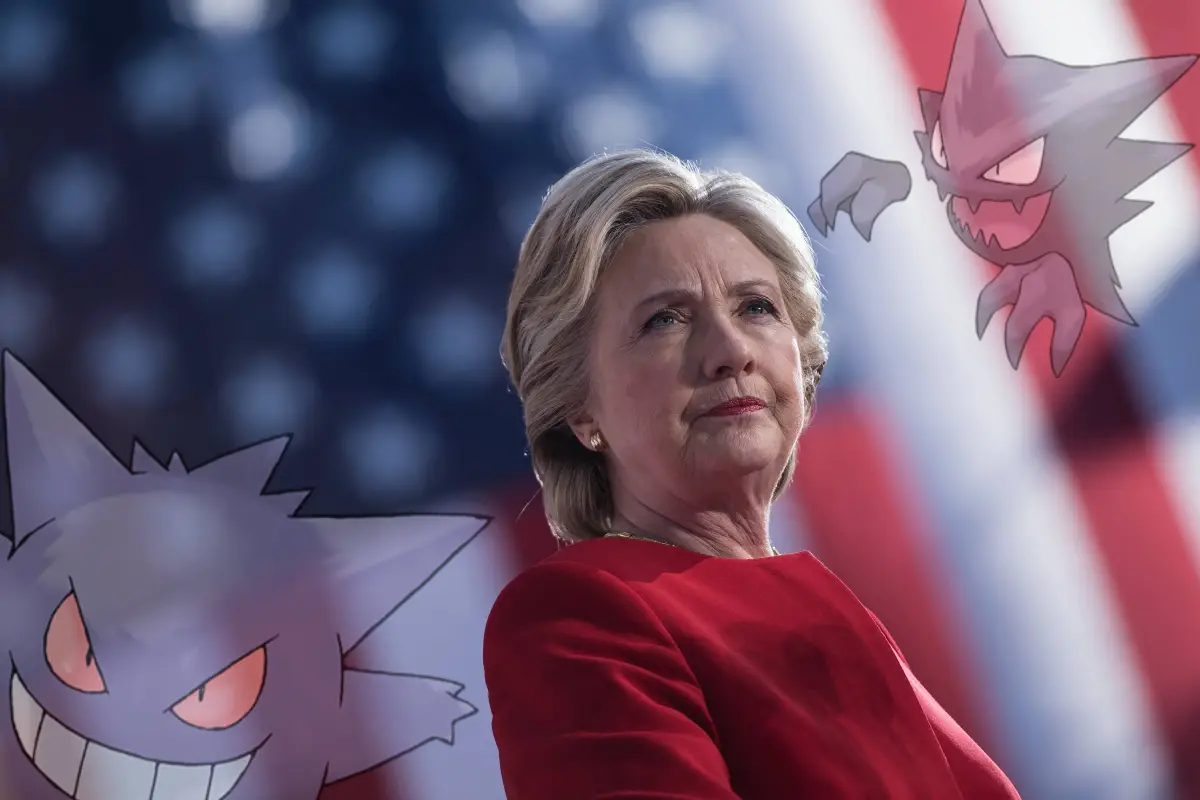
Ten years later, ‘Pokémon Go to the polls’ still haunts the internet
Full Article
Original Source
Read the full article at Techcrunch →KhanList aggregates and links to publicly available news content. We do not host full articles from third-party sources. Always verify important information with original sources.