
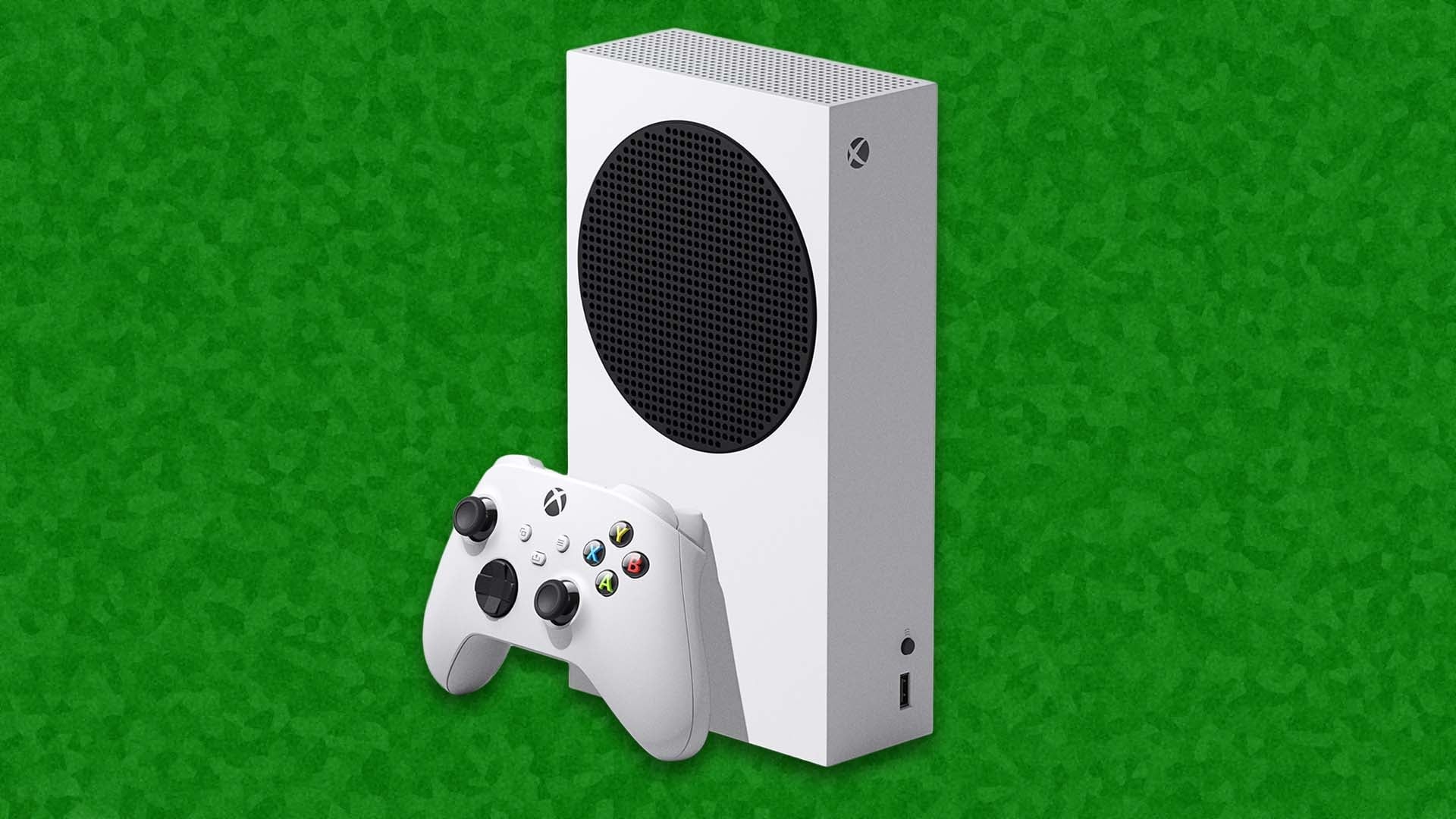
Recently, a group of five storied game developers lined up onstage in Seoul to be interviewed by former Sony indie head Shuhei Yoshida about their work, particularly as it relates to console games. And as part of that discussion, Tekken producer Katsuhiro Harada made a very deliberate point to call out the Xbox Series S for being a pain to develop games for. As reported and translated by Inven Global, the interview was moderated by Yoshida and included Harada; DongKi Lee, the CTO of Stellar Blade studio ShiftUp; Danganronpa head Kazutaka Kodaka; CDPR associate game director Paweł Sasko; and Tynan Sylvester, CEO of Rimworld maker Ludeon Studios. Harada’s remarks were precipitated by the question of what advantages and disadvantages there were to developing for console as opposed to PC. Initially, Harada talked about the advantage of consoles in esports tournaments for fighting games like Tekken. But then, he took a moment to share a very particular opinion: That said, there’s something I really want to say while I have the floor. Since a senior Xbox official is actually in attendance here today, I wish hardware like the “Xbox Series S” wouldn’t be released (laughs). I want to ask Director Paweł personally—honestly, weren’t you upset inside because of Series S? Sasko was careful in his initial response, laughing and saying it “constantly throws challenges at us and forces us to optimize our code very cleanly.” But Harada wasn’t done: You just used a very polite and elegant way to say “Xbox Series S sucks,” right? (laughs) Low memory is an issue, but the hardest part is that it’s a device so similar to Series X while having awkwardly lower performance. When porting to Switch 2, developers can shift their mindset to “Switch 2 is a distinct device for Nintendo fans!” But with Xbox, after delivering your absolute best output, it feels like having to do extra work for a slightly weaker child. Furthermore, in markets like the U.S., there are more Series S users than Series X users, so we can’t just cut corners. Yet after launch, Series S users direct their complaints at us developers rather than Microsoft, asking “Why is texture resolution lower only on Series S?” This time, Sasko gave a more detailed response, though he still shared a much more optimistic view than Harada did, ultimately landing on praising the Series S for the way its lower price enables developers to reach more players: Harada speaks a lot of truth. Players don’t fully understand the technical context behind why fewer characters appear on screen or why visuals are downgraded. However, intensely optimizing for lower-spec platforms definitely brings the benefit of making the game run significantly better across all platforms—including PS5, high-end PCs, and handhelds like Steam Deck and ROG Ally. Recently, with Cyberpunk 2077 Version 2.5, we applied optimization breakthroughs gained while preparing the Switch 2 launch title (which involved a team of 80 to 100 people for over a year) back to all other platforms with great effect. And the biggest advantage of Series S is that its affordable price makes it accessible. Not every gamer can buy expensive high-end hardware, so from a developer’s perspective, even if the strict constraints are painful, there is a silver lining in expanding market penetration to deliver the game to more players. Harada wasn’t having it, concluding by noting that Sasko “packaged Series S so gracefully that the Microsoft representative in the audience keeps nodding along. I’m worried they’ll feel reassured and release a successor like ‘Helix S’ for the next-gen Xbox as well.” It’s no longer a secret that some developers are chafing at having to make games compatible with the weaker Series S console. Baldur’s Gate 3‘s struggles to release on the platform due to issues with splitscreen co-op were the first major sign that something was amiss here, though even before that some developers were reportedly quietly complaining about Xbox’s requirements that games be compatible with both. More recently, Funcom chief product officer Scott Junior said it was a “challenge” to get Dune Awakening on Series S (it did eventually release on the console), and Moon Studio head Thomas Mahler blamed the Series S for No Rest for the Wicked‘s delayed release on Xbox. Also, curiously, Stellar Blade was announced for Xbox but still hasn’t made it to the console. Lee didn’t comment on this in the interview, and it’s unknown if this is related to issues with porting the game to Series S or to any number of other possible reasons. Part of the trouble, as Sasko mentions, is that the Xbox Series S has historically been popular relative to the X, at least in the early stages of the console generation and thanks to lower availability of the X. Xbox Series S initially led Xbox console sales over the X for several years post-launch—as of 2022 it made up nearly 75 percent of the share of Series consoles sold. In the following year, that gap began to close, and by 2024 the X had outsold the S, at least in the U.S. It isn’t yet clear if rising console prices across the board will serve to bring the Series S back in vogue relative to its larger sibling, though its current price of $200 more than it originally retailed for may have something to do with the constant decline of Xbox console sales (Xbox blames supply constraints).
Tekken Boss Katsuhiro Harada Says Developing For Xbox Series S ‘Feels Like Having To Do Extra Work For A Slightly Weaker Child’
Full Article
Original Source
Read the full article at Kotaku →KhanList aggregates and links to publicly available news content. We do not host full articles from third-party sources. Always verify important information with original sources.