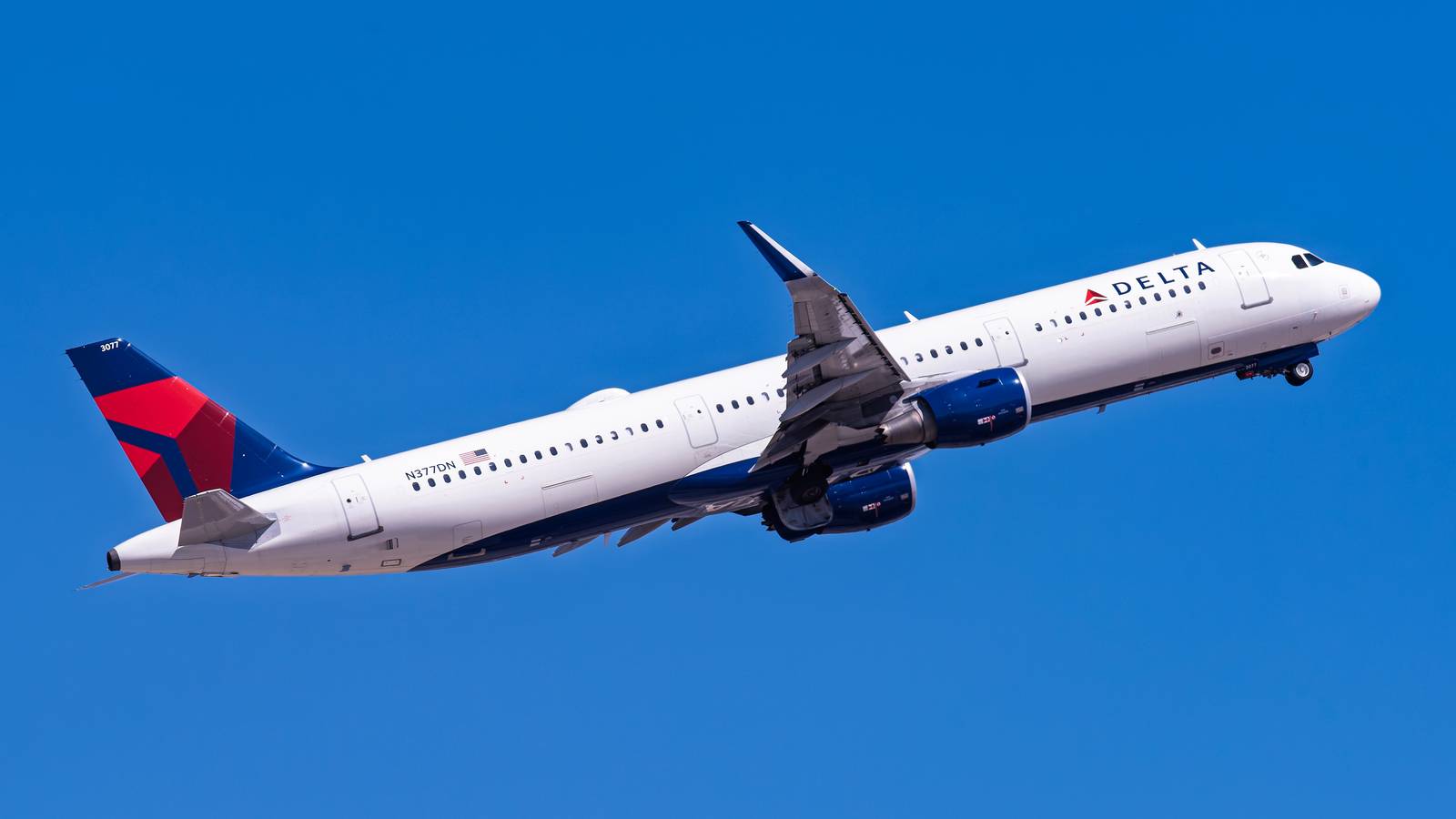
Credit: Shutterstock Published Aug 13, 2026, 9:20 PM EDT Jack comes to Simple Flying with a lifelong interest in all things aviation. He holds a degree in Aerospace Engineering from Georgia Tech, and is a certified private and remote pilot. Beyond these experiences, Jack previously worked for a corporate flight department where he gained first-hand experience in the world of business aviation. Currently, Jack works in the professional services industry and continues to build his flight hours outside of work. Sign in to your Simple Flying account A Delta Air LinesAirbus A321 returned to Hartsfield-Jackson Atlanta International Airport (ATL) on Thursday after a technical malfunction developed shortly after takeoff, forcing the crew to declare an emergency. Flight DL1334, bound for Fort Lauderdale, landed safely in Atlanta approximately 15 minutes after departure. The incident began during the aircraft's initial climb from ATL. The crew stopped the climb at about 5,900 feet and requested priority handling before returning to the airport. Smoke was subsequently reported aboard the aircraft, and the pilots were reported to have worn oxygen masks during the event. Delta confirmed that the flight was delayed following the return. Airbus A321 Returns To Atlanta Credit: Shutterstock DL1334 was operated by Airbus A321-200 registered N363DN. The aircraft departed Atlanta's runway 27R after pushing back from the gate, but the flight did not continue toward South Florida. According to AirLive, the crew transmitted the emergency squawk code 7700 after encountering the technical problem and requested a priority return. Air traffic controllers subsequently guided the aircraft back toward Atlanta, where it landed on runway 27R. The aircraft vacated the runway under its own power after touchdown. The return occurred roughly 15 minutes after departure, limiting the amount of time the aircraft spent away from its departure airport. That is particularly relevant when a technical issue develops shortly after takeoff because the crew can prioritize returning to a familiar airport. In this case, ATL is a large airport with expansive maintenance facilities and emergency services, so it had the necessary infrastructure to handle the aircraft in distress. Smoke Reported Inside The Aircraft Credit: Shutterstock Initial reports described the event as a technical malfunction, but later updates stated that smoke was reported onboard and that the pilots used oxygen masks. The precise source of the smoke has not been publicly established. The New York Post reported that passengers encountered a smoky odor, with the smell reportedly coming from the cockpit area. Delta said the crew responded according to established safety procedures and that the aircraft landed without incident or reported injuries. Smoke or fumes in an aircraft cabin or cockpit can prompt a rapid response because crews must determine whether the source involves an electrical system, engine or auxiliary power unit, ventilation system, or another component. Identifying the cause in flight can be difficult, particularly when the odor is intermittent or its source cannot immediately be isolated. The crew's decision to return to Atlanta therefore allowed the airline's maintenance personnel to inspect the aircraft on the ground rather than attempting to troubleshoot the problem throughout a flight to Florida. Passengers Face A Delayed Journey To Fort Lauderdale Credit: Shutterstock The aircraft landed safely and was subsequently moved away from the active runway. Airport fire and rescue personnel inspected the aircraft as a precaution following the emergency return. There were no reports of injuries associated with the landing. Nevertheless, the incident disrupted the scheduled journey for passengers traveling to Fort Lauderdale. Delta confirmed that DL1334 was delayed, and the airline is working to make alternative arrangements for passengers continuing to South Florida. The flight departed again more than two and a half hours after its original departure, and arrived safely in Fort Lauderdale about three hours late. DL 1334 Timeline August 13 Scheduled Departure Actual Departure Scheduled Arrival Actual Arrival 7:00 AM 10:05 AM 8:54 AM 11:54 AM The event shows how airlines can return an aircraft to its departure airport even when a malfunction does not necessarily indicate an imminent loss of control or other catastrophic failure. A precautionary return gives pilots access to airport emergency resources and allows technicians to determine whether the aircraft is safe to continue operating. In this case, Delta is headquartered at ATL, so a quick return to the field after takeoff made sense. Safety is the number one priority, and Delta's decision to return minutes after takeoff highlights that. The exact technical cause of the incident remains under investigation. Until Delta or relevant authorities provide additional information, it would be premature to attribute the smoke or odor to a specific aircraft system.
Technical Malfunction Forces Delta Air Lines Airbus A321 Returns To Atlanta After 15 Minutes
Full Article
Original Source
Read the full article at Simpleflying →KhanList aggregates and links to publicly available news content. We do not host full articles from third-party sources. Always verify important information with original sources.