
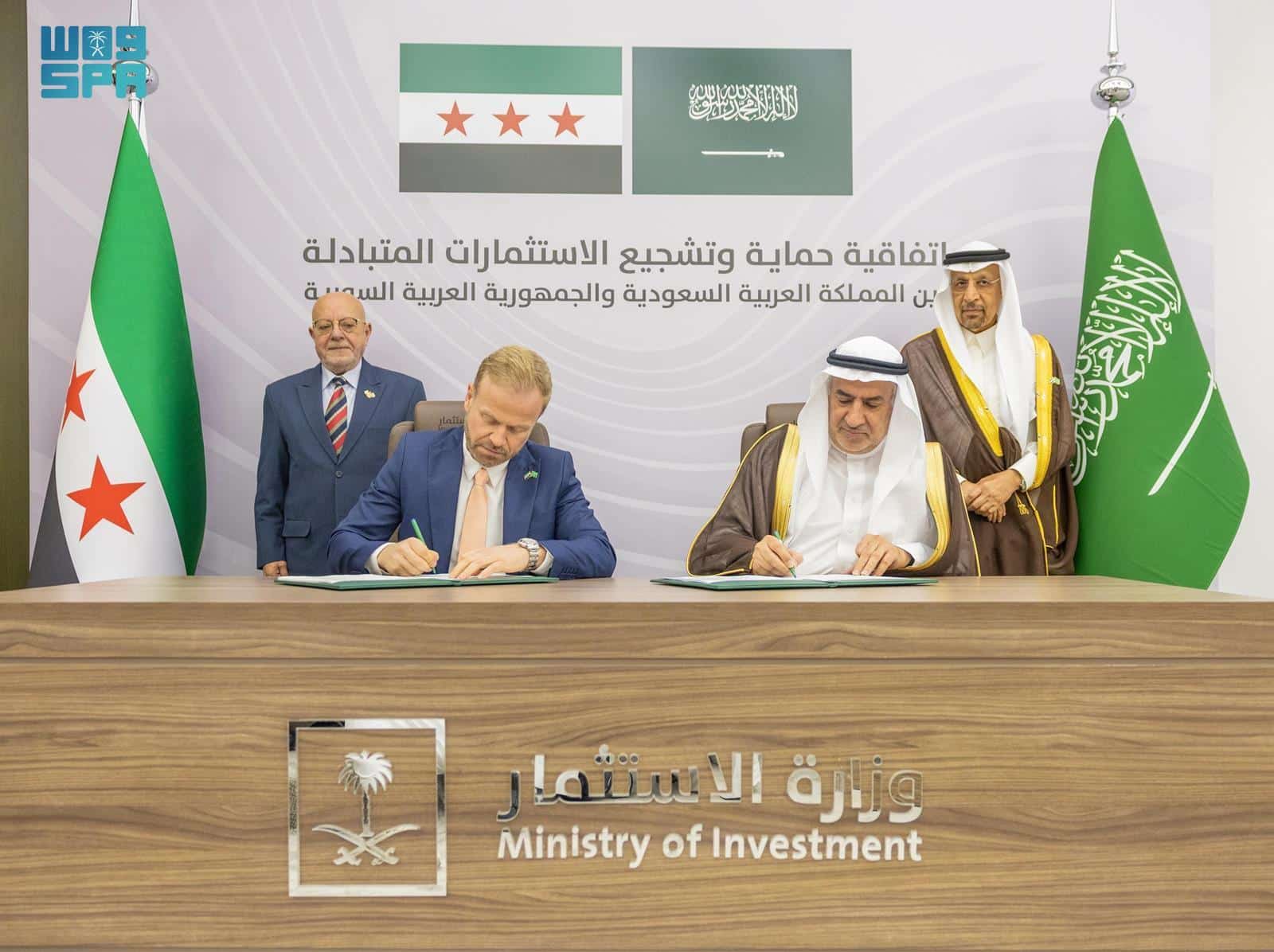
Syria spent more than a decade as a battleground for regional powers. Now it risks becoming a participant in their rivalries. On November 8, the Associated Press reported that Damascus was preparing to deploy 600 special forces personnel to Saudi Arabia’s border with Yemen, where Riyadh is confronting the Iran-backed Houthis. Although Syrian officials have denied plans to send troops into Yemen, Damascus is openly considering joining the Mecca Joint Defense Agreement, also known as the Mecca Pact, the military alliance between Saudi Arabia, Turkey, and Pakistan. For Syria, joining the pact could bring much-needed financial and military assistance as the country struggles to recover from over a decade of civil war. Yet the decision could also undermine Damascus’s effort to maintain balanced regional relationships, pull Syria into conflicts beyond its borders, and increase tensions between Syria and Israel. Syria Stands To Gain Militarily and Economically Reports of Syrian troop deployments came on the heels of a November 4 meeting between Syrian President Ahmad al-Sharaa and Saudi Crown Prince Mohammed bin Salman in Riyadh. The two countries signed a defense cooperation agreement, with the Saudis committing more than $403 million in concessional development loans for Syria’s reconstruction, including energy and housing projects. Since the fall of the former regime of Bashar al-Assad, Saudi Arabia has emerged as one of Syria’s largest financial backers, pledging more than $16 billion in investment agreements. Those investments could also ease the financial burden of rebuilding Syria’s military capabilities. Turkey, another signatory of the Mecca Pact, has provided substantial military training and support to Syria since Assad’s fall. In August 2025, the two countries signed a memorandum of understanding on counterterrorism training and modernizing Syria’s military command structures. Additionally, Pakistan has positioned itself as a potential supplier of weapons to Syria. On November 3, Syrian Defense Minister Murhaf Abu Qasra met with Pakistan’s military attache to discuss expanding bilateral military cooperation. Collective Defense Obligations Could Pit the Pact Against Israel in Syria Syria has pursued a foreign policy aimed at avoiding alignment with any single geopolitical camp while maintaining relations with competing powers. Damascus has cultivated ties with both Saudi Arabia and the United Arab Emirates, deepened its military and political relationship with Turkey, and signaled its willingness to reach a security agreement with Israel. After nearly 14 years of civil war, Syria cannot afford to alienate potential partners, but joining the Mecca Pact would put this strategy to its first major test. It could first invite Iranian intervention if Syria joins the war against the Houthis. Iran-backed militias have already threatened to turn Syria into an “open battlefield” if Damascus intervenes against Tehran’s regional allies, and a former Iraqi official warned that deploying Syrian troops against the Houthis would invite retaliatory attacks on Syria from multiple fronts. The Mecca Pact requires members to come to one another’s aid in the event of an attack. Israel maintains a military presence in southern Syria and has drawn clear red lines regarding Damascus’ military capabilities, particularly its opposition to an expanded Turkish military presence in the country. Unrest in southern Suwayda Province, where Druze factions exercise control with Israeli support, complicates matters because a renewed clash with Damascus could again trigger Israeli intervention. Such a scenario would force the pact’s members to choose between coming to Syria’s defense and risking a confrontation with Israel, or refraining from intervening and undermining their collective defense commitments. Washington Should Keep Syria Out of Regional Conflicts Washington should use its growing relationship with Damascus to pressure it against deploying troops in Yemen. The United States should stress that sending Syrian forces to confront the Houthis risks inviting Iranian retaliation against Syria, reversing one of the most significant gains from Assad’s fall. Washington should also intensify its mediation between Israel and Syria, using the existing U.S.-led security mechanism to negotiate limits on Syrian military deployments near Israel’s border. The negotiations should also address Israel’s concerns regarding the presence of Turkish military bases in Syria. Ahmad Sharawi is a senior research analyst at the Foundation for Defense of Democracies (FDD). For more analysis from Ahmad and FDD, please subscribe HERE. Follow FDD on X @FDD. Follow Ahmad on X @AhmadA_Sharawi. FDD is a Washington, DC-based, nonpartisan research institute focusing on national security and foreign policy.
Syria’s New Alliances Risk Embroiling It in New Conflicts
Full Article
Original Source
Read the full article at Fdd →KhanList aggregates and links to publicly available news content. We do not host full articles from third-party sources. Always verify important information with original sources.