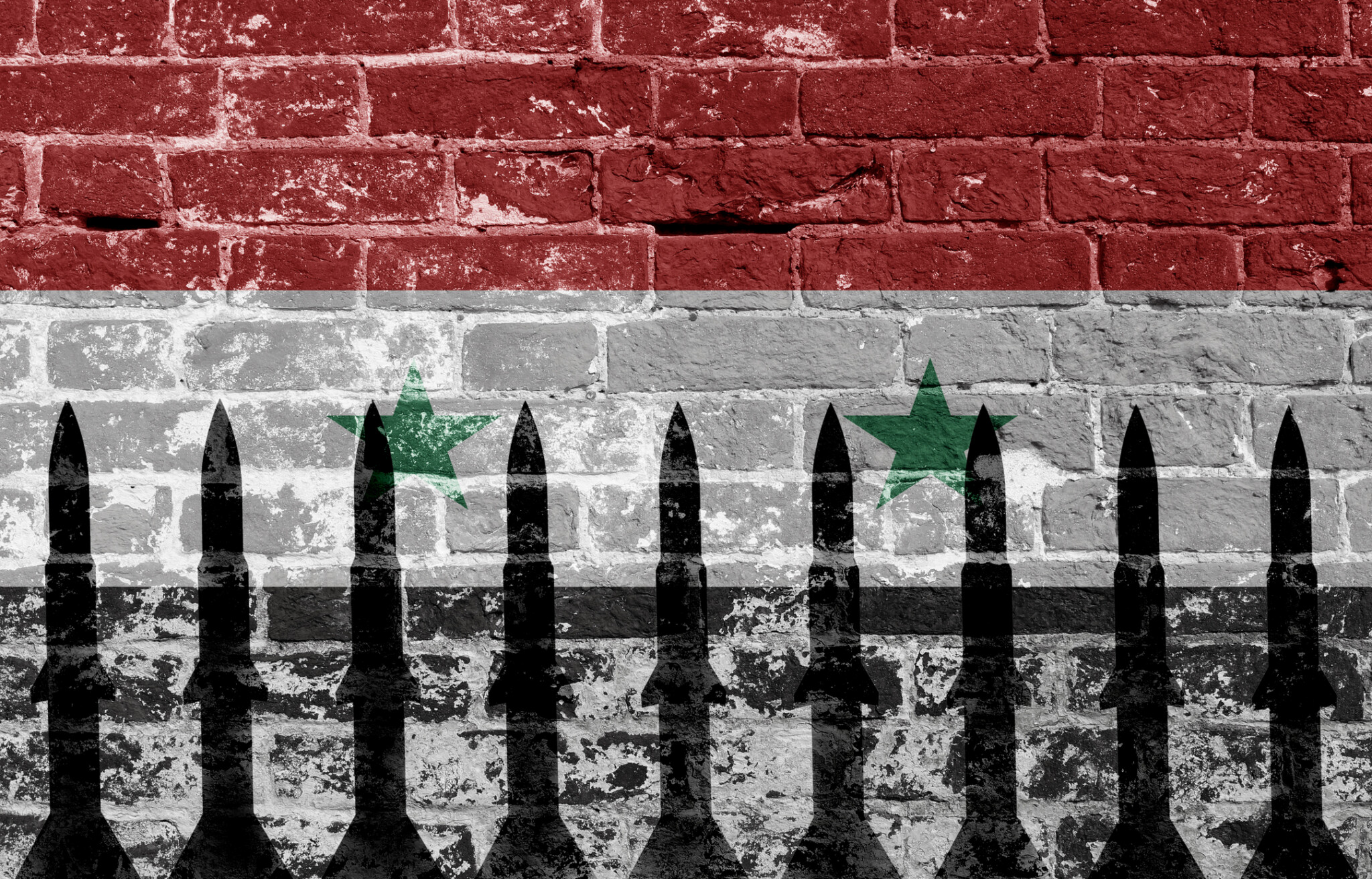
Syria has reportedly agreed to turn over nuclear material — remnants of the Assad regime’s clandestine nuclear program — to the International Atomic Energy Agency (IAEA) under a U.S.-brokered deal. According to an August 10 Axios report, Washington secured the consent of the Syrian government — now led by Ahmed Al-Sharaa, a former Islamist rebel leader who commanded Al Qaeda’s Syrian branch — to an agreement finalized three weeks ago. The deal allows the IAEA to oversee removal of uranium yellowcake and other residual materials from “Site 99,” a secret storage facility tied to the former program. Yellowcake is processed uranium that can be turned into fuel for nuclear reactors or nuclear weapons. Israel had monitored the site closely and pressed the United States to act, warning it might otherwise strike the facility to prevent Damascus from recovering the material. Israeli officials also cited concerns that Turkey — which helped bring Al Sharaa to power — sought to help Syria access the stockpile. The arrangement marks a constructive step toward resolving Syria’s past undeclared nuclear activities. Yet questions persist about the full inventory of facilities, materials, and capabilities tied to the program, as well as Turkey’s interest in the yellowcake. Assad Built Reactor To Produce Plutonium for Nuclear Weapons From as early as 1997 until 2007, North Korea provided the Assad regime with critical assistance to build a nuclear reactor capable of producing plutonium for nuclear weapons, along with related technical expertise. The cooperation may have also included technology to extract and prepare plutonium for a bomb. The yellowcake now being addressed is likely leftover material from efforts to produce fuel for the reactor, which was modeled on North Korea’s Yongbyon design and required natural uranium metal fuel. In September 2007, Israel destroyed the nearly completed reactor at Al-Kibar before it could begin operating. Syria then sanitized the site and removed debris. It allowed a single IAEA inspection in June 2008, which detected man-made uranium particles and supported the agency’s assessment that the facility was likely a reactor. Damascus denied the allegations and any collaboration with North Korea, and soon afterward ceased cooperating with the IAEA. Cooperation began to improve in 2024, when the Assad regime permitted IAEA inspections at three sites linked to the reactor. Sampling found evidence of undeclared uranium processing at one location known as Marj as Sultan. After Assad’s overthrow later that year, the new authorities pledged further cooperation and allowed another inspection of the site. Israel Warned It Could Not Tolerate Nuclear Material at Site 99 According to Axios, the United States and Israel discussed how to handle the remaining yellowcake at Site 99 for more than a year. Israel warned that it could not tolerate nuclear material remaining there and might strike the facility, particularly amid information that Turkey sought to help Damascus recover the stocks. Israeli officials likely worried that Turkey might pursue the material for its own proliferation purposes or that it could fall into the wrong hands. Ultimately, Washington and Jerusalem decided to seek Syrian cooperation in removing it. When approached, the Syrian authorities reportedly denied knowledge of the facility’s contents. A U.S. official told Axios that Syria’s removal efforts should begin soon and could be completed before the end of the year. The IAEA is expected to provide updates at its meetings in September. Damascus Must Facilitate a Full IAEA Investigation The deal underscores the Syrian authorities’ continued progress in addressing the Assad regime’s past proliferation activities, including dismantling chemical weapons assets and holding former officials accountable for their use. Damascus should sustain full cooperation with the IAEA investigation and resolve outstanding issues. These include locating the reactor’s fuel rods, removing remaining nuclear-related materials and equipment, clarifying the extent of North Korean assistance, including on plutonium separation, and addressing past illicit foreign procurements. Syrian authorities should also make former regime personnel available for IAEA interviews and provide relevant documentation. At the same time, Israel should continue monitoring Turkish activities of proliferation concern and share information with Washington, given indications as recently as 2024 that Ankara is seeking a uranium stockpile for unclear purposes. Andrea Stricker is a research fellow and deputy director of the Nonproliferation Program at the Foundation for Defense of Democracies (FDD). For more analysis from Andrea and FDD, please subscribe HERE. Follow FDD on X @FDD. Follow Andrea on X @StrickerNonpro. FDD is a Washington, DC-based, nonpartisan research institute focused on national security and foreign policy.
Syria Agrees To Turn Over Assad-Era Nuclear Material
Full Article
Original Source
Read the full article at Fdd →KhanList aggregates and links to publicly available news content. We do not host full articles from third-party sources. Always verify important information with original sources.