
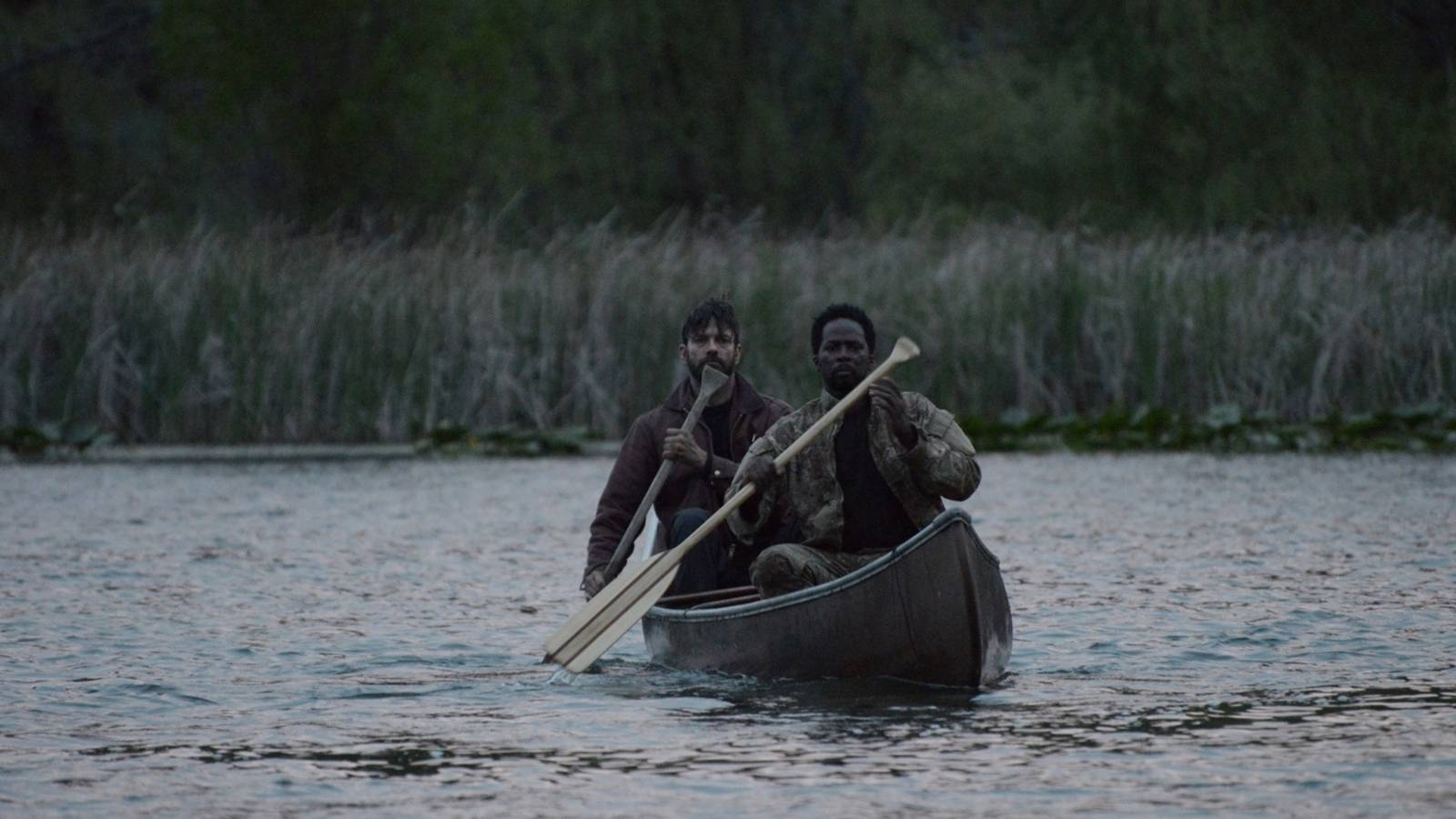
Published Nov 16, 2026, 2:00 AM EST Tom is a Senior Staff Writer at Screen Rant, with expertise covering everything from hilarious sitcoms to jaw-dropping sci-fi epics. Initially he was an Updates writer, though before long he found his way to the TV team. He now spends his days keeping Screen Rant readers informed about the best shows available to stream, whether it's recommending hidden gems that may have been missed or deep diving into ways your favorite shows have (or haven't) stood the test of time. Tom is based in the UK and when he's not writing about TV shows, he's watching them. He's also an avid horror fiction writer, gamer, and has a Dungeons and Dragons habit that he tries (and fails) to keep in check. Even the most diehard fans of zombie stories will struggle to deny that the genre can get repetitive. Across zombie TV shows, movies, books, games, and graphic novels, survivors tend to face the same exhausting routine: find safety and shelter, watch it eventually fall to the undead, then hit the road to find another refuge and begin the cycle anew. The specifics may change from story to story, but the genre still over relies on this tried-and-tested narrative loop. From George A. Romero’s Night of the Living Dead in 1968 to modern hits like The Walking Dead, zombie entertainment has repeatedly built suspense around supposedly secure shelters becoming death traps. It's an effective setup, but one that can soon feel stale to experienced genre fans. That’s why one Syfy series should be celebrated for finding so many new ways to keep its undead apocalypse moving. Z Nation, the five-season saga that made zombies fun again, throws storytelling tradition out the window and gives its survivors much bigger problems than finding their next temporary sanctuary. Following survivors escorting Murphy (Keith Allan), a potential source of a zombie cure, across America, Z Nation turns saving humanity from the undead into a spectacularly messy road trip. The cult classic series offers a refreshing alternative to the likes of The Walking Dead and The Last of Us, especially for viewers exhausted by the relentless misery that tends to define the genre’s small-screen entries. While its campy performances and B-movie sensibilities might initially discourage viewers more used to prestige TV, beneath the cheap thrills sits one of the most subversive zombie shows ever made. Z Nation Avoids Overused Zombie TV Show Plots Initially, Z Nation looks ready to follow The Walking Dead’s familiar blueprint. After an opening involving Murphy receiving an experimental vaccine before getting bitten by zombies overrunning a military facility, the Syfy show drops viewers into a familiar-feeling survivor camp in upstate New York that feels plucked out of literally any zombie TV show. Murphy’s arrival and the reveal of his apparent immunity creates a central mystery from the same trope The Last of Us is built on, and the immediate setting suggest a The Walking Dead-like lengthy struggle to protect a precarious home. That’s when Z Nation pulls out the rug from under smug viewers schooled in zombie stories. The camp falls almost immediately, and its survivors inherit a military mission to transport humanity’s potential salvation to California. This kicks off a cross-country zombie TV show built around an action-filled road trip rather than finding another home isn’t the main objective. The central characters in Z Nation have somewhere to go and a reason to get there. They’re never simply escaping whatever destroyed their previous shelter. Obstacles like the need to find food, water, and ammo in an apocalyptic world defined by scarcity still remain. However, these take a backseat to the roller coaster plot and the larger-than-life communities and dangerous survivors Murphy and his escort encounter on the way to the West coast. That structure gives Z Nation room to keep changing, and it makes full use of the narrative wiggle room. The original delivery mission eventually gives way to competing visions of humanity’s future, including efforts to build a society accommodating intelligent undead. Survival remains at the core, just like any great zombie TV series, but the scope means that survival in this instance comes to encompass humanity as a whole. What’s more, thanks to the show’s willingness to embrace wild plot twists and shocking narrative developments, even the equally familiar setup of a savior figure’s journey across an apocalyptic wasteland never feels predictable. Unlike many of its contemporaries across its 2014-2018 run, as well as many zombie series that followed, Z Nation never feels trapped in the narrative loop of waiting for a fragile period of safety to suddenly collapse. Its forward momentum is relentlessly fast-paced and the trajectory of its narrative arcs are impossible to predict. Every episode can bring a different kind of story and setting, making it the perfect zombie TV show for anyone sick of the formulaicness that often plagues the genre. There’s Nothing Too Wild For Z Nation’s Story Breaking the usual survival narrative cycle most zombie TV shows follow would already make Z Nation refreshing for experienced fans of the genre. However, its storytelling freedom extends well beyond ditching the familiar search-for-safety loop. The cross-country road trip setup would promise incredible variety even in a grounded post-apocalyptic series, but Z Nation is perhaps as far from grounded as it’s possible to be. To say that Z Nation isn’t afraid to get wild is an understatement. This is a series where a tornado full of zombies is treated as a perfectly reasonable plot development. Elsewhere, a giant cheese wheel becomes a downhill zombie disposal system, and botanical researchers produce a strain of undead-fertilized cannabis whose plant is connected to a plant-zombie hybrid. There’s a zombie tsunami, a giant rolling ball of animated corpses, and even the birth of a zombie baby that parodies Biblical Nativity scenes (complete with undead wise men following a star). These aren’t isolated jokes in an otherwise gritty survival thriller, either. The absurdity is part of Z Nation’s central appeal. Even Murphy’s immunity refuses to remain a straightforward cure storyline. As Z Nation continues, his changing condition leads to developing the power to control other zombies, blue skin, and a host of other strange abilities. Humanity’s supposed salvation even eventually starts pursuing the creation of his own zombie-hybrid society. The familiar immune-survivor premise becomes a story about a deeply unreliable man deciding whether saving the species is worth it, and if he can really still consider himself human at all. It doesn’t have grounded horror or the restrained, brooding atmosphere associated with many post-apocalyptic prestige TV shows, but that’s part of Z Nation’s charm. While the effects can be scrappy, and plausibility is something it lets other shows worry about, the Syfy series is still inventive, ambitious, and surprisingly coherent. What’s more, for all its absurdity, it’s not silly. The show is more than capable of taking itself seriously when it needs to. For viewers bored with watching another settlement slowly disintegrate, few zombie shows offer a better antidote than Z Nation. Release Date 2014 - 2018-00-00 Network SyFy Cast Russell Hodgkinson, Pisay Pao, Keith Allan, DJ Qualls, Nat Zang, Joe Gatt, Kellita Smith, Anastasia Baranova
Syfy’s 5-Season Zombie Series Breaks All The Storytelling Rules
Full Article
Original Source
Read the full article at Screenrant →KhanList aggregates and links to publicly available news content. We do not host full articles from third-party sources. Always verify important information with original sources.