
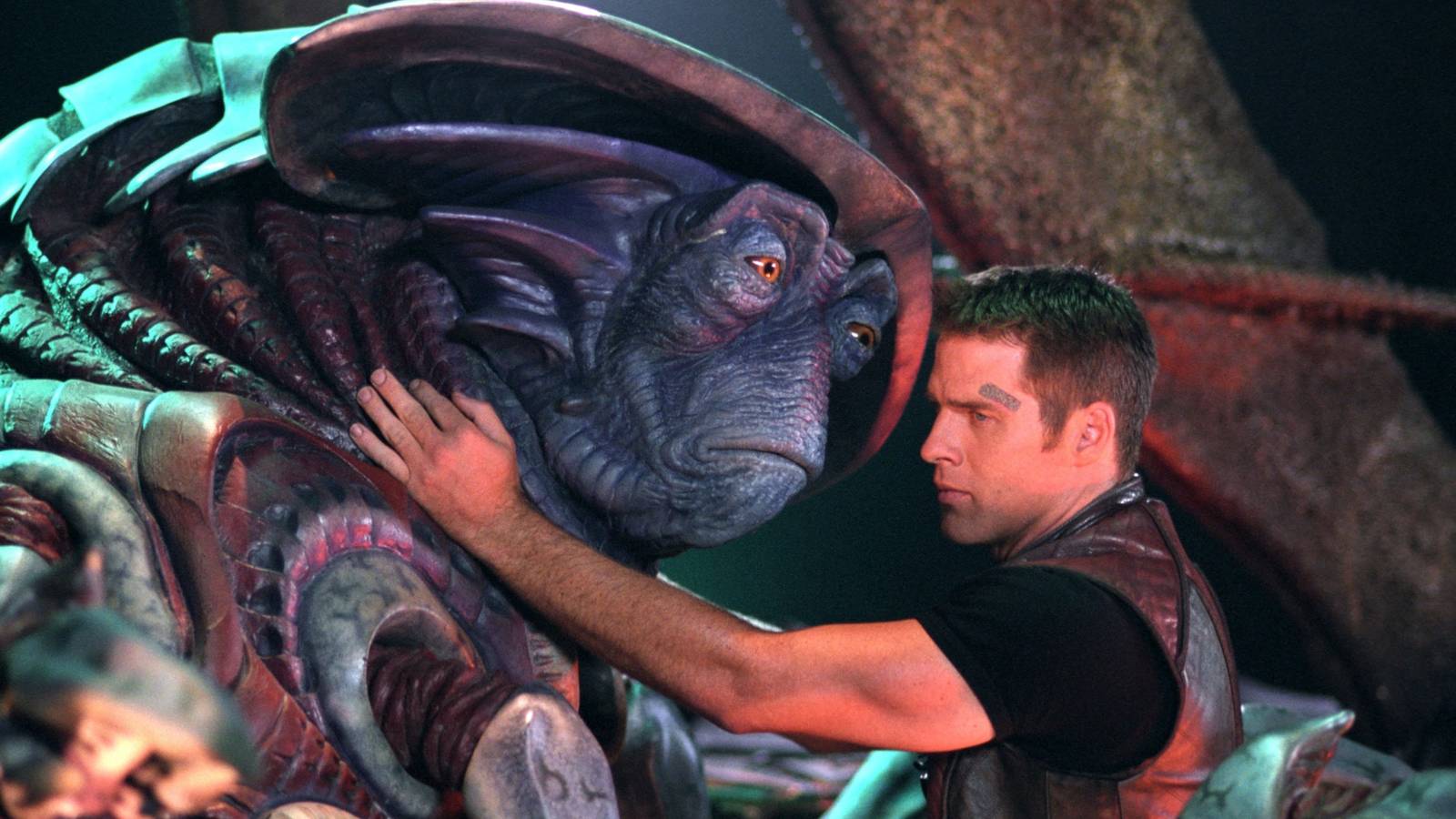
Published Nov 2, 2026, 6:00 PM EST Faith Roswell is a Senior Writer on Screen Rant's Classic TV team. Since earning her degree in Creative Writing over a decade ago, Faith has written articles on film and TV from a variety of different angles. Faith now combines her knowledge of psychology with her love of monster movies to give more insight into what makes the best ones. You may have read her Screen Rant lists and features covering horror, sci-fi, and fantasy, or read her Amazon Top 10 book, "Movie Monsters of the Deep." Faith has had an extensive career as a writer, appearing on BBC live radio, researching true crime for Rotten Mango podcast, and writing for publications including Mental Floss, Atlas Obscura, and The Daily Jaws before beginning here at Screen Rant. It is no exaggeration to say that Star Trek changed the world, making groundbreaking leaps in representation as well as inspiring real-world inventions. That said, few great works of sci-fi are immune to parody, and self-aware silliness is just as much of a staple of the genre as hard sci-fi masterpieces like The Expanse. Star Trek might still be the greatest space opera of all time, but some of the show's parodies are just as worth watching. That said, another space opera masterpiece is a must-watch for a slightly different reason, being deliberately written as Star Trek's opposite. Syfy's Farscape follows the astronaut John Crichton as a wormhole deposits him on a living spaceship among escaped alien prisoners, pursued by a ruthless enemy. The series is hilarious, full of innuendo and multi-layered jokes, with Crichton resembling an early version of Guardians of the Galaxy's Star Lord, regularly making references to Earth culture. This signature sense of humor makes many of Farscape's episodes into classics, but the series is far from a comedy, containing some of the most powerful scenes in sci-fi and plots that rival those of Star Trek, even as Farscape turned the iconic series' premise upside-down. Farscape Was Deliberately Intended To Be The "Anti-Star Trek" Star Trek is set in a utopia, where war and conflict have become obsolete, leaving the human race dedicated to knowledge and exploring space, "the final frontier," with the Enterprise being managed by a competent and structured team. With Star Trek's polished heroes and well-run ship dominating the sci-fi landscape before declining in later years, Farscape was deliberately written to act as the "anti-Star Trek." As a result, the Moya's crew and passengers are messy, chaotic, and deeply flawed in a way that makes each member of the team both lovable and occasionally insufferable. While Star Trek's characters aim to better themselves, Farscape's characters are just trying to make it through the day. Executive producer and director Brian Henson told Syfy Wire that the creators said, "we'll make a show that's bigger and more exciting than Star Trek. But we're also going to make it for a lot less money..." This was a bold move, with many sci-fi TV shows aiming to emulate Star Trek, but it paid off, as Farscape is extremely visually distinctive, with its campy and irreverent tone setting up shows like Firefly and earning it a cult following. Star Trek Might Be A Sci-Fi Icon, But Farscape Is Often Better MovieStillsDB Star Trek was a masterpiece of a TV series, but this does not mean that other sci-fi TV shows have not outperformed it in a few areas. Star Trek's "planet of the week" format was compelling, allowing the crew to meet a different situation and environment each episode, but Farscape reinvented this sci-fi trope in an unusual way. Moya's drive was unpredictable, highlighting the difficulty of navigating space, with the crew having no idea where they would end up next, often resulting in them getting lost in space, while the Peacekeepers' superior navigation skills allow them to catch up. This detail kept Farscape from growing same-y, and when compared to Star Trek: The Original Series, Farscape is the better character study, being highly serialized, with storylines that build on the crew's past trauma and backgrounds, which allowed for some shocking twists. Star Trek's episodes often switched genres, but these felt like one-offs and novelties, whereas Farscape's changing genre was a major part of the series. The show blended dark fantasy, horror, absurdist comedy, and even romance, with different genres fluctuating throughout its four seasons, which allowed Farscape to flow more easily than Star Trek's episodic format. Farscape has a 90% positive critics' score on Rotten Tomatoes. The tremendous advances in visual effects have left many great sci-fi TV shows aging poorly in this respect, but this is where Farscape shines. Beloved characters like Rygel and Pilot were created by the iconic Jim Henson's Creature Shop, and they have stood the test of time in a way that most of the alien characters in the earlier Star Trek series have not. Still, it is a testament to Farscape's success rather than Star Trek's failure that makes the show a must-watch sci-fi masterpiece today. Both shows are perfect space operas, and all the better for being so different. Source: Syfy Wire Release Date 1999 - 2003-00-00 Network Nine Network, SyFy Directors Tony Tilse, Rowan Woods, Andrew Prowse, Ian Watson, Peter Andrikidis, Geoff Bennett, Catherine Millar, Pino Amenta, Brian Henson, Ian Barry, Brendan Maher, Karl Zwicky, Kate Woods Cast Ben Browder John Crichton Farscape is a sci-fi television series that initially premiered in 2004 and was created by Rockne S. O'Bannon. Astronaut John Crichton is sucked into a wormhole across the universe after an experimental flight goes haywire, setting him onboard a ship with a crew of several different alien races. Stuck in space and on the run from a nefarious organization known as the Peacekeepers, John and company work together to make it day-by-day while trying to maintain peace throughout the universe - as much as possible.
Syfy's 4-Part "Anti-Star Trek" Show Is A Must-Watch For All Sci-Fi Fans
Full Article
Original Source
Read the full article at Screenrant →KhanList aggregates and links to publicly available news content. We do not host full articles from third-party sources. Always verify important information with original sources.