
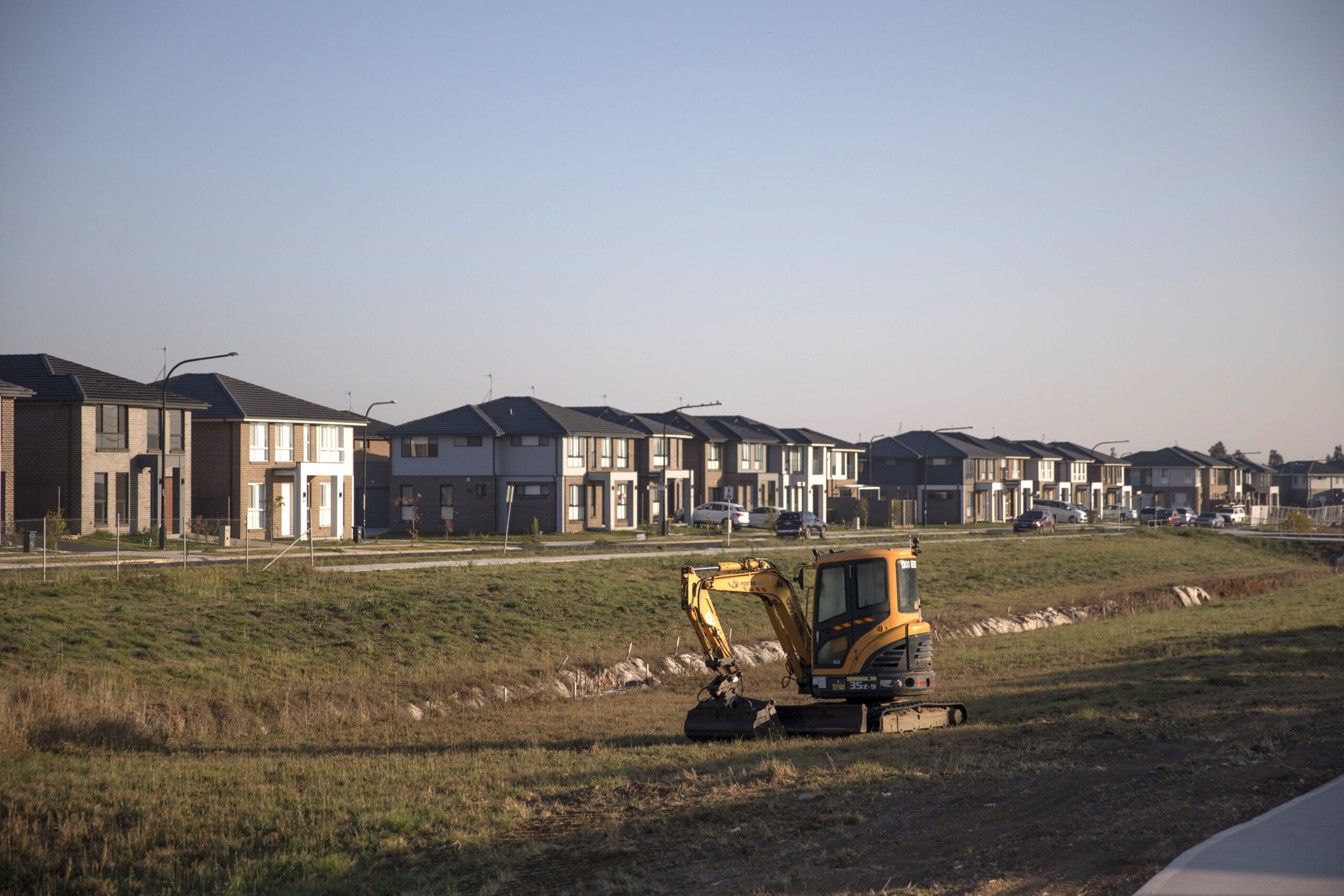
The downfall of an Australian property developer that borrowed heavily from non-bank lenders is stoking fears that cracks are starting to emerge in the nation’s A$200 billion ($144 billion) private credit market. Bathla Group, a major property developer in Sydney, earlier this week fell into insolvency, leaving firms who had provided it with billions of dollars exposed to substantial losses. The company is looking to raise fresh capital, including from existing creditors, according to a person familiar with the matter who asked not to be identified discussing internal plans. Bathla owes lenders about A$3.3 billion, people familiar with the situation said. Bathla’s distress heightens concerns across Australia’s private lending market, which is heavily skewed toward property developers currently grappling with a housing downturn. Tax changes for real estate investors introduced this year, combined with elevated interest rates, have weakened home prices while persistent inflation has pushed up building costs. “More and more lending in construction is going to private credit and the buoyant property market can paper over a lot of cracks,” said Ed Brooke, partner and senior investment advisor at wealth manager Escala Partners Pty. “We are seeing a steady rise in construction costs and timelines, and a lot of the losses haven’t been crystallized yet due to the delays.” Bathla was launched in 1997 and found a niche developing cheap housing in some suburbs of Sydney. The company has 3,500 dwellings in its current project pipeline, according to its website, which are badly needed to address an acute housing shortage. About 40 private credit firms in Australia and abroad have helped fund the developer, according to another person familiar with the matter. PAG, CVS Lane Capital Partners and Centuria Bass are among the company’s biggest lenders, having offered the builder more than A$1 billion, the person added, though their actual exposures may be lower. PAG alone has extended more than A$300 million in debt, people familiar said. Other lenders include Ray White Capital, La Trobe Financial, MaxCap, Wingate and Balmain, the people said. Teneo, which is overseeing Bathla’s restructuring, said in a statement [last week] that its immediate priority is to keep the company operating so it can deliver on projects. The first creditors meeting will be held virtually on Sept. 4 at 11 a.m. Sydney time. PAG and Wingate, owned by CapitaLand Investment, declined to comment. La Trobe referred to an earlier statement expressing support for Bathla and assuring investors that it would not freeze redemptions. Centuria said previously that it didn’t expect Bathla’s issues to have a material impact. Balmain said it expects to fully recover its loans. The other firms did not immediately respond to questions. Some prominent investors had already begun sounding the alarm on Australia’s private credit market. Jonathan Armitage, chief investment officer of Colonial First State, warned last year that higher interest rates would put pressure on those investments. AMP Investments and UniSuper Ltd., two large players in the country’s pensions industry, have made similar warnings. The Australian Securities and Investments Commission has also repeatedly expressed concern. Last year, it found that around half of the private credit market was made up of real estate assets, including loans to property developers. The regulator has said it’s closely watching the sector and there are multiple “enforcement investigations” underway. “We do think this is the first real test for private credit,” ASIC’s chair Sarah Court said at an event on Wednesday, referring to Bathla and other recent instances of stress in the private debt market. “More and more information will come out in the weeks and months that come – but what we’re seeing is in Australia the first significant cracks,” she said. Photograph: A digger beside new houses near Sydney, Australia. Photo credit: Brent Lewin/Bloomberg Copyright 2026 Bloomberg.
Sydney Developer in Distress Sounds Alarm for Private Credit
Full Article
Original Source
Read the full article at Insurancejournal →KhanList aggregates and links to publicly available news content. We do not host full articles from third-party sources. Always verify important information with original sources.