
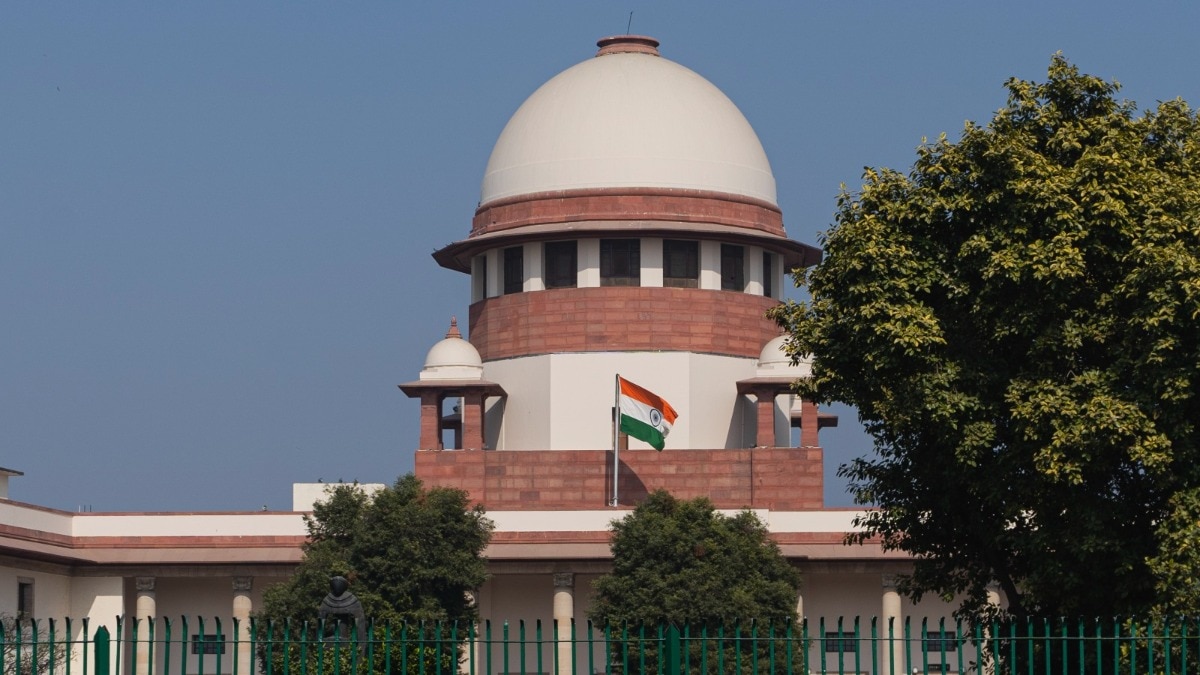
The Supreme Court has passed an interim order restraining the appointment or continuation of teachers in schools and colleges unless they meet the qualifications prescribed under the applicable laws.A Bench comprising Chief Justice of India Surya Kant and Justices Joymalya Bagchi and V Mohana said institutions must follow the qualification requirements laid down under the Right to Education Act, the National Council for Teacher Education (NCTE) Act and the University Grants Commission (UGC) Act.WHAT THE SUPREME COURT SAIDThe court made its position clear in its interim direction, “As an interim measure, no teacher shall be appointed/observed in schools/colleges unless possessing requisite prescribed qualification under Right to Education Act/NCTE Act/UGC Act.”In simple terms, educational institutions cannot appoint or continue teachers who do not have the qualifications required under the law governing their level of education. The rules are different for different categories of institutions. The RTE framework covers elementary education, NCTE regulations deal with teacher education and prescribed school-teacher qualifications, while UGC norms apply to higher education.WHY THE CASE REACHED COURTThe interim order came while the Supreme Court was hearing a Public Interest Litigation challenging statutory schemes relating to the provincialisation of teachers and other employees working in educational institutions. The petition questions provisions that could allow teachers and other employees to enter substantive government service without going through what the petitioners describe as a fair, transparent and competitive recruitment process.The court has issued notice in the matter, and the broader issues raised in the petition are yet to be decided.WHAT THIS MEANS FOR TEACHER RECRUITMENTThe order reinforces a basic requirement: meeting the prescribed qualification is not optional when it comes to teacher appointments.For schools, this means recruitment has to comply with the applicable RTE and NCTE requirements. For colleges and other higher education institutions, the relevant UGC norms must be followed.The Supreme Court’s direction is interim, meaning it is not the final decision in the case. Further proceedings will determine the wider questions raised by the PIL and the eventual scope of the court’s ruling.- EndsPublished By: Princy ShuklaPublished On: Sep 9, 2026 11:02 IST
Supreme Court bars unqualified teacher appointments; cites RTE, NCTE, UGC norms
Full Article
Original Source
Read the full article at Indiatoday →KhanList aggregates and links to publicly available news content. We do not host full articles from third-party sources. Always verify important information with original sources.