
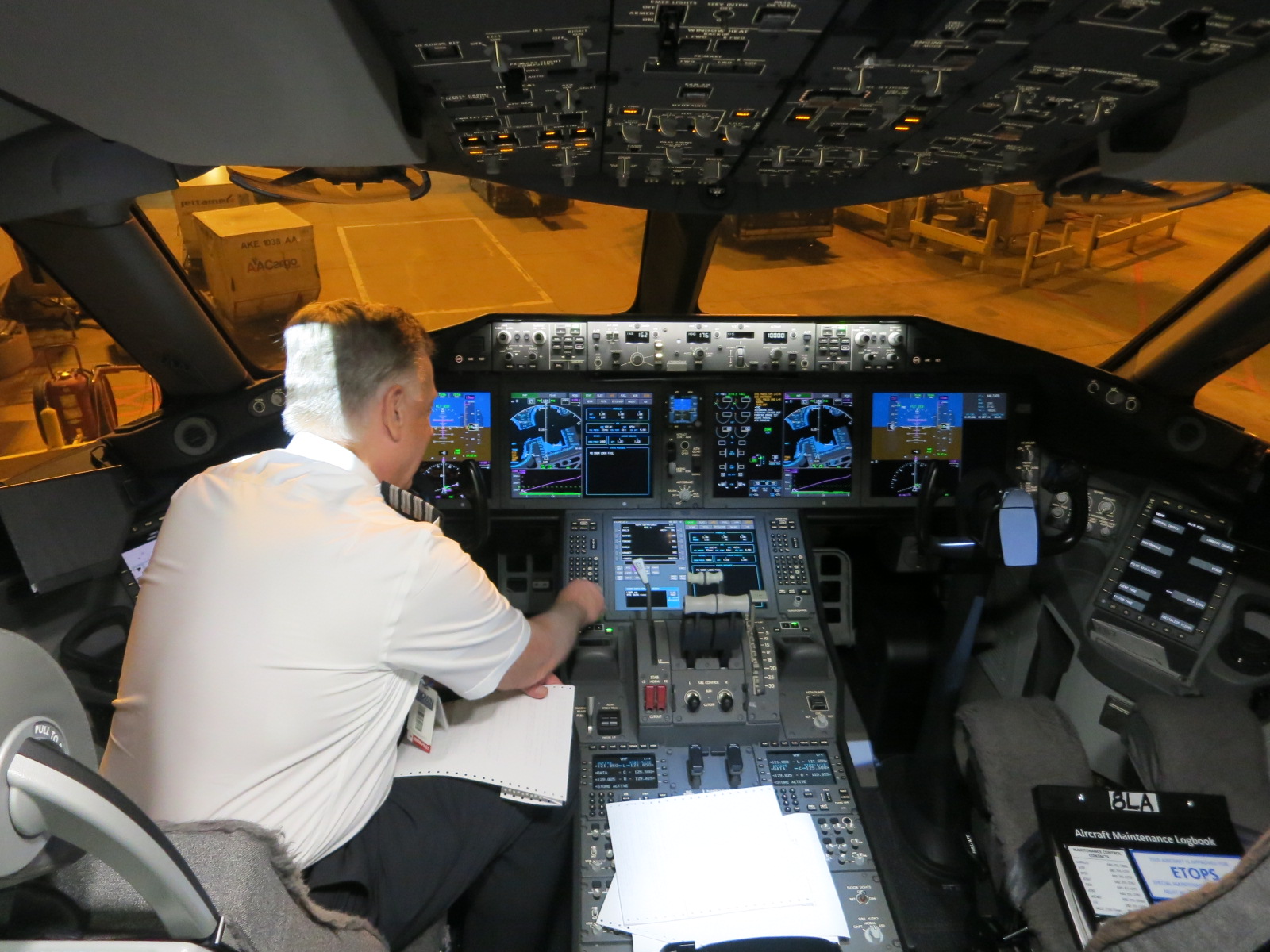
A new European pilot fatigue report says more than three out of four pilots experienced a microsleep in the cockpit over the previous month. Read the survey device, though, and it also counts pilots who were fighting to keep their eyes open. That’s not good! But it’s not actually the same thing. What’s useful is that it helps us understand when flying becomes fatiguing, why a legal schedule can still be a bad schedule, and where American pilot rules still fall short. What The Survey Actually Asked The original is A fatigue survey of European Pilots – 2026, prepared by aviation consultancy Baines Simmons for the European Cockpit Association, which represents pilot associations. In other words, this is meant to bolster pilots who want stricter work rules (both for their quality of life, but also to increase demand for pilots and drive up wages). About 7,200 pilots across 32 countries responded. Participation was voluntary, through a survey promoted by ECA from August 4 through September 7. That may not be a representative sample. The association’s announcement reports: 38.8% usually or always lacked enough recovery time to prevent cumulative fatigue. 24.2% said their usual response when unfit due to fatigue was to skip reporting it and fly anyway. 38.3% had used the captain’s discretion to extend a duty at least once in the previous four weeks. 69.1% expressed at least some concern about consequences if they refused an extension. The promoted headline 76.8% comes from a question combining microsleeps with “head nodding, or fought to keep your eyes open.” And these are self-reported recollections, not any kind of independent sleep measurements or a per-flight exposure rate. Inflight Cockpit Naps Are Actually Allowed In Europe European rules also permit controlled cockpit rest under procedures, while the U.S. doesn’t authorize the same in-seat naps. When adopting Part 117, the FAA said it needed more evidence before allowing controlled rest. A 2024 field study found better reaction time performance before descent among pilots who took controlled rest. The Problems Aren’t Evenly Distributed Five or more occurrences of the combined sleep/sleepiness symptoms were reported by 34.1% of low cost pilots, 30.7% of charter pilots, and 19.6% of network airline pilots. Malta was at 39.3%, Ireland 36.2%, and Spain 33.1%. The reporting figures also suggest an incentive problem. If calling in fatigued means losing money, getting a reputation as unreliable, or facing management scrutiny, some pilots will keep flying. The airline then sees their practices entail little fatigue. A Short Flight Can Come At The Worst Possible Time A European field study published in 2020 followed 392 aircrew members from 24 airlines, using sleep diaries, wrist activity monitors and sleepiness ratings. At the start of descent, the estimated probability of high fatigue was: 15% on daytime duties. 19% on early-start duties. 31% on late finishes. 34% on night duties. Duties spanning the full 2 a.m. to 5:59 a.m. low point in the body clock reached 42%. Prior sleep and working through that low point were major predictors. That can be not good, but it isn’t nearly the 76.8% actually falling asleep that the pilot union group reports. A subsequent EASA-commissioned assessment found that both duty length and the number of flight segments independently contributed to fatigue. Repeated takeoffs and landings matter, along with extended duties and overnight returns from the Americas to Europe. Short and long haul aren’t enough of a distinction here, but short hops that return to base, allowing a pilot to sleep at home and not adjust their body clock, is certainly going to entail less fatigue and risk than long haul flying. Is It Too Much Flying, Too Little Rest, Or Pilots Wasting Their Layovers? Long workdays, repeated sectors and badly timed schedules can leave less opportunity for sleep. Required ‘time behind the door’ can still include eating, showering and winding down in front of the TV. The new European survey doesn’t tell us what share of the problem comes from personal choices or even just not being able to sleep. Just telling someone to sleep doesn’t make their body clock cooperate. There is evidence that personal choices sometimes matter. In the 2013 UPS flight 1354 crash in Birmingham, the NTSB identified the first officer’s fatigue as a contributing factor, tracing it to acute sleep loss from poor management of time off and circadian factors. NASA researchers described a U.S. field study this year involving 159 pilots at four airlines. They collected sleep information and thousands of reaction-time tests, comparing trips with and without overnight flying or shifts between early starts and late finishes. The pilots averaged roughly 17 hours off between duties. Pilots on disrupted trips slept about half an hour less and showed small but statistically significant increases in fatigue and sleepiness, along with worse reaction time performance. Performance was poorest around 1 a.m. to 4 a.m. on their home clock. Europe And The U.S. Treat Pilot Rest Differently Here are the ordinary baselines in the EU/EASA rules and U.S. Part 117. The U.S. column covers Part 121 passenger airlines. Additional pilots, approved rest arrangements and extensions can change the applicable limits. Requirement EU/EASA Airline Rules U.S. Part 117 Rest at home base 12 hours or the preceding duty’s length, whichever is longer. 10 consecutive hours, including an opportunity for 8 uninterrupted hours of sleep. Rest away from base 10 hours or the preceding duty’s length, whichever is longer; must accommodate an 8-hour sleep opportunity plus travel and personal needs. The same 10-hour minimum and 8-hour sleep opportunity. Recurring recovery 36 hours including 2 local nights; no more than 168 hours between recovery periods. Twice monthly, increased to 2 local days. 30 consecutive hours free of duty within the previous 168 hours. Basic flight-duty limit, without extra pilots 9–13 hours, depending on timing and sectors. 9–14 hours, depending on timing and sectors; flight time separately limited to 8 or 9 hours. Cumulative flying 100 hours in 28 days; 900 per calendar year; 1,000 in 12 consecutive calendar months. 100 hours in 672 hours (28 days); 1,000 in 365 consecutive calendar days. Cargo No comparable blanket exclusion for all-cargo airline operations. Passenger operations covered; all-cargo airlines can opt in but aren’t required to. Did U.S. Changes After Colgan Air Actually Reduce Fatigue? The U.S. implemented Part 117 in January 2014. The reform increased minimum rest from eight hours to ten, required an eight hour uninterrupted sleep opportunity, and increased recurring time off from 24 hours to 30. It also made duty limits more sensitive to the body clock, while allowing nine hours of flying instead of eight for favorable reporting times. An early survey of 92 self-identified pilots, conducted months after implementation, found 35% thought the rule improved their fatigue situation and 33% thought it worsened it. That was a small voluntary survey. And I’ve never seen a real national estimate of the reduction in fatigue caused by Part 117. “One Level Of Safety” Doesn’t Answer Which Rules A Flight Needs I’ve argued before that safety requirements should match the operation. A daytime regional trip and a flight across the Pacific pose different demands. The fatigue evidence supports that. An equal commitment to passenger safety can require different staffing, schedules, rest facilities and training. ALPA’s “one level of safety” slogan doesn’t establish that identical requirements produce identical outcomes. In fact, ALPA itself asked for longer rest when pilots enter a new time zone during the Part 117 rulemaking. Even the union’s proposals recognize that different circumstances call for different protections. ALPA does have a reasonable argument for extending commercial fatigue rules to cargo pilots. It protects far fewer people on board, but people on the ground are at risk too (HT: Paddle Your Own Kanoo) Topics on this page
Study Says 77% Of Airline Pilots Fall Asleep In The Cockpit—But Planned Naps Were Allowed
Full Article
Original Source
Read the full article at Viewfromthewing →KhanList aggregates and links to publicly available news content. We do not host full articles from third-party sources. Always verify important information with original sources.