
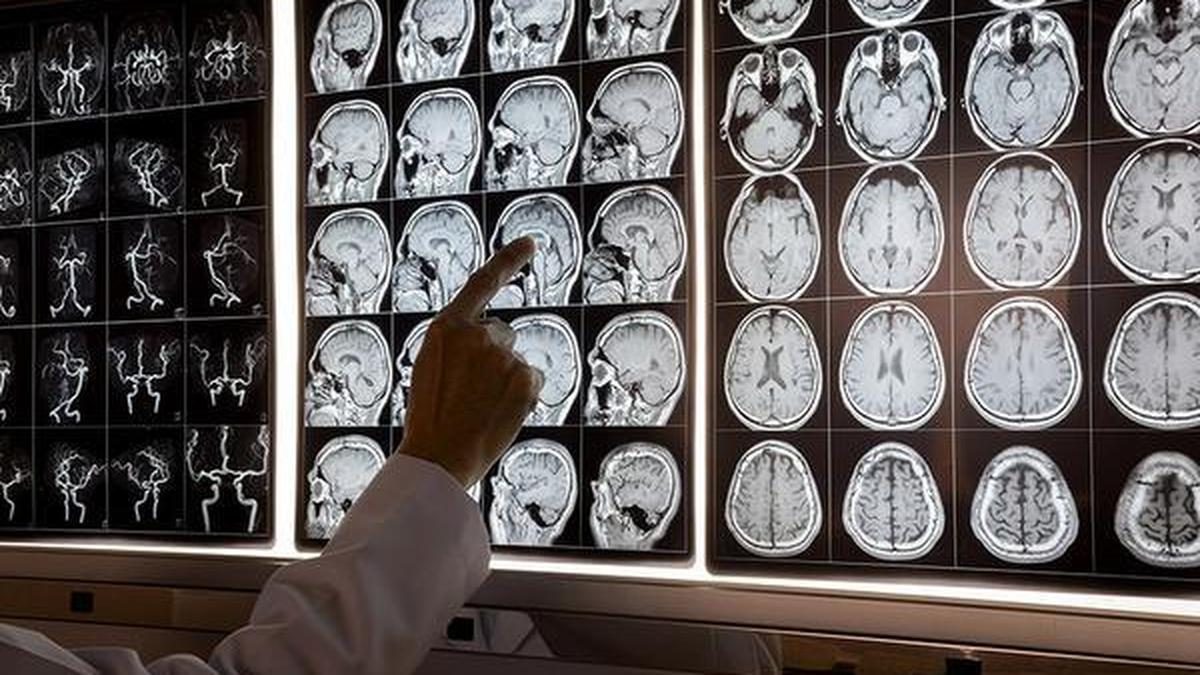
The findings could open the door to more individualised treatment options for people with PTSD in the future, the researchers said | Image used for representational purpose only | Photo Credit: Getty Images A new study has found that DNA methylation, a natural process that acts like a "dimmer switch" to turn genes down or completely off, varies more than expected across different brain regions in genes linked to PTSD.Stress and trauma can leave molecular marks in the brain that may help explain the development of post-traumatic stress disorder (PTSD), a mental health disorder in which one experiences flashbacks or nightmares of a terrifying or life-threatening event.The study, published in the journal 'Cell Reports', also found that among people affected by PTSD, the molecular variations appeared to be driven by a number of factors, including the sex and race of the person, and whether the trauma exposure occurred in childhood or adulthood."The question that our research aims to address is 'What is really different about the PTSD brain?'" corresponding author Frances Champagne of the University of Texas at Austin, US, said."The study found greater variation in DNA methylation patterns across brain regions in people with PTSD than in people with major depressive disorder. It also revealed considerable differences among individuals with PTSD," Champagne said.The findings could open the door to more individualised treatment options for people with PTSD in the future, the researchers said.A detailed methylation profiling was done of postmortem brains from 302 people -- 101 with PTSD, 100 without psychiatric disorders and 101 with major depressive disorder.Three different regions of brain were analysed in each sample: the prefrontal cortex, involved in higher level functions, including decision-making, the amygdala or the emotional centre of the brain, and the hippocampus, which manages memory.The study uncovered specific changes in the brain linked to PTSD, including a relative reduction in oligodendrocytes -- cells that form the protective covering of neurons (myelin sheath) -- in the amygdala of people with PTSD, particularly in those exposed to trauma in adulthood.PTSD was also associated with more pronounced DNA methylation differences in the prefrontal cortex, while major depressive disorder was associated with methylation differences in the amygdala.The molecular patterns were associated with differences in the composition of different cell types in the brain, the researchers said.Because they analysed postmortem brain tissue, the team was not able to confirm whether the methylation differences contributed to PTSD, resulted from PTSD, or were influenced by other factors.The authors also noted that they lacked detailed information about symptom type and severity for each individual, which would be important for developing more personalised methods of diagnosis. Published - November 23, 2026 06:43 pm IST
Study finds PTSD-specific brain changes, paving way for personalised treatment
Full Article
Original Source
Read the full article at Thehindu →KhanList aggregates and links to publicly available news content. We do not host full articles from third-party sources. Always verify important information with original sources.