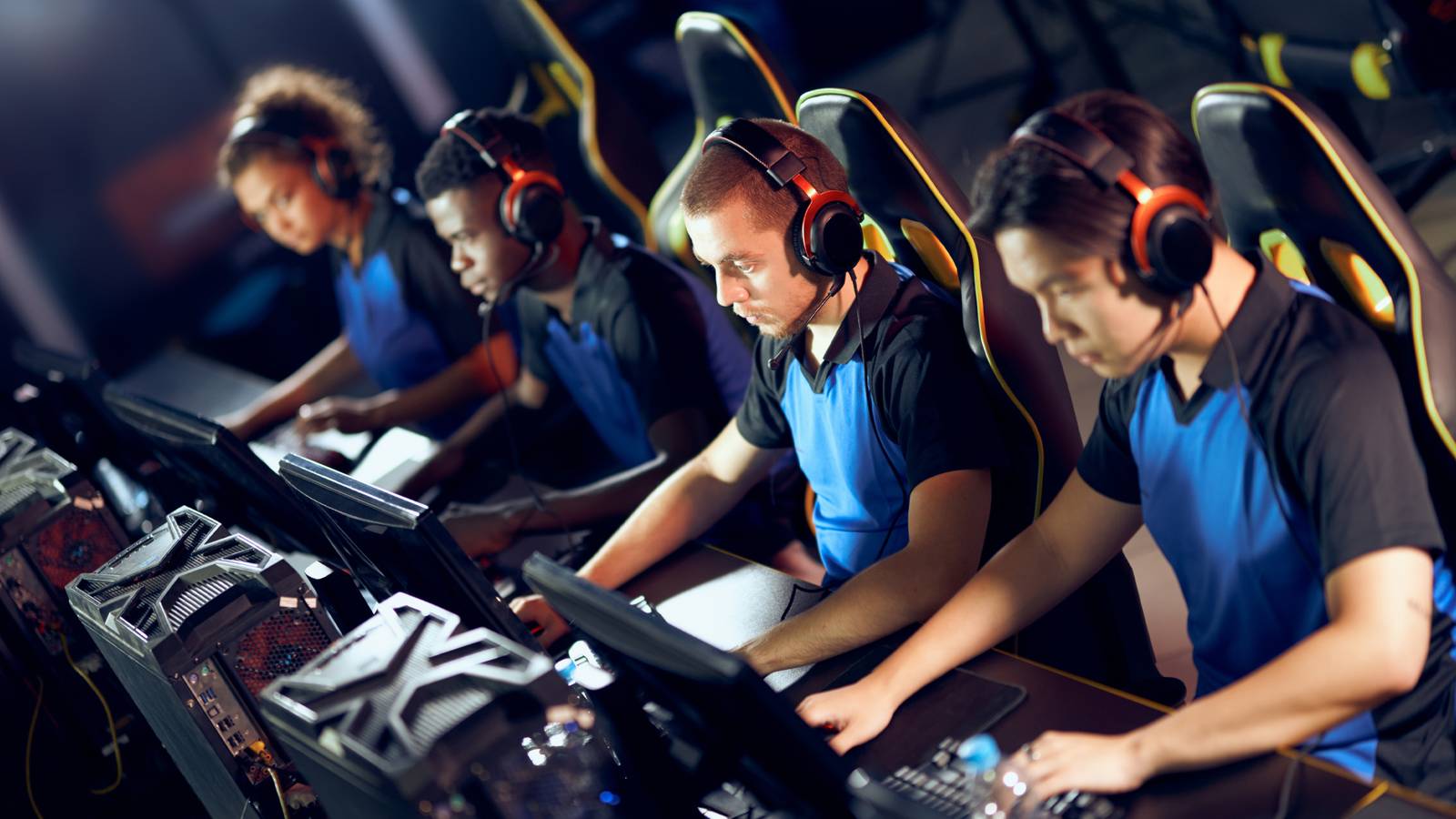
Published Aug 9, 2026, 6:52 AM EDT James Lucas is an Executive Editor at TheGamer who has worked in professional journalism since 2018. A Newcastle University graduate with a degree in Journalism, Media, and Culture, they have written hundreds of guides, news stories, and original reports, with bylines in IGN, NME, GaymingMag, and VG247, sourcing interviews with studio heads, legendary industry figures, prominent actors, and more. An expert on FPS games, Soulslikes, RPGs, and survival horror, James has intimate knowledge of a wide variety of titles, providing in-depth coverage and exclusive profiles. Some of the games they have extensively covered include: Half-Life 3, Counter-Strike, Elden Ring, and Fallout. They pride themselves on their consistently thorough research, leveraging nearly a decade of industry experience. You can reach them at James.t@thegamer.com Esports has been recognized by several international bodies as a sport over the last two decades, and the Olympics even held an official Esports Series in 2023. However, there's still a fierce debate over whether esports can really be classified as a sport, due to the lack of physical exertion. Sports science researcher Jiří Kotas of Masaryk University and his colleagues conducted a study into exactly that, publishing a paper on the energy expenditure of esports athletes during gameplay after looking at five previous studies spanning games like Counter-Strike, Dota 2, and Overwatch. Researchers note the inconsistent conditions, small sample size, and lack of randomization as limits when comparing studies. As reported by Automaton Media (and translated by DeepL), the study found that, while athletes expectedly do not burn many calories sitting behind a desk playing video games, the psychological stress of esports can produce a heart-rate response comparable to that seen in chess — which was officially recognized as a sport by the International Olympics Committee in 1999. Esports Can Burn As Many Calories As... Four Chips A study by Haupt et al found that those with a resting heart rate of approximately 85bpm surged to 137bpm within ten minutes of playing, similar in intensity to high-stress situations like competitive driving. This is an observation that numerous other studies have made, along with a rise in blood glucose and cortisol levels, indicating that players are experiencing psychological stress despite significantly lower energy expenditure. For countries like Germany, which currently recognize chess as a sport but not esports, this similarity could offer an avenue to help change that. "Regardless of their recognition as a sport, esports are widely considered a professional activity," an editorial post to the Olympic World Library explained. "Various universities in countries like South Korea, the USA and China now offer varsity esports programs. Large tournaments are organized which attract sponsors and investments, from celebrities to international brands, resulting in sold-out stadiums and hundreds of millions of livestream viewers." As for the impact on calorie expenditure, esports doesn't make much of a difference. The highest recorded increase in Umut Ziya Kocak's study was a rise from 1.75 kcal/minute at rest to 2.44 kcal/minute during gameplay, equal to 41.4 kcal/hour. That's roughly one mandarin, two tablespoons of cooked rice, or four potato chips. Hardly an intensive exercise. Still, the Olympics considers esports a sporting activity under certain conditions — so long as the game played does not infringe on Olympic values, and so long as there's an organization guaranteeing compliance with the Olympic Charter (anti-doping, illegal betting, etc). Several countries remain unconvinced, and it's widely debated among the public whether it should be classified as such, but with similar impacts as chess, the low physical expenditure of gaming is less significant than it might seem.
Study Finds Esports Has Surprisingly Similar Impact As Chess
Full Article
Original Source
Read the full article at Thegamer →KhanList aggregates and links to publicly available news content. We do not host full articles from third-party sources. Always verify important information with original sources.