
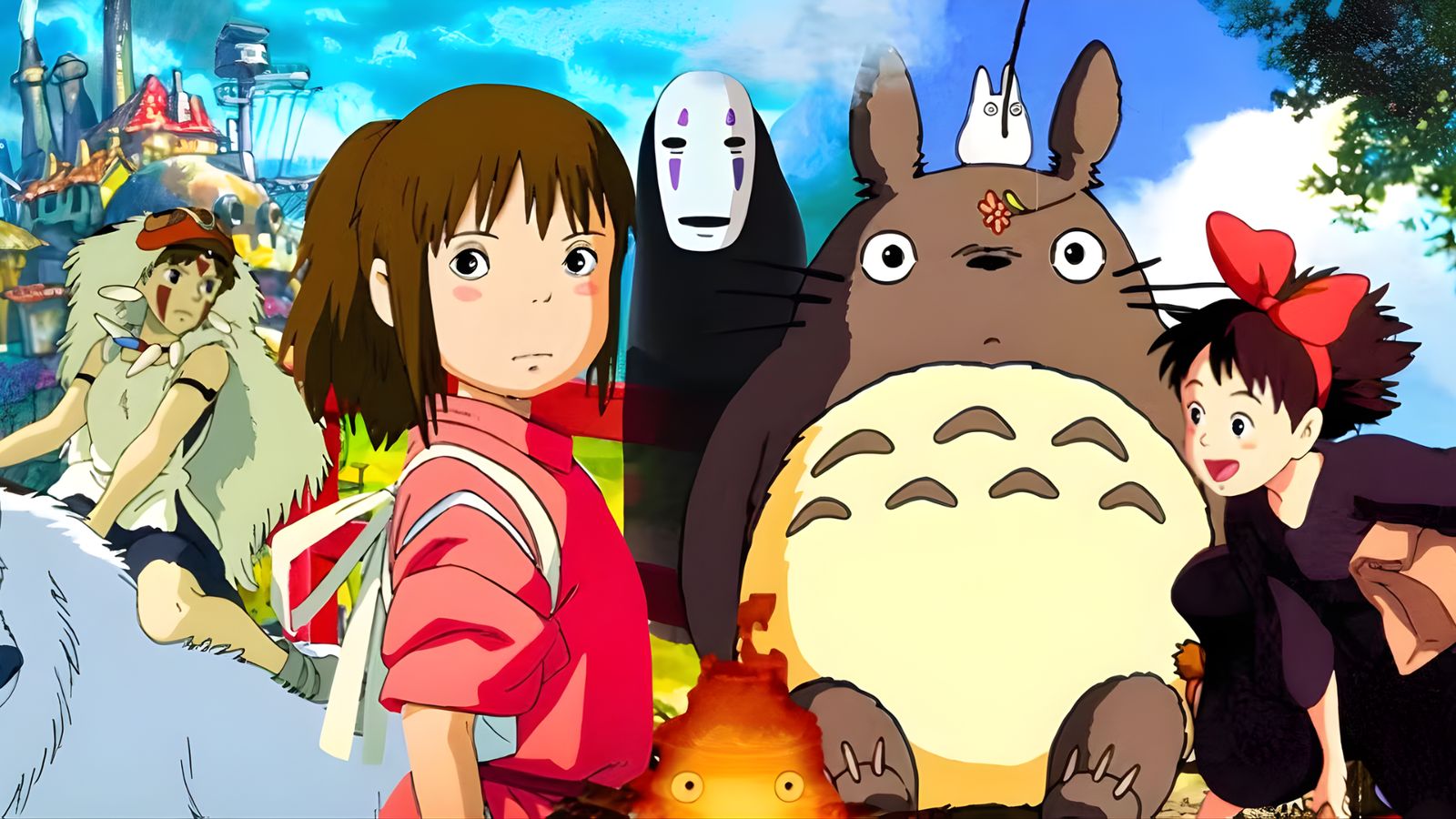
Published Nov 1, 2026, 5:30 PM EST Hannah is a senior writer and self-publisher at ScreenRant. There, she focuses on writing news, features, and list-style articles about all things comics, books, anime, and manga. She works as a freelance writer in the entertainment industry, focusing on video games, anime, and literature. Her published works can be found on Screen Rant, FinanceBuzz, She Reads, and She Writes. Studio Ghibli’s films often find meaning in everyday routines, quiet moments, and characters learning to see the world differently. Now, the studio’s longtime producer Toshio Suzuki is exploring those themes directly in Zen and Ghibli: Life Lessons for Lasting Happiness from the Legendary Studio, a new book published October 13, 2026. The 256-page hardcover, translated by Beth Cary, pairs familiar animated stories with ideas from Zen Buddhism. Rather than treating Ghibli movies as simple fables and childrens stories, Suzuki discusses them with three Buddhist monks: Sokyu Gen’yu, Nanrei Yokota, and Shinsuke Hosokawa. Their conversations connect the studio’s imaginative worlds with practical questions about attention, uncertainty, and expressing emotions. Priced at $29, the illustrated book includes Japanese artwork and film stills, offering fans another way to consider why these stories remain meaningful decades after their release. Zen and Ghibli: Life Lessons for Lasting Happiness from the Legendary Studio is available to purchase now through this link Zen Principles Are Hiding In Ghibli’s Most Beloved Stories One lesson is zazen, the practice of turning attention inward, which the book explores through Kiki’s experience in Kiki’s Delivery Service. Kiki’s struggles with confidence and the loss of her flying ability make her journey more than a coming-of-age adventure. Her story becomes a way to consider how reflection and self-awareness may help people regain perspective when everyday pressures become overwhelming. The Wind Rises provides a lens for kunjū, or learning by watching and absorbing the world around you. The film follows aircraft designer Jiro Horikoshi as he pursues a dream shaped by imagination and real-world consequences. Through this example, Suzuki and the monks examine how much people learn through observation, not simply through instructions or formal teaching. That distinction matters in a film where ambition and loss sit side by side. Other concepts emerge through Ghibli’s more mysterious stories. In Princess Mononoke, fushiki points toward the strength found in not knowing everything, a useful counter to the urge to demand easy answers. Howl’s Moving Castle, meanwhile, shows furyū monji: communicating feelings that words alone cannot fully capture. Together, these readings suggest that uncertainty and emotion are not weaknesses to eliminate. The Book Finds Everyday Guidance In Ghibli’s Magic The discussions also revisit a small but memorable detail from Kiki’s Delivery Service about why Kiki’s black cat, Jiji, stops speaking in the way he once did. Instead of presenting the detail as a puzzle with one definitive answer, the book uses it to open a wider reflection on growing up and how a person’s relationship with the world can change over time. That approach fits the wider connection Suzuki draws between Zen and Studio Ghibli. The films make room for silence, ambiguity, grief, wonder, and ordinary work, rather than promising that happiness comes from controlling every circumstance. The conversations explore how releasing the need to fill every moment with worry, or treating “nothingness” as something to fear, might offer relief. Suzuki, the Oscar-winning producer behind films including Spirited Away, My Neighbor Totoro, and The Boy and the Heron, has helped shape Studio Ghibli’s creative legacy for more than four decades. Zen and Ghibli turns that history into a guide to looking inward while staying engaged with the wider world. Its central idea is hopeful: both people and the world around them are worth caring for and protecting.
Studio Ghibli's Latest Big Release Has Some Life Lessons That Every Fan Needs
Full Article
Original Source
Read the full article at Screenrant →KhanList aggregates and links to publicly available news content. We do not host full articles from third-party sources. Always verify important information with original sources.