
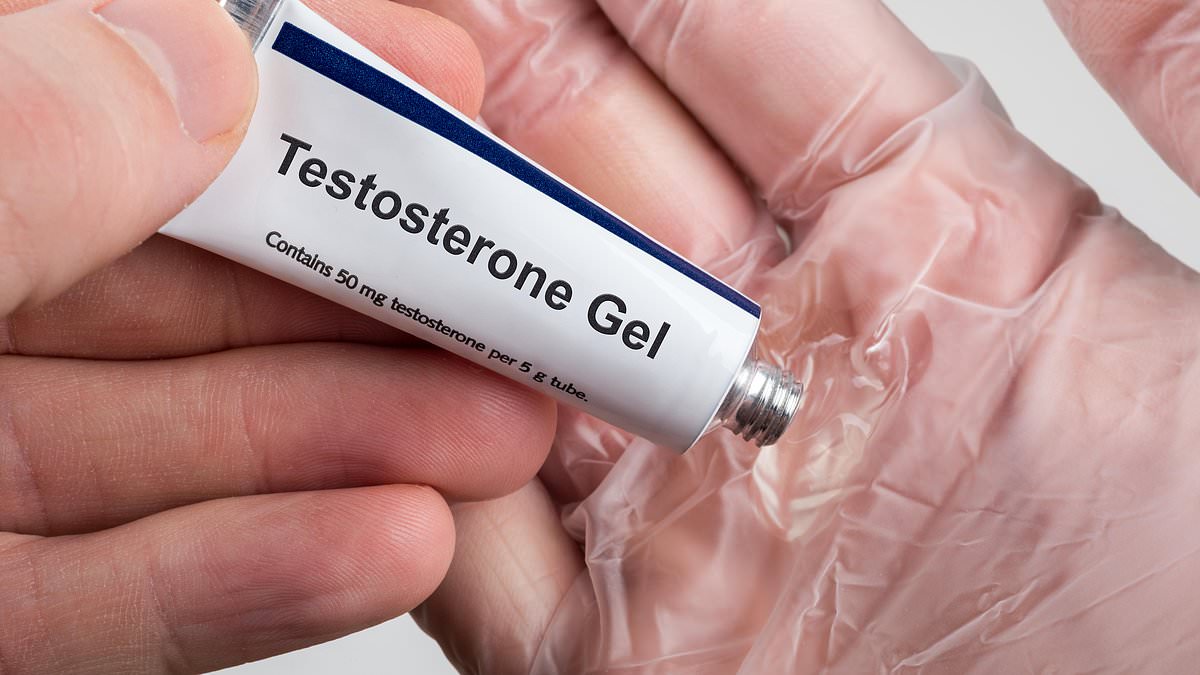
A hormone therapy taken by thousands of men could increase the risk of a dangerous heart rhythm problem that can trigger a stroke, scientists have warned.Researchers say taking testosterone could trigger atrial fibrillation if the hormone reaches abnormally high levels. The condition, which causes the heart to beat irregularly, can lead to heart failure and deadly stroke.American scientists made the discovery after reviewing evidence from existing studies that linked testosterone therapy to atrial fibrillation.So-called testosterone replacement therapy (TRT) works by supplementing testosterone, the primary male sex hormone, in men whose bodies do not produce enough of it – medically known as hypogonadism. While the sex hormone lowers with age, it's estimated that only between two and five per cent of men suffer a clinical deficiency. Very low levels can trigger fatigue, low mood, difficulty concentrating and remembering, as well as a depleted sex drive. However, in recent years the therapy has become popular with men without a diagnosis of hypogonadism, amid claims it can boost energy levels and improve exercise performance. Researchers say testosterone replacement therapy (TRT) could trigger atrial fibrillation if it is not tailored to a man's individual needsThis has led some men to seek treatment privately, rather than through the NHS, where TRT is prescribed only to those who meet specific criteria.Experts have warned against the trend, flagging worrying side effects such as weight gain and prostate enlargement. Now, researchers from Kansas City Veterans Affairs Medical Centre in the US have found that it may also put patients at risk of the heart problem. The team found that men with very high levels face a greater risk of developing the heart condition, along with men who have abnormally low levels.Men with testosterone levels in the middle of the normal range are at the lowest risk, they added.Scientists say the findings suggest TRT may need to be personalised for each patient.'Both too little and too much testosterone appear to raise the risk of atrial fibrillation... which means the dose and the target level matter,' said the study's co-author Rajat Barua, chief of interventional cardiology at Kansas City VA Medical Centre.'What the review argues is that treatment should be individualised and monitored.' There are many ways of taking TRT, and some of them make testosterone levels fluctuate more than others.The first is testosterone gel, which is rubbed onto the skin each day and gradually absorbed into the bloodstream. Meanwhile, injections are given every few weeks and release a large first dose of testosterone.Levels can rise sharply at first but gradually fall before the next dose, creating dramatic swings.Longer-acting injections, on the other hand, release testosterone more slowly. They can be administered every 10 to 14 weeks and provide steadier levels for longer.The researchers suggested that men at increased risk of heart rhythm problems may be better suited to this, more gradual, type of TRT.Testosterone levels decline as men get older, by around one to two per cent after the age of 30. But having lower levels with age does not automatically mean someone has hypogonadism or requires TRT. It's thought that thousands of men have received TRT at private clinics - some of whom are not deficient.Researchers in the new review said doctors could assess TRT patients for risk factors of atrial fibrillation in simple ways.This includes monitoring obesity, sleep apnoea, high blood pressure and alcohol use, before starting TRT.Patients should also have regular checks of their heart rhythm and blood pressure to make sure treatment remains safe, they said.The authors stressed that their conclusions are based on a review of existing evidence, and that their findings are open to interpretation.
Stroke warning over testosterone therapy taken by thousands of men
Full Article
Original Source
Read the full article at Dailymail →KhanList aggregates and links to publicly available news content. We do not host full articles from third-party sources. Always verify important information with original sources.