
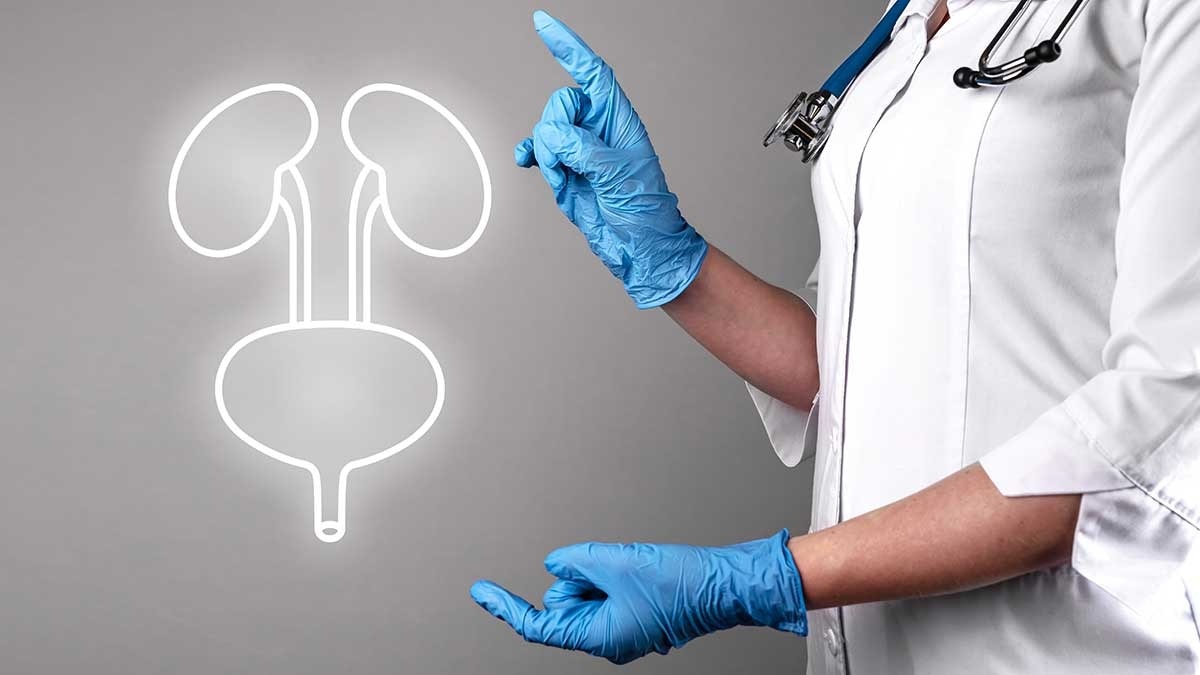
Stress is often associated with sleepless nights, anxiety and difficulty concentrating. However, prolonged stress can also affect bladder function, pelvic floor muscles and sexual health, sometimes causing symptoms such as frequent urination, urinary urgency, difficulty emptying the bladder and erectile difficulties.The connection lies in the interaction between the brain, nervous system and the muscles involved in urination and sexual function. When the body remains under stress, changes in nervous system activity and muscle tension may influence these functions.However, not every urinary or sexual health problem is stress-related. According to Dr. Samir Khanna, Director – Urology at the CK Birla Hospital, Delhi, persistent symptoms require medical evaluation to identify the underlying cause.HOW DOES STRESS AFFECT BLADDER FUNCTION?Chronic stress can influence how the brain perceives signals from the bladder, making a person more sensitive to sensations of fullness or the urge to urinate. This may lead to frequent trips to the bathroom, urinary urgency or the feeling that the bladder needs to be emptied even when it is not full. Explaining the connection, Dr. Khanna says, “Stress can heighten awareness of bladder sensations, increase urinary urgency and frequency, and make some individuals feel the need to urinate even when the bladder is not full.”Stress may also contribute to tension in the pelvic floor muscles, which support the bladder and help regulate urination. If these muscles remain contracted or do not relax appropriately, a person may experience discomfort, difficulty initiating urination or problems emptying the bladder comfortably. However, difficulty emptying the bladder should not automatically be attributed to stress, as it may indicate an underlying urological or neurological condition.CAN STRESS AFFECT SEXUAL HEALTH IN MEN?Prolonged stress can affect libido, erectile function and sexual performance by influencing the hormonal, neurological and psychological processes involved in sexual arousal.When the body remains in a heightened stress response, increased sympathetic nervous system activity can interfere with the relaxation of blood vessels needed to achieve an erection. Stress may also affect sexual desire, concentration and confidence, particularly when a person is worried about sexual performance.“Stress can significantly affect male sexual health by disrupting the hormonal, neurological, and psychological processes involved in sexual arousal,” says Dr. Khanna.These difficulties may become more pronounced when accompanied by poor sleep, relationship concerns or depression. Repeated episodes of erectile difficulty can also lead to performance anxiety, creating further stress around sexual activity.Persistent erectile dysfunction or reduced libido warrants medical evaluation, as hormonal imbalances, vascular problems and metabolic conditions may also contribute to these symptoms.CAN ANXIETY CAUSE URINARY SYMPTOMS WITHOUT AN INFECTION?Yes, anxiety and prolonged stress can contribute to urinary symptoms even when initial investigations do not identify an infection or structural abnormality.Stress may heighten the brain's perception of bladder signals, leading to increased frequency, urgency or a sensation of incomplete emptying. Pelvic floor muscle overactivity may also contribute to discomfort and difficulty urinating.However, the absence of an identified urinary tract infection does not necessarily mean stress is responsible. Some medical conditions may require further assessment, depending on the symptoms and clinical findings.Dr. Khanna explains that stress may be one contributing factor, but persistent or recurring urinary symptoms need appropriate clinical assessment to determine whether stress management, pelvic floor therapy or other treatments may help.WHAT IS THE CONNECTION BETWEEN STRESS AND PELVIC FLOOR MUSCLES?The pelvic floor muscles support the bladder and other pelvic organs while helping regulate urination and sexual function. Stress can increase involuntary muscle tension, including in these muscles.When the pelvic floor remains contracted or fails to relax properly, a person may experience pelvic discomfort, urinary urgency, difficulty initiating urination or pain during sexual activity.This pattern may be associated with a non-relaxing pelvic floor, in which the muscles have difficulty releasing tension when required.According to Dr. Khanna, pelvic floor physiotherapy, relaxation techniques and diaphragmatic breathing may help manage these symptoms. However, treatment should be tailored to the underlying muscle dysfunction rather than assumed to be necessary for everyone experiencing stress-related symptoms.HOW CAN STRESS AND URINARY OR SEXUAL PROBLEMS BECOME A CYCLE?Stress-related symptoms can sometimes become self-reinforcing. For instance, a person who experiences urinary urgency or difficulty achieving an erection may begin anticipating the problem in situations where it has occurred previously.This anticipation can increase anxiety and physiological arousal, potentially worsening bladder sensitivity, pelvic floor tension or erectile difficulties. Repeated episodes may then undermine confidence and create further distress.Over time, worrying about whether a symptom will recur can become an additional source of stress, making the original problem more difficult to manage.Breaking this cycle involves addressing both the physical symptoms and the psychological response. Appropriate medical evaluation, stress-management strategies, reassurance and psychological support may help reduce anticipatory anxiety and improve confidence.HOW CAN YOU DISTINGUISH STRESS-RELATED SYMPTOMS FROM A MEDICAL CONDITION?Symptoms that fluctuate with emotional distress or improve during periods of relaxation may suggest that stress is contributing to the problem. They may also occur alongside anxiety or sleep disturbances.However, these patterns alone cannot establish the cause.Urinary frequency and urgency may be associated with urinary tract infections, diabetes, prostate enlargement, overactive bladder or neurological conditions. Erectile difficulties may also be linked to cardiovascular disease, diabetes or hormonal imbalances.A urological assessment may involve a detailed medical history, physical examination, urine testing, blood glucose assessment and other investigations, depending on the symptoms.Stress should therefore be considered a possible contributing factor, not a diagnosis made before relevant medical causes have been assessed.WHEN SHOULD YOU CONSULT A UROLOGIST?Frequent urination, urinary urgency, difficulty emptying the bladder, pelvic discomfort or erectile difficulties should be evaluated when they persist, recur or interfere with daily life and relationships.Medical assessment is particularly important for people with diabetes, cardiovascular risk factors or a history of urological problems. Blood in the urine, painful urination and recurrent urinary infections also require medical attention.Inability to pass urine despite a strong urge, especially when accompanied by lower abdominal pain, requires emergency medical care.Dr. Khanna emphasises that identifying the underlying cause is important for choosing the right treatment. Assuming that symptoms are caused by stress may delay the diagnosis of a treatable medical condition.WHAT TREATMENTS CAN HELP WHEN STRESS CONTRIBUTES TO THESE PROBLEMS?Treatment depends on the underlying cause and may involve a combination of lifestyle changes, psychological support, physiotherapy and medication.Regular physical activity, adequate sleep and relaxation techniques may help manage stress. Reducing excessive caffeine or alcohol intake may also help some people manage urinary symptoms.Pelvic floor physiotherapy may be beneficial when muscle tension contributes to discomfort or difficulty urinating. Cognitive behavioural therapy or counselling may help address anxiety and sexual performance concerns.Persistent erectile dysfunction or bladder symptoms may require medication or condition-specific treatment after clinical evaluation.“The treatment should address both the symptoms and the contributing factors,” is the central principle of an individualised approach, with Dr. Khanna stressing the importance of ensuring that underlying medical conditions are not overlooked.Stress can influence bladder sensitivity, pelvic floor muscle tension and sexual function. However, urinary or sexual symptoms should not automatically be dismissed as consequences of anxiety. Timely medical assessment can help identify the cause, guide appropriate treatment and address stress where it contributes to the problem.- Ends
Stress and your bladder: How it affects urination and sexual health
Full Article
Original Source
Read the full article at Indiatoday →KhanList aggregates and links to publicly available news content. We do not host full articles from third-party sources. Always verify important information with original sources.