Published Jul 24, 2026, 11:30 AM EDT Adam has a degree in Engineering and has a life-long interest in technology. He has been writing for over a decade for various print and online publications, with a focus on consumer tech. He joined How-To Geek in 2024 while working at Pocket-lint. As well as being a long-term fan of Apple products, he also has a strong interest in smart home tech, running a Home Assistant server at home to automate all his smart home devices. He believes that the ideal smart home should work with minimal interaction from the user, with automations running as if by magic rather than requiring you to push buttons on a control panel. You can find more of his work on Muck Rack. Smart plugs are a great way to make dumb devices smart. As long as your dumb device will start up without any additional button presses, you can use a smart plug to turn it on and off remotely, just like any other smart device. There are some cases, however, where using a smart plug is not a great idea. High-current appliances such as dryers or ovens You need a suitable smart plug Credit: GE Standard smart plugs are designed to handle typical loads. If you plug a lamp into a smart plug, it's not going to pull more power than the smart plug can handle. That's not the case for every device. High-draw 120 V appliances like portable air conditioners may overload a standard smart plug’s internal relay and cause a serious safety hazard. Many full-size electric clothes dryers and ovens use dedicated 240 V circuits and cannot be connected to ordinary smart plugs. Some EVs can charge from standard 120 V outlets, but EV charging equipment should never be controlled through a standard smart plug. The good news is that you can still make these devices smart. There are purpose-built smart plugs, smart switches, and smart breakers designed for high-power devices. You should always ensure that the smart device you're using is specifically rated for the voltage and current of the device you're using it with. A good rule of thumb is to follow the 80% rule: for continuous loads, current draw should not exceed 80% of the smart plug’s maximum rating. For a 15A smart plug, for example, you shouldn't use it for devices that will draw more than 12A for any sustained period. Amazon Smart Plug Integrations Alexa Weight 3.1 oz The Amazon Smart Plug is a no-frills smart plug that can be controlled with the Amazon Alexa app as well as any Amazon Alexa-enabled device. Rated Voltage 120VAC, 60Hz 15A Space heaters There's a serious risk of fire Credit: ReaLiaa / Shutterstock.com Using a smart plug with a space heater might seem like a good idea. You can set up automations that turn the heater on when the temperature drops and turn it back off again when the room reaches the required temperature. As we've already learned, high-current devices like space heaters can overload standard smart plugs with sustained use, even if the heater's wattage appears to be below the smart plug's rated maximum. Some space heater manufacturers explicitly state that their devices are not suitable for use with smart plugs. Another issue is that some space heaters include built-in safety features such as tip-over protection and thermal cutoffs, but these aren’t perfect. If you use a smart plug to control a space heater unattended, no one is around to notice if something goes wrong, such as clothing, bedding, or other combustible items ending up too close to the heater. There are heavy-duty switches and smart relays that are designed to work with heavy loads, but they don't eliminate the risk of running a space heater unattended. This is one device that's best left dumb. Medical equipment Reliability matters way more than convenience Credit: Patrick Campanale / How-To Geek If you're using medical equipment that's important to someone's health, then it should never be dependent on a Wi-Fi connection, cloud service, or cheap electrical device such as a smart plug. Smart plugs can and do go wrong, so it really isn't worth the risk. A smart plug can fail in many ways. It can lose connection to your wireless network or cloud server, preventing you from monitoring or controlling it remotely. A power cut, incorrect power-on setting, faulty automation, or electrical failure could also cause power to the medical device to be suddenly and unexpectedly lost. If you're using devices such as CPAP machines or oxygen concentrators that need reliable power while in use, or medication refrigerators that must maintain a safe temperature, then adding an additional point of failure in the form of a smart plug is just asking for trouble. For some uses, uninterruptible operation is far more important than the convenience a smart plug can offer. Sometimes, you just have to turn a switch on yourself. Fridges and freezers One faulty automation can cost a lot of money Credit: Samsung This is another case where you really don't want to take the risk of something going wrong. Even if your smart plug can handle the power for a fridge or freezer, it's not always the wisest choice to use one. When the devices are directly plugged in, the only real ways that they’re going to lose power are if you manually turn off the power, you remove the plug, or there’s a power cut or other interruption to the power supply. Connecting a smart plug means there's far more that can go wrong. If the smart plug connected to your lamp doesn't work properly, it's not a big deal. The lamp doesn't turn on, but there's no harm done. This is not the case with a fridge or freezer; if you lose power for long enough, you may lose hundreds of dollars in spoiled food. Devices that expect a proper shutdown Repeated hard power cuts aren't always the best idea A smart plug is a pretty blunt instrument. It works by completely cutting or restoring the power to the connected device. For devices such as lamps, this isn't a problem, but for some devices, having the power suddenly disappear isn't good. Devices such as computers, game consoles, NAS devices, smart TVs, streaming devices, and more can all install updates, maintain file systems, or perform background actions without any outward signs that this is happening. If the power is removed in the middle of these processes, it can cause those systems to become corrupted, which is why you always see that warning to keep the power on while a game is saving. You wouldn't rip the power cord out of the wall while your computer is installing an update, but that's effectively what a smart plug can do. If you need to shut down or start up these devices, software-based shutdown or Wake-on-LAN commands are a far safer option. Smart plugs are great in the right places Smart plugs can make far more of your devices smart, but they're not suitable for everything. It's not worth the risk of using a smart plug if there's a chance of damaging your hardware or causing a fire. It's always best to err on the side of caution, because that's too high a price to pay for convenience.
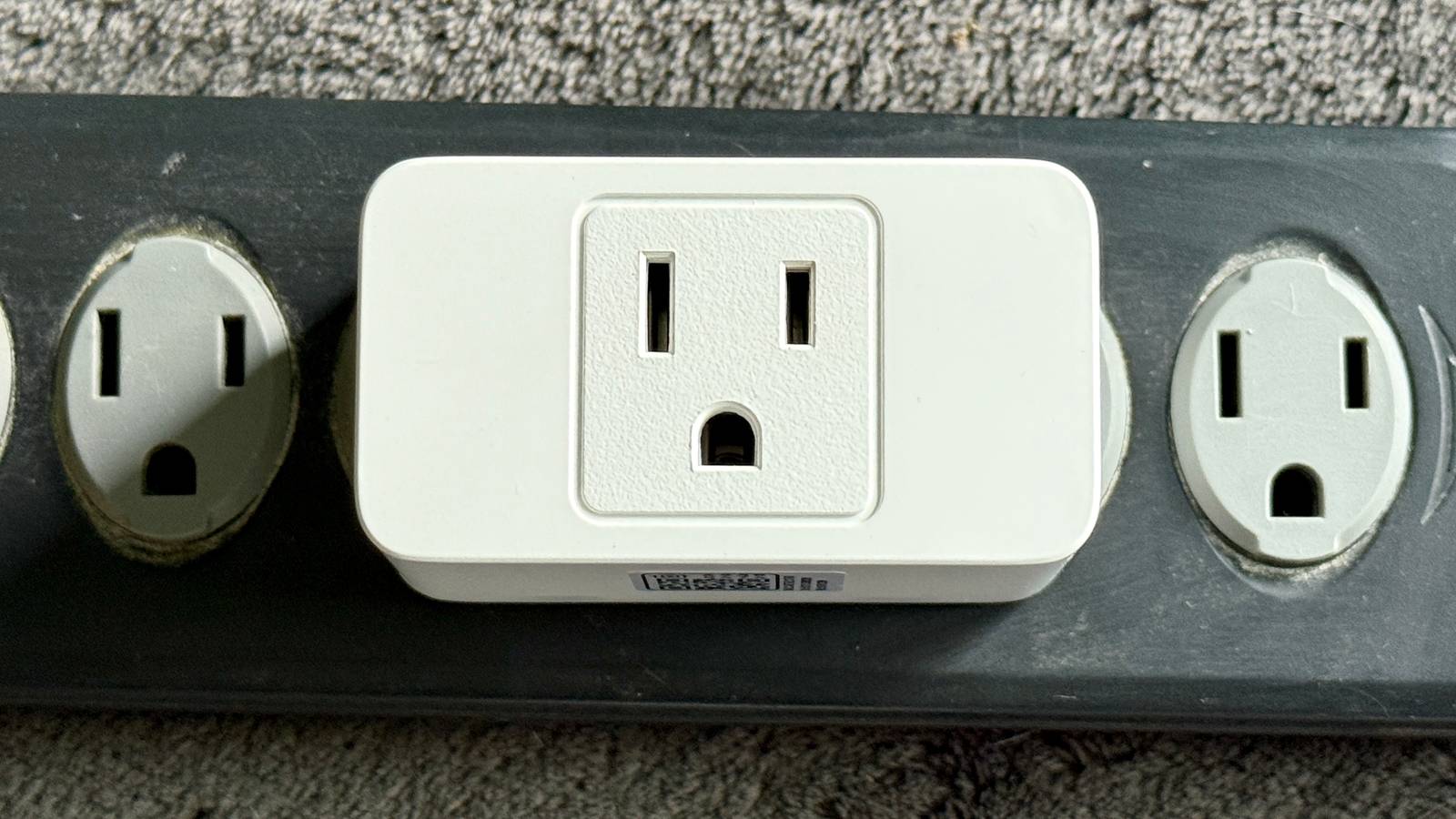
Stop plugging these 5 devices into smart plugs (the dangers are real)
Full Article
Original Source
Read the full article at Howtogeek →KhanList aggregates and links to publicly available news content. We do not host full articles from third-party sources. Always verify important information with original sources.