
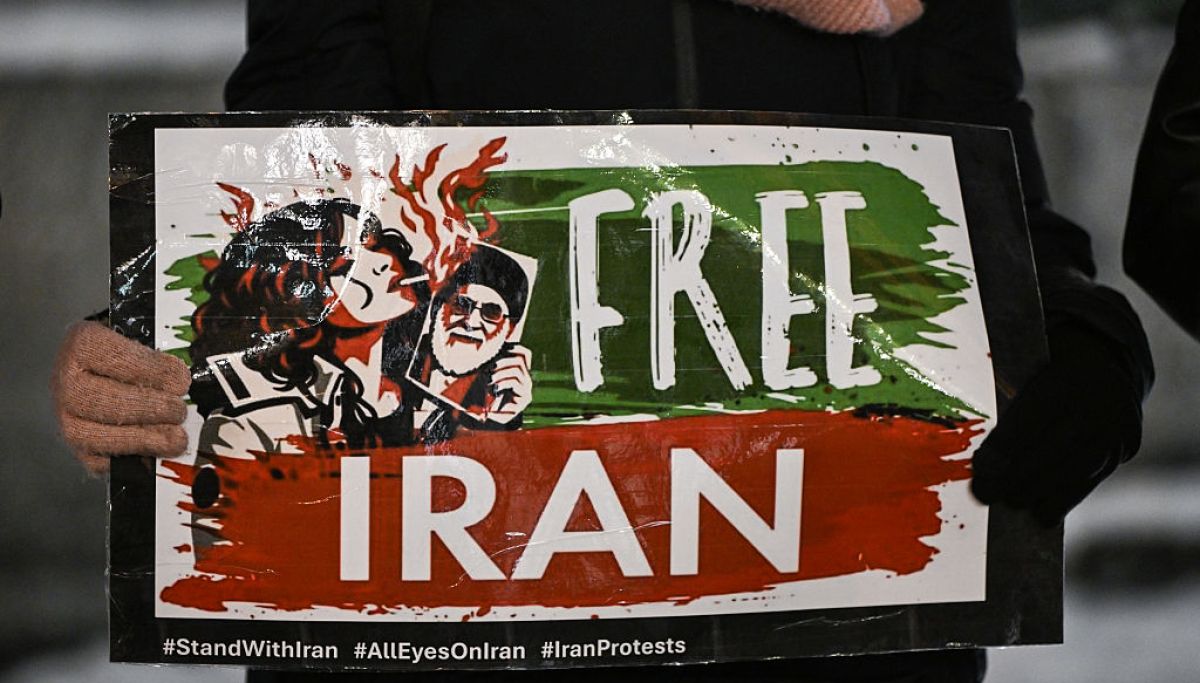
Public frustration over the so-called “forever war” with Iran is growing. To many Americans, the crisis feels like a terminal loop. We see an endless cycle of missile exchanges, disrupted shipping, and diplomatic chess matches. Decades of containment have left voters deeply cynical. A growing chorus of foreign policy skeptics now argues that maximum-pressure tactics have failed. They claim Washington has missed its window to force change in Tehran.This weariness misinterprets the thermodynamics of geopolitical pressure. To understand how long-term conflicts resolve, we must study the mechanics of boiling water.When you place a kettle on a stove, the water does not boil instantly. For a long time, it simply sits there absorbing energy. To an outside observer, it looks like nothing is happening. If you turn the burner down, the water cools. That resets the clock. But if you keep the flame burning steadily, the temperature climbs. It eventually reaches a critical threshold. Suddenly, an unstoppable boil erupts. For years, Western policy toward Iran fluctuated wildly. We turned the heat up with targeted military actions or brief sanctions. Then, we turned it back down in search of fragile ceasefires. We chased short-lived diplomatic concessions. This intermittent cooling repeatedly allowed the regime to stabilize. They caught their breath and reset the pot.Right now, however, the burner is dialed to its maximum setting. The current strategy of squeezing Iran’s economy is doing its job. It is rapidly heating the water.Critics point out that the Islamic Republic has lived under sanctions for decades. They argue that Tehran has mastered the art of running a survival economy. They claim more pressure will yield the same stagnant results. But this line of thinking ignores the severity of today’s economic stranglehold. The current pressure campaign goes far beyond the historical norm. Western nations are physically choking off the regime’s shadow oil fleet. We are cutting energy exports to near zero. We are targeting the third-party banking intermediaries that Tehran relies on to launder cash. These actions have pushed the Iranian economy into uncharted territory.The temperature inside Iran is hitting historic highs. The Iranian rial has lost nearly all its value, destroying what ordinary citizens can afford to buy. The regime has resorted to emergency barter bypasses. They are rationing essential goods just to buy time. More importantly, financial ruin is starving the Islamic Revolutionary Guard Corps. Their regional proxies lack the cash they need to project power.When a state runs out of money, it faces a fatal mathematical dilemma. According to detailed economic forensic tracking from the Foundation for Defense of Democracies, the regime must either starve its own security apparatus or transfer the financial burden onto the public. Tehran is terrified of the latter. They know it will trigger an immediate domestic explosion.We are already seeing the first bubbles break the surface. Recent nationwide labor strikes by energy workers prove that the public’s patience has evaporated. Ongoing street protests tracked by international data monitors show deep public anger among retirees and working-class citizens. The widespread domestic unrest following recent economic shocks demonstrates that the population is ready to boil over. Data published by Business Insider indicates that the country’s domestic misery index has spiked to unprecedented records. The internal fractures within the regime’s cabinet are expanding. Public disputes between state-owned banks show that the political leadership is panicking. They are deeply divided over how to confront this total isolation.The argument that sanctions do not work is flawed. It fails to recognize that we have simply never maintained this degree of heat for long enough. A kettle does not boil at 150 degrees, it does not boil at 200 degrees — it requires a sustained 212 degrees. We have finally reached that peak temperature, especially with the new sanctions just announced this week. If the United States and its allies maintain this absolute economic blockade, the pressure will become structurally unsustainable. We must refuse to offer premature sanctions relief.TRUMP’S BOMBS WEAKENED IRAN’S REGIME. ITS OWN PEOPLE CAN TAKE IT DOWNTo walk away now would be a catastrophic mistake. Lowering the temperature for another weak, temporary diplomatic deal fails our goals. It would allow the water to cool just as it is on the verge of turning.We have not missed the opportunity for a definitive breaking point. We are simply in the critical window right before it happens. Resolving the Iranian conflict does not require an overextended land war. It does not require a retreat into passive defeatism. It requires holding the line. If we keep the heat turned up, economic paralysis and popular fury will cause the regime to fracture from within. The water will boil. We just have to let the stove finish its job.Eric Wargotz, M.D. is a political and policy analyst and commentator, a former U.S. Senate nominee, and former elected President of the Queen Anne’s County Board of Commissioners in Maryland. A Clinical Professor Emeritus at the George Washington University and a judge, he has held leadership roles across government and medicine. The views expressed here are entirely his own.
Stop calling Iran a ‘forever war.’ It’s a pressure cooker about to blow
Full Article
Original Source
Read the full article at Washingtonexaminer →KhanList aggregates and links to publicly available news content. We do not host full articles from third-party sources. Always verify important information with original sources.