
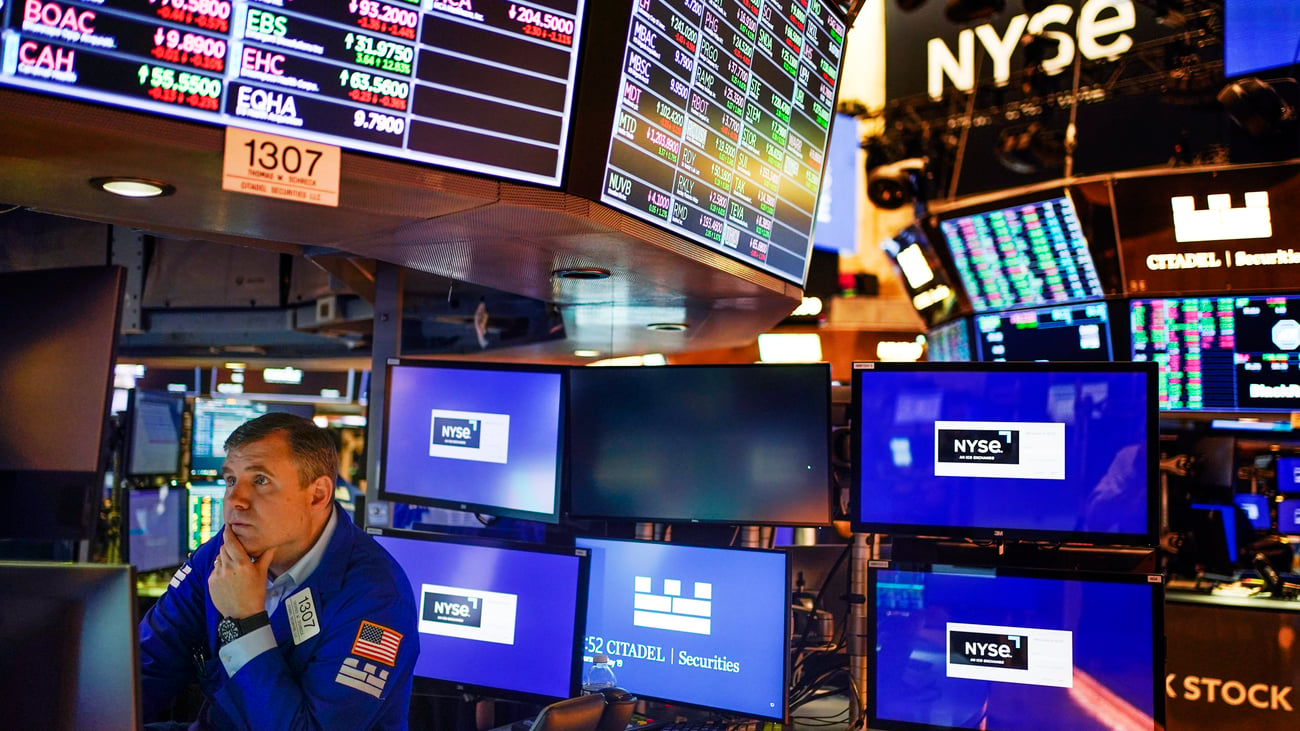
Yields on 30-year Treasury bonds rose to levels not seen since 2007, which caused the Trump administration to double bond buybacks and Wall Street to falter.MANHATTAN (CN) — Wall Street was rattled this week by spikes in Treasury bond yields, brought on by the worrisome trifecta of inflation, artificial intelligence spending, and the ongoing Iran conflict.Early this week, 30-year Treasury yields reached their highest level since 2007. On Wednesday, Treasury Secretary Scott Bessent responded by doubling bond buybacks starting next month from $2 billion to $4 billion.The move briefly lowered yields, but they rose again Thursday as equities plunged. Both recovered Friday, though the Dow Jones Industrial Average lost 454 points for the week, the S&P 500 fell 111 points and the Nasdaq dropped 549 points.Economists worry the Treasury Department’s bond buying could put more pressure on the Federal Reserve to curb inflation. They will closely watch Fed Chair Kevin Warsh’s speech at the annual Jackson Hole Symposium next week.“The [bond buying’s] direct macroeconomic impact should remain limited absent a broader tightening in financial conditions,” Jonas Goltermann, chief markets economist at Capital Economics, wrote in an investor’s note.“But with governments reluctant to pursue meaningful fiscal consolidation and central banks constrained in their response, bond markets will remain vulnerable to renewed bouts of volatility in the quarters ahead,” Goltermann wrote.So far, it seems the Fed is content with holding rates steady, but rate hikes remain a distinct threat, according to minutes released this week from the last Federal Open Market Committee meeting.“Risks to the inflation forecast were seen as skewed to the upside, with the possibility that inflation would prove to be more persistent than the staff anticipated,” the minutes stated, with some participants noting artificial intelligence data centers had registered large price increases.The Fed, which voted 9-3 at its last meeting to hold interest rates at 3.5% to 3.75%, meets again Sept. 15.Investors also got little good news from the Strait of Hormuz. Oil prices rose for a second straight week as U.S.-Iran peace talks stalled and Bessent threatened the “toughest sanctions in history” against Iran.Brent crude rose throughout the week, trading around $94 a barrel at Friday’s close.Other economic data this week indicates manufacturing continues to expand. The Fed’s monthly industrial production index increased by 0.2%, less than expected but still positive.However, analysts chalk up the increase mostly to artificial intelligence. “AI-linked industries continue to power manufacturing, with computer and electronic products posting another robust [month-over-month gain],” Bernard Yaros, lead U.S. economist at Oxford Economics, wrote in an investor’s note, adding that “AI-related spillovers” caused electrical equipment, machinery, and metals also to rise.The Empire State Manufacturing survey out of New York also increased slightly this month, rising to 20.6 from 15.6 in July, but here, too, experts warn the rise is likely still due to ripples from last year’s tariffs and the conflict with Iran.“I still think part of the bounce in manufacturing is the inventory restocking going on, facilitated by the war,” Peter Boockvar, chief investment officer at One Point BFG Wealth Partners, wrote in an investor’s note, pointing to slower deliveries and fewer new orders.Subscribe to our free newslettersOur weekly newsletter Closing Arguments offers the latest about ongoing trials, major litigation and rulings in courthouses around the U.S. and the world, while the monthly Under the Lights dishes the legal dirt from Hollywood, sports, Big Tech and the arts.Additional Reads
Stocks dip, then recover on Treasury bond drama
Full Article
Original Source
Read the full article at Courthousenews →KhanList aggregates and links to publicly available news content. We do not host full articles from third-party sources. Always verify important information with original sources.