
Vikram Subburaj, CEO, Giottus.comBitcoin has travelled a fair distance from its July 1 low of $57,754, gaining nearly 13% to trade around $65,160 on July 27. For investors, the question is whether the recovery has enough demand to continue beyond $68,000. The answer remains uncertain because Bitcoin is still moving within the $64,000-$66,800 range that has contained it through much of the past week.The rally initially had meaningful support from US spot Bitcoin ETFs, which received $999.3 million over 7 consecutive trading sessions between July 14 and July 22. That support weakened just as Bitcoin approached its immediate resistance, with the ETFs losing $225.1 million on July 23 and another $240.1 million on July 24. The final net inflow for the week was therefore only $33.9 million, which helps explain why Bitcoin has struggled to convert its 13% rebound into a decisive breakout.The price levels now offer investors a simple way to judge what comes next. Bitcoin must first move beyond $66,800 and then close convincingly above $68,000, where sellers have repeatedly entered the market. The bigger hurdle lies near $69,000-$69,500, which represents the average acquisition cost of short-term holders and could attract selling from recent buyers waiting to recover their capital. The same framework applies on the downside, with $64,000 serving as the first support for the current recovery.A sustained break below $64,000 could pull Bitcoin towards $62,500-$63,000, while a deeper loss of confidence would bring $60,000 and the $57,754 July low back into consideration. The market is therefore trading within a relatively narrow decision area, with approximately $5,500 separating near-term support from the short-term-holder cost basis.On-chain data shows why the market has not broken down despite weak ETF demand. Around 12.20 million BTC, equivalent to 60.8% of circulating supply, had remained unmoved for more than 1 year by mid-July. A further 3.55 million BTC, or 17.7% of supply, had been held for between 6 and 12 months, suggesting that a large section of the market is prepared to wait through the current weakness. That patience should not be mistaken for a fully repaired market, because only 53% of Bitcoin supply was in profit against a 4-year average of 76%. These readings suggest that long-term holders are absorbing supply, but many investors who entered at higher prices are still carrying losses.The improvement in altcoins has also been selective rather than market-wide. Ethereum was the clear outperformer at approximately $1,945, gaining 3.52% over 24 hours and 3.92% over 7 days. Solana rose 2.27% in 24 hours but remained 0.39% lower for the week. BNB gained 0.53%, XRP rose 0.66%, and TRON added only 0.12%, while Bitcoin retained a dominant market share of 58.6%. The next move may ultimately be decided outside the crypto market, beginning with the US Federal Reserve meeting on July 28-29. Markets were assigning a 36.3% probability to a 25-basis-point increase from the existing 3.50%-3.75% policy range. This makes the decision unusually significant for liquidity-sensitive assets. A rate increase or hawkish guidance could strengthen the dollar and weigh on Bitcoin, while a policy hold could support another attempt at $68,000. Oil will influence that decision because Brent fell 4.7% to $92.19 on July 27 after the US and Iran paused attacks, having previously moved above $100. A sustained decline below $100 would ease inflation concerns, but renewed conflict could quickly restore the pressure on interest rates and risk assets. The July 30 releases of US Q2 GDP and June PCE inflation, followed by the Q2 Employment Cost Index on July 31, will provide the next evidence on that question.Our advice: For investors, the present market does not warrant chasing a 13% rebound or treating every green session as confirmation of a new trend. The recovery becomes stronger above $68,000 and more credible above $69,500, while a fall below $64,000 would indicate that the rebound is losing support. Until one of those levels breaks, staggered purchases and limited leverage offer a more measured approach than making a large directional bet around the July 29 Fed decision.
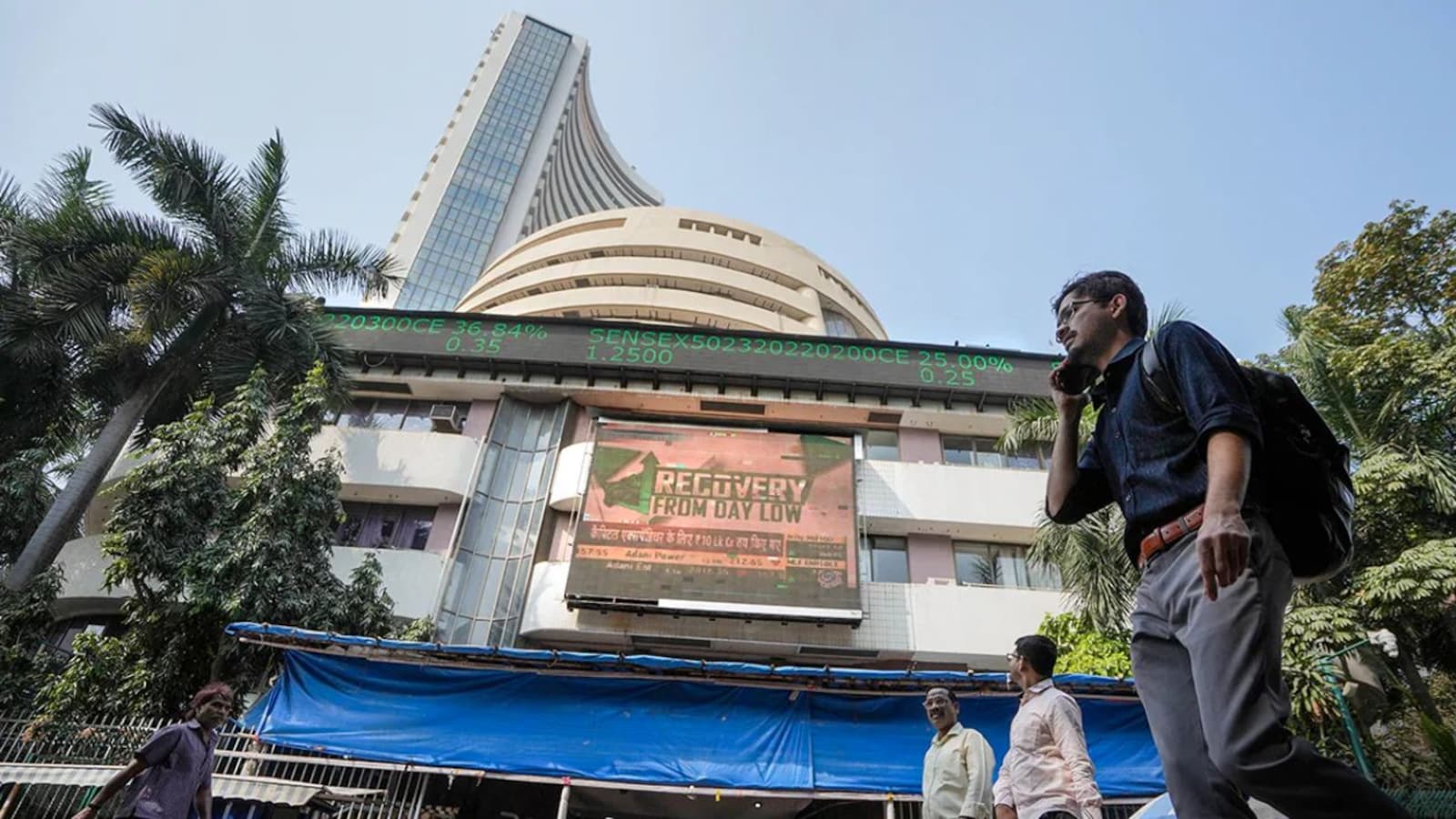
Stock Market LIVE Updates, Sensex Today: Markets Likely To Open In Green As Oil Prices Fall
Full Article
Original Source
Read the full article at Ndtv →KhanList aggregates and links to publicly available news content. We do not host full articles from third-party sources. Always verify important information with original sources.