
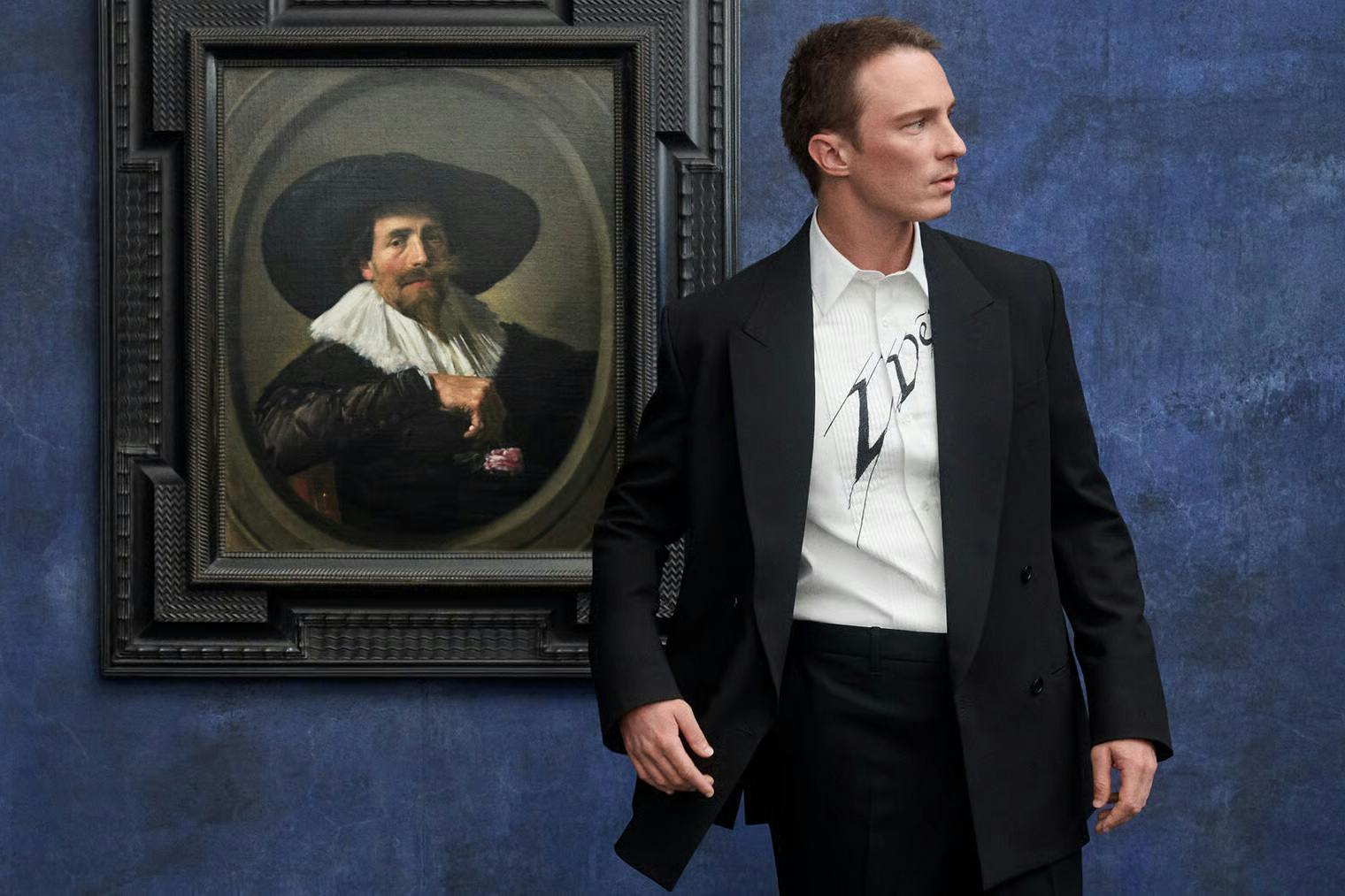
In State of the Art, a column for Highsnobiety, Chris Erik Thomas untangles the crossover between fashion and art.If the 2006 family comedy Night at the Museum taught me anything, it’s that the hallowed halls of great institutions make for one helluva backdrop. Done right, setting something inside a museum can spark major magic and elevate whatever you’re selling, whether it's a Ben Stiller-led cinematic masterpiece or a fashion campaign. Cultural institutions signal taste, and few things feel hotter in the clothing industry right now than tapping into taste. But a museum on its own can only do so much. Visually placing expensive clothing next to historical artifacts or works of art may feel like a shortcut to elevating your product, but if you do it wrong, it risks feeling like set dressing. Your product could end up looking as much like a prop as the art on the walls (and far less valuable). See, succeeding in this business of culturemogging means putting your wares in real dialogue with your surroundings so that the setting drives the narrative instead of just decorating it. Judging by a pair of museum-set Cruise 2027 campaigns, brands have missed the memo. Louis Vuitton’s latest campaign has the luxury house’s womenswear division taking over New York’s Frick Collection for the latest chapter in its multi-year sponsorship deal. (The funding announcement coincided with the May Keith Haring-inspired runway show, which was very squiggly but unfortunately very stale.) Here, the cruise collection is juxtaposed against the museum’s Gilded Age interiors and 19th-century masterworks, but it’s a low-effort approach that just doesn’t gel: One shot shows actress Amiah Miller posed as the central figure in a James McNeill Whistler painting, which is hung just behind her. Very “go girl, give us nothing” of LV. Louis Vuitton, Dior, Louis VuittonOut west, in Dior’s campaign inside the Los Angeles County Museum of Art, the vibe is at least true to Jonathan Anderson. That is, it's very brainy and lore-heavy, to a fault. Jennifer Lawrence, Greta Lee, Taylor Russell and Drew Starkey are all there, attempting to look casual and fake laughing, but weirdly, the stars feel secondary to the Easter eggs only true Anderson fans will catch (and then, inevitably, disseminate on social media): Claude Monet’s Water Lilies references the water lilies from Fall/Winter 2026, while Adriaen Coorte’s Strawberries in a Chinese Porcelain Bowl is a nod to Jean Siméon Chardin’s Basket of Wild Strawberries, which Anderson borrowed from the Louvre for his Dior debut show.Are all these subtle moves clever? Sure, but winking only does so much when the models (and the clothes they’re meant to be selling) feel Airdropped into the shot. It doesn’t have to be this way, really. Some brands have actually understood the assignment, making the setting just as much a character as the cast. Take Noah and PUMA’s literally cheeky 2023 ads, for example. There, models fitted in the sportswear collection are dropped into a fictitious museum, while everyone else, from other patrons to the security staff, is stripped bare. PUMA x Noah, Calvin KleinIt's fun in a way that these more recent ads aren’t, poking fun at the highbrow pretension that cultural institutions can often carry. Though hey, sometimes pretentious works — should you be ballsy enough to lean into that route. When Raf Simons’ first campaign for Calvin Klein was released in 2017, the “American Classics” ads posed models in staple pieces from the brand in front of works by some of the country’s most important artists, like Andy Warhol and Richard Prince — making the point that a pair of CK briefs has the same sway as a Warhol. Each ad even came captioned with notes on the artwork and artist, like a museum placard. Agree or not with the point, but the ads work because the clothes are actually in dialogue with the art, not just placed in front of it. It’s been nearly a decade since the campaign, and the spheres of art and fashion have never felt more overlapped. That doesn’t just mean brands should set up shop inside more museums; it means the industry has never been better positioned to argue the same point Simons made years ago: A good campaign can elevate clothing to pop culture, if only you know how to frame it. Highsnobiety has affiliate marketing partnerships, which means we may receive a commission from your purchase. Want to shop the products our editors actually love? Visit our SHOPPER page and subscribe to the newsletter for recs on all things fashion, footwear, and beauty.
State of the Art: Putting Your Clothes In a Museum Doesn’t Make Them Art
Full Article
Original Source
Read the full article at Highsnobiety →KhanList aggregates and links to publicly available news content. We do not host full articles from third-party sources. Always verify important information with original sources.