
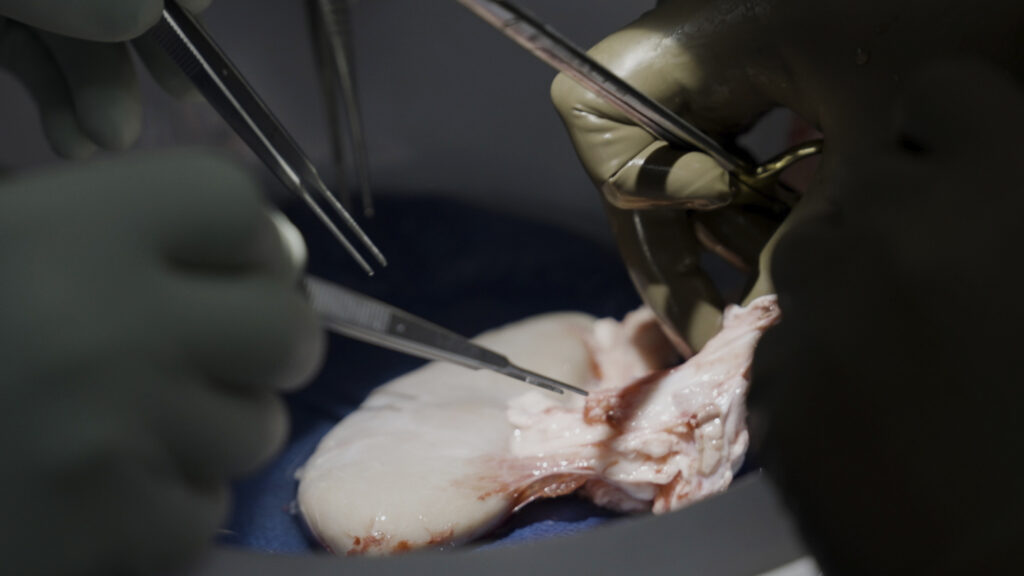
When doctors think about sticking an organ from another animal into a person, one of their many questions is about what might happen after they take that organ out. Would the patient produce antibodies that would complicate a human-to-human transplant later on? The scientists at eGenesis didn’t think so, based on what they saw in primate studies. But now they have confirmation. On Thursday evening, the biotech company — one of a handful racing to develop xenografts, as these interspecies transplants are called — announced that two of its first recipients of genetically engineered pig kidneys have now successfully gotten organs from human donors. It wasn’t a seamless transition. In both cases, doctors removed the xenograft and the patient went back on dialysis for months before a human organ was available. But the fact that the two of them could spend the better part of a year not needing to be hooked up to tubes represented a milestone. The whole project of putting pig kidneys in humans is motivated by the fact that there aren’t enough human organs for everyone who needs them. Many die waiting. STAT+ Exclusive Story Already have an account? Log in This article is exclusive to STAT+ subscribers Unlock this article — plus in-depth analysis, newsletters, premium events, and news alerts. Already have an account? Log in View All Plans To read the rest of this story subscribe to STAT+. Subscribe
STAT+: Recipients of gene-edited pig kidneys successfully receive human organs
Full Article
Original Source
Read the full article at Statnews →KhanList aggregates and links to publicly available news content. We do not host full articles from third-party sources. Always verify important information with original sources.